


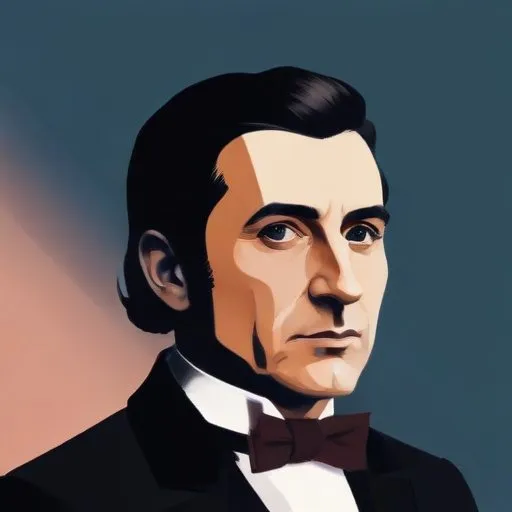
Conductor and composer of operas and orchestral works, known for his contributions to the French Romantic era. His music is characterized by its lyricism and dramatic flair.
As the longest-serving conductor of the Paris Opera, Jean-Baptiste Rey's tenure spanned an impressive period of 34 years, from the tumultuous final days of the monarchy to the dawn of Napoleon's Empire. His remarkable career, which began in 1776 and continued until his passing in 1810, was marked by his profound influence on the development of classical music and his collaborations with some of the most renowned composers of the time.
Born on December 18, 1734, in Lauzerte, France, Rey's early life was marked by a deep passion for music. He honed his skills as a conductor in various theaters across France, including Toulouse, Montpellier, Marseille, Bordeaux, and Nantes, before being called to Paris in 1776 to assist the then-first conductor, Louis-Joseph Francœur.
Rey's appointment as the first conductor of the Paris Opera in 1781 marked the beginning of a golden era for the institution. During his tenure, he conducted performances of masterpieces by Gluck, Piccini, Sacchini, Salieri, Gretry, and Haydn, among others, often collaborating closely with these renowned composers. His exceptional musical acumen and innovative approach to conducting earned him widespread recognition and respect within the music community.
Rey was not only an accomplished conductor but also a talented composer. His opera, Apollon et Coronis, written in collaboration with his brother, cellist Louis-Charles-Joseph Rey, premiered in 1781. Additionally, he composed several other pieces and arrangements, further solidifying his reputation as a multifaceted musician.
In 1799, Rey was appointed to teach harmony at the recently established Conservatoire, where he composed solfeges for the institution. Although his tenure was cut short due to internal dissensions, his legacy continued to shape the music landscape. He was later called upon by Napoleon to join his chapel, where he worked alongside composer Jean-François Le Sueur.
On December 2, 1804, Rey and his assistant, Persuis, conducted two massive orchestras in Notre-Dame Cathedral for Napoleon's imperial coronation. This grand spectacle marked the culmination of Rey's illustrious career, showcasing his unwavering dedication to the art of music.
Jean-Baptiste Rey passed away on July 15, 1810, in Paris, leaving behind a rich legacy that continues to inspire musicians and music lovers to this day. His tireless efforts to promote classical music, his innovative approach to conducting, and his contributions to the development of the Paris Opera have cemented his place as one of the most influential figures in the history of classical music.
Today, Rey's compositions, including his opera Apollon et Coronis, remain a testament to his enduring impact on the world of classical music.
Born in 1803
A French Romantic-era mastermind who composed iconic symphonies, operas, and orchestral works, revolutionizing classical music with his bold, expressive style.
Born in 1811
A virtuosic pianist and composer who revolutionized classical music with his technically demanding and emotionally expressive works, blending Hungarian folk influences with Romantic-era drama.
Born in 1813
A revolutionary composer who transformed opera with his epic, mythological works, creating a new era of musical storytelling. His iconic operas, such as "Der Ring des Nibelungen," continue to captivate audiences worldwide.
Born in 1813
A renowned composer of iconic operas like La Traviata and Aida, known for his masterful blending of drama and music. His works continue to captivate audiences worldwide.
Born in 1818
A French Romantic-era composer and educator, renowned for his operas, particularly "Faust," which remains a staple of the operatic repertoire. His music is characterized by lyricism and dramatic flair.
Born in 1842
A French Romantic composer, renowned for his operas, particularly "Manon" and "Werther", which showcased his mastery of lyricism and dramatic flair.
Born in 1835
A French Romantic-era mastermind who composed iconic works like "The Carnival of the Animals" and "Danse Macabre", leaving an indelible mark on classical music.
Born in 1822
A Belgian organist and composer who created iconic works that blended Romanticism and Impressionism, leaving a lasting impact on classical music.
