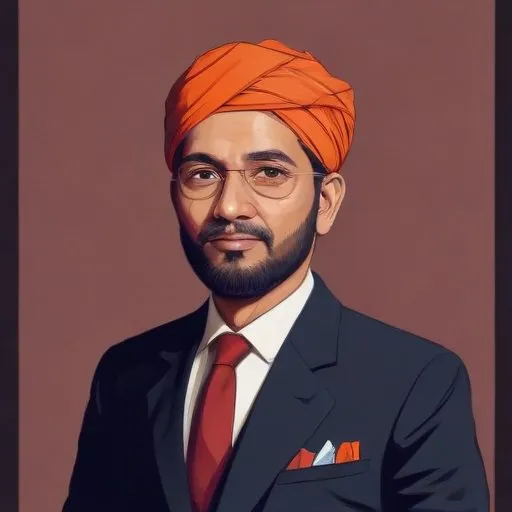
Jivraj Narayan Mehta: The Visionary Leader of Gujarat
A Towering Figure in Indian Politics
Jivraj Narayan Mehta was a stalwart of Indian politics, known for his exceptional leadership and unwavering commitment to the nation's development. As the first Chief Minister of Gujarat, he played a pivotal role in shaping the state's destiny and left an indelible mark on the country's political landscape.
Early Life and Education
Born on August 29, 1887, in Amreli, Bombay Presidency, Mehta was the son of Narayan and Jamakben Mehta. His early life was marked by academic excellence, and he was encouraged by Dr. Eduljee Rustomji Dadachandjee to pursue a career in medicine. Mehta secured admission to the prestigious Grant Medical College and Sir J. J. Hospital, Bombay, and later went on to study in London, where he earned his FRCS and became a member of the Royal College of Physicians of London.
A Medical Pioneer and Freedom Fighter
Mehta's medical expertise led him to become the personal doctor of
Mahatma Gandhi, and he actively participated in the Indian independence movement. His involvement in Gandhi's Satyagraha movement resulted in his incarceration twice, in 1938 and 1942, by the British government.
Political Career and Legacy
After India gained independence, Mehta's political career flourished. He served as the first Dewan (Prime Minister) of the erstwhile Baroda state and later became the Indian High Commissioner to the United Kingdom from 1963 to 1966. As the first Chief Minister of Gujarat, Mehta played a key role in shaping the state's development, focusing on industrial growth, education, and healthcare.
Philosophical Contributions and Beliefs
Mehta's leadership was guided by his strong philosophical beliefs. He was a firm advocate of Gandhian principles and believed in the power of non-violent resistance. His commitment to social justice and equality inspired generations of leaders and citizens alike.
Awards and Honors
Mehta's contributions to the nation were recognized through various awards and honors, including the prestigious Padma Bhushan in 1967.
Personal Milestones and Key Life Events
- Won the university gold medal in his MD examinations in 1914
- President of the Indian Students Association in London
- Personal doctor to Mahatma Gandhi
- Twice incarcerated by the British government for his role in the independence movement
Influence on Modern Society
Mehta's legacy continues to inspire generations of Indians. His commitment to social justice, education, and healthcare has had a lasting impact on Gujarat and the nation as a whole.
Historical Context and Legacy
Jivraj Narayan Mehta's life and achievements serve as a testament to the power of dedication, hard work, and selfless service to the nation. His legacy continues to inspire future generations of leaders and citizens, ensuring that his contributions to India's development remain an integral part of the country's history.
FAQ
What was Jivraj Narayan Mehtas role in Indian politics?
Jivraj Narayan Mehta was an Indian physician and politician who served as the 1st Chief Minister of Gujarat from 1960 to 1963. He was a key figure in the Indian National Congress and played a leading role in the countrys post-independence development.
What were Jivraj Narayan Mehtas key policies as Chief Minister?
Jivraj Narayan Mehtas key policies as Chief Minister of Gujarat focused on promoting economic development, improving education and healthcare, and promoting social welfare. He was a strong advocate for the rights of farmers and workers.
How did Jivraj Narayan Mehta contribute to Indian independence?
Jivraj Narayan Mehta contributed to Indian independence through his involvement in the Indian National Congress and his participation in the freedom struggle. He was a close associate of Mahatma Gandhi and played a key role in the Quit India Movement.
What was Jivraj Narayan Mehtas approach to governance?
Jivraj Narayan Mehtas approach to governance emphasized decentralized decision-making and grassroots empowerment. He believed in the importance of involving local communities in the development process and was a strong advocate for panchayati raj institutions.
What is Jivraj Narayan Mehtas legacy in Indian politics today?
Jivraj Narayan Mehtas legacy in Indian politics today is one of dedicated public service and commitment to social welfare. He is remembered as a pioneering figure in the development of Gujarat and a champion of the rights of ordinary people.