


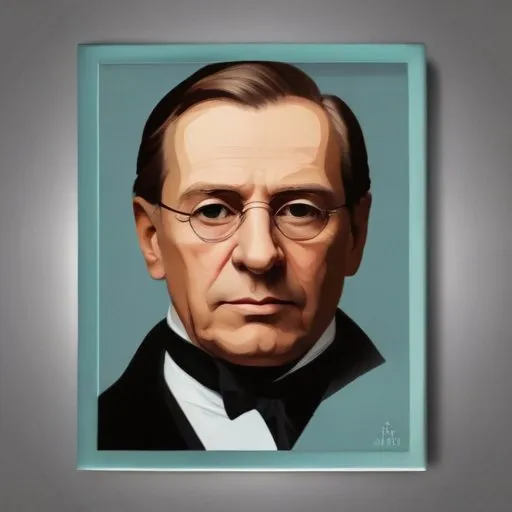
Austrian composer of sacred music, operas, and symphonies, known for his contributions to the development of classical music in the 18th century.
Johann Bernhard Staudt, an Austrian Jesuit composer, is renowned for his prolific contributions to the realm of Jesuit dramas, crafting at least 42 works between 1684 and 1707. His chamber opera, Patientis Christi Memoria, penned in 1685, lay dormant for over three centuries before its revival by Boston College in 2003, showcasing his enduring legacy.
Born on October 23, 1654, in Wiener Neustadt, Staudt was the son of a musician. This familial influence likely sparked his passion for music, which would later propel him to become a prominent composer.
In 1684, Staudt assumed the role of regens chori at the Professhaus of the Jesuits in Vienna, a position he held until 1707. During this period, he composed an impressive array of Jesuit dramas, showcasing his dedication to his faith and craft.
One of his most notable works is the aforementioned Patientis Christi Memoria, which pays tribute to the suffering of Christ. This chamber opera, revived in the 21st century, demonstrates the timelessness of Staudt's music.
In 1698, Staudt composed the music for the Jesuit drama Mulier Fortis, which tells the story of Hosokawa Gracia, a Japanese noblewoman who was baptized by Portuguese missionaries and later forced to commit suicide by her husband. This work exemplifies Staudt's ability to merge his faith with his art, creating a powerful and poignant narrative.
Johann Bernhard Staudt's contributions to the world of music are a testament to his unwavering dedication to his craft and faith. His works, though forgotten for centuries, continue to inspire and captivate audiences today, solidifying his position as a master composer of Jesuit dramas.
Born in 1756
A child prodigy and master of classical music, he composed over 600 works, including symphonies, operas, and chamber music, that continue to inspire and influence musicians today.
Born in 1732
A renowned composer and pianist of the Classical period, known for his symphonies, operas, and chamber music that showcased his innovative and expressive style. He played a significant role in shaping the Classical music era.
Born in 1770
A musical genius who expanded the possibilities of classical music, creating iconic symphonies and piano sonatas that continue to inspire and influence generations of artists.
Born in 1797
A renowned composer of symphonies, operas, and chamber music, particularly famous for his emotional and expressive lieder (art songs) that showcased his mastery of melody and harmony.
Born in 1750
A renowned 18th-century composer and conductor, known for his operas and rivalry with Mozart, as depicted in the movie Amadeus.
Born in 1714
A pioneering opera composer who revolutionized the art form with his innovative and expressive works, blending music and drama in a way that captivated audiences.
Born in 1782
A virtuosic violinist and composer who revolutionized the instrument's technical possibilities, leaving an indelible mark on classical music.
Born in 1755
A virtuosic violinist and prolific composer, he wrote over 30 violin concertos and influenced the development of the classical violin concerto. His music is still performed and admired today.
