


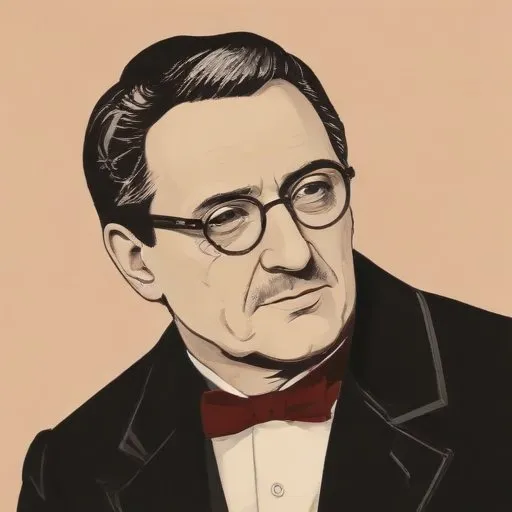
A renowned Baroque composer, he wrote sacred music, motets, and hymns, and was a prominent figure in the development of the German Protestant church music tradition.
Johann Hermann Schein was a renowned German composer of the early Baroque era, best known for importing Italian stylistic innovations into German music and being one of the most polished composers of his time. As the Thomaskantor in Leipzig from 1615 to 1630, Schein played a significant role in shaping the musical landscape of his era.
Born on January 20, 1586, in Grünhain, Schein's early life was marked by tragedy when his father passed away. He then moved to Dresden, where he joined the choir of the Elector of Saxony as a boy soprano. Under the guidance of Rogier Michael, the Kapellmeister, Schein received a thorough musical training that recognized his extraordinary talent.
Schein's educational pursuits took him to Pforta from 1603 to 1607 and later to the University of Leipzig from 1608 to 1612, where he studied law and liberal arts. Upon graduating, he was employed briefly by Gottfried von Wolffersdorff as the house music director and tutor to his children.
Schein's career took a significant turn when he became Kapellmeister at Weimar, and shortly after, he assumed the prestigious role of Thomaskantor in Leipzig, a position he held until his untimely death. As Thomaskantor, Schein was responsible for directing the Thomanerchor, a renowned boys' choir, and music director at the Thomasschule zu Leipzig.
Schein was one of the first German composers to absorb the innovations of the Italian Baroque, including monody, the concertato style, and figured bass. He effectively incorporated these styles into a German Lutheran context, making his music truly unique. His early concertato music was modeled on Lodovico Grossi da Viadana's Cento concerti ecclesiastici, which were available in a German edition.
Despite his remarkable musical achievements, Schein's life was marked by personal struggles. His wife died in childbirth, and four of his five children died in infancy. Schein himself suffered from poor health, including tuberculosis, gout, scurvy, and a kidney disorder, which ultimately led to his untimely death at the age of 44.
Despite his short-lived life, Schein's musical legacy continues to inspire and influence generations of composers and music lovers. His innovative approach to combining Italian and German musical styles has left an indelible mark on the world of classical music.
Schein's music continues to be performed and admired today, with many of his works remaining an integral part of the classical music repertoire. His innovative approach to music has inspired countless composers, including prominent figures such as Johann Sebastian Bach, who was heavily influenced by Schein's work.
In conclusion, Johann Hermann Schein's remarkable life and legacy serve as a testament to his pioneering spirit and innovative approach to music. As a composer, he played a significant role in shaping the course of classical music, and his contributions continue to resonate with audiences today.
Born in 1585
A renowned Baroque composer and organist, known for his contributions to the development of the oratorio and passion genres, creating over 500 works that showcased his mastery of choral music.
Born in 1685
A master of Baroque music, he composed over 1,000 works, including orchestral suites, cantatas, and passions, that still inspire and influence musicians today. His innovative use of counterpoint and harmony raised the bar for classical music.
Born in 1685
A renowned Baroque composer and organist, famous for creating majestic orchestral suites, operas, and oratorios, including the iconic "Messiah" masterpiece.
Born in 1659
A renowned Baroque composer, known for his iconic opera "Dido and Aeneas" and contributions to English classical music.
Born in 1567
A Baroque music pioneer who revolutionized the opera and sacred music genres with innovative harmonies and orchestration, leaving an indelible mark on classical music.
Born in 1678
A virtuosic violinist and prolific composer, he crafted over 400 concertos, including "The Four Seasons," which remains a beloved and iconic masterpiece of classical music.
Born in 1583
A renowned English organist and composer of the late Renaissance and early Baroque periods, known for his sacred choral music and madrigals. His works are still widely performed today.
Born in 1587
A renowned Baroque-era musician and teacher, known for his influential compositions and contributions to the development of the organ concerto.
