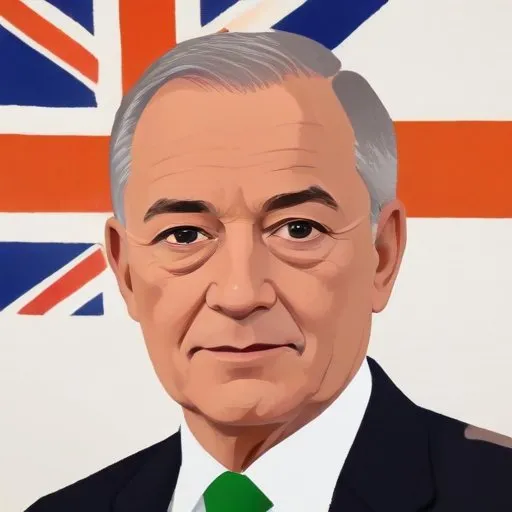
John Ballance: The Visionary Premier of New Zealand
A Champion of Liberalism and Land Reform
John Ballance, the 14th Premier of New Zealand, is best remembered for founding the country's first organized political party, the Liberal Party, and leading it to its first election victory in 1890. As a Georgist, Ballance was a strong advocate for land reform, which shaped his political ideology and policies.
Early Life and Influences
Born on March 27, 1839, in Glenavy, County Antrim, Ireland, Ballance was the eldest son of Samuel Ballance, a tenant farmer, and Mary McNiece. His parents' diverse political leanings – his father was conservative, while his mother was liberal – exposed him to different ideologies and sparked his interest in politics. Ballance's mother, in particular, played a significant role in shaping his liberal views.
Literary Interests and Secularism
Ballance was an avid reader and developed a strong interest in literature. He was also drawn to secularism, which was reinforced by his experience of religious rioting in Belfast. This led him to advocate for the separation of church and state, a principle that guided his political career.
New Zealand and the Liberal Party
In 1866, Ballance migrated to New Zealand with his wife, where they settled in Wanganui. He founded the
Wanganui Herald, a newspaper that became his platform for expressing liberal views. Ballance's editorial stances often landed him in controversy, including his criticism of the government's handling of the Titokowaru campaign, which led to his dismissal from the volunteer cavalry troop.
Land Reform and Georgist Principles
Ballance's advocacy for land reform was rooted in his Georgist beliefs, which emphasized the importance of taxation on land values rather than on labor or capital. This ideology shaped his policies, including the extension of voting rights to women and the abolition of plural voting. Although his land reform measures came at a significant cost to the Māori population, Ballance remained committed to his vision of a more equal society.
Legacy and Historical Context
John Ballance's premiership was marked by significant reforms, including the establishment of the Liberal Party, the extension of voting rights, and land reform. His leadership paved the way for modern New Zealand politics, earning him a place in the country's history as a champion of liberalism and social reform.
Comparative Analysis with Contemporaries
Ballance's political ideology and reforms can be compared to those of his contemporaries, such as
Richard Seddon, who succeeded him as Premier. While both leaders shared similar goals, Ballance's commitment to Georgist principles and land reform set him apart from his peers.
Personal Milestones and Key Life Events
- March 27, 1839: Born in Glenavy, County Antrim, Ireland
- 1866: Migrated to New Zealand with his wife
- 1867: Founded the Wanganui Herald newspaper
- 1890: Led the Liberal Party to its first election victory
- January 1891: Became the 14th Premier of New Zealand
- April 27, 1893: Died in office
Quotes and Memorable Sayings
- "The land is the people's, and the people's is the land."
- "It is not the capitalist, but the community, that should own the land."
By examining John Ballance's life and legacy, we gain insight into the complexities of New Zealand's early political history and the enduring impact of his reforms on the country's development.
FAQ
What was John Ballances role in New Zealand politics?
John Ballance was a prominent New Zealand politician who served as the 14th Prime Minister of New Zealand from 1891 to 1893. He was a key figure in the liberal movement and played a significant role in shaping the countrys social and economic policies.
What were John Ballances key policies as Prime Minister?
Ballances key policies as Prime Minister included the introduction of old-age pensions, the establishment of a state-backed insurance scheme, and the promotion of land reform. He also implemented a range of social and economic reforms aimed at reducing poverty and inequality.
How did John Ballances government impact New Zealand society?
Ballances government had a profound impact on New Zealand society, introducing a range of reforms that improved the lives of ordinary people. His policies helped to reduce poverty, increase access to education and healthcare, and promote social justice.
What was John Ballances approach to indigenous affairs?
Ballances approach to indigenous affairs was marked by a commitment to reconciliation and justice. He worked to address the grievances of the Māori people and implemented policies aimed at promoting their social and economic development.
What is John Ballances legacy in New Zealand history?
John Ballances legacy in New Zealand history lies in his commitment to social justice and his role in shaping the countrys social and economic policies. He is remembered as a pioneering figure who worked tirelessly to improve the lives of ordinary New Zealanders.