


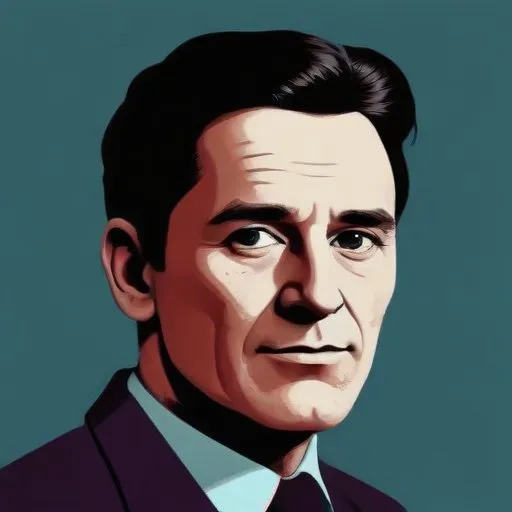
A renowned composer and educator, he made significant contributions to New Zealand's music scene, shaping the country's musical identity through his works and teaching.
Renowned New Zealand composer and professor of music, John Ritchie, left an indelible mark on the world of classical music. With a career spanning over four decades, he was instrumental in shaping the country's musical landscape, leaving behind a rich legacy that continues to inspire generations of musicians and music lovers alike.
Born on September 29, 1921, in Wellington, New Zealand, Ritchie's fascination with music began at a young age. He pursued his passion at the University of Otago, graduating with a Diploma of Music in 1943 and a MusB the following year. Later, he honed his skills with postgraduate study under the tutelage of Walter Piston at Harvard University between 1956 and 1957.
Ritchie's compositional output was diverse and prolific, encompassing works for choir, instrumental ensemble, brass band, and orchestra. His most notable achievement was the establishment of the John Ritchie String Orchestra in 1958, which eventually evolved into the Christchurch Symphony Orchestra. He also served as the director of music for the 1974 British Commonwealth Games in Christchurch and the 1986 visit of Pope John Paul II to New Zealand.
In 1946, Ritchie joined Canterbury University College (now the University of Canterbury) as a junior lecturer in music, rising through the ranks to become head of department and professor in 1962. He later served as dean of the Faculty of Music and Fine Arts and deputy vice-chancellor of the university between 1977 and 1980. Upon his retirement in 1985, he was granted the title of professor emeritus.
Ritchie's contributions to music were recognized with several prestigious awards and honors. He was elected an individual member of the International Music Council in 1981 and received the Composers Association of New Zealand Citation for service to New Zealand music in 1992. Additionally, he was an honorary life member of the International Society for Music Education and received an honorary MusD from the University of Canterbury in 2000.
During World War II, Ritchie served as a sublieutenant in the Royal New Zealand Naval Volunteer Reserve and flew with the Fleet Air Arm as a pilot. He was also a talented clarinetist and father to composer Anthony Ritchie. Ritchie passed away on his 93rd birthday, September 29, 2014, in Christchurch, leaving behind a legacy that continues to inspire and influence the world of music.
John Ritchie's life's work was a testament to his passion for music and his dedication to nurturing the next generation of musicians. His contributions to New Zealand's musical landscape have been profound, and his legacy continues to resonate through the many lives he touched and the music he created. As a composer, educator, and administrator, Ritchie's impact on the world of classical music is immeasurable, and his memory will continue to inspire future generations of music lovers.
Born in 1905
A British composer, conductor, and educator, renowned for his symphonies and film scores, including the iconic music for the 1950s and 1960s Hammer horror films.
Born in 1864
A renowned composer and conductor of the late Romantic era, known for his tone poems and operas that showcased his mastery of orchestration and expressive storytelling.
Born in 1862
A pioneering composer of the early 20th century, known for his impressionistic and expressive works that evoke a sense of nature and the human experience. His music is characterized by lush harmonies and orchestration.
Born in 1872
A renowned composer and educator, he's celebrated for his symphonies and folk-song inspired works that evoke a sense of English heritage and nostalgia. His music is a testament to his love for his homeland's cultural roots.
