


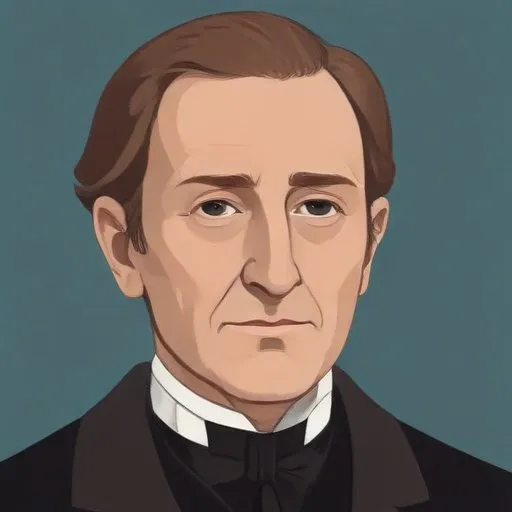
A British composer, conductor, and educator, renowned for his symphonies and film scores, including the iconic music for the 1950s and 1960s Hammer horror films.
William Alwyn, born William Alwyn Smith, was an English composer, conductor, and music teacher who left an indelible mark on the world of music. With a career spanning over five decades, he was a virtuoso flautist, a prolific composer, and a dedicated teacher, making significant contributions to the music fraternity.
Alwyn was born on November 7, 1905, in Northampton, England, to Ada Tyler Tompkins and William James Smith. He showed an early interest in music and began learning to play the piccolo at a young age. At 15, he entered the Royal Academy of Music in London, where he studied flute, piano, and composition, laying the foundation for his future accomplishments.
Alwyn's multifaceted career saw him hold various positions, including professor of composition at the Royal Academy of Music from 1926 to 1955. He was also a talented flautist and performed with the London Symphony Orchestra for a time. As a composer, he wrote over 70 film scores between 1941 and 1962, including classics like Green for Danger, Odd Man Out, and The Crimson Pirate.
As a composer, conductor, and teacher, Alwyn believed in the importance of nurturing talent and promoting new music. He was an advocate for the rights of composers and worked tirelessly to protect their interests through his involvement with organizations like the Mechanical Copyright Protection Society and the Performing Right Society.
William Alwyn's contributions to music have had a lasting impact on the industry. His film scores continue to be celebrated for their elegance and emotional depth, while his operas and concertos remain a testament to his mastery of diverse musical genres. His legacy extends beyond his compositions, inspiring generations of musicians and composers to follow in his footsteps.
Throughout his life, Alwyn was known for his kindness, humility, and dedication to his craft. He remained committed to his passion for music, even in the face of personal challenges, and continued to compose until his passing on September 11, 1985, leaving behind a rich legacy that continues to inspire and delight audiences today.
Born in 1913
A renowned musician who masterfully blended classical and opera styles, creating iconic works like "Peter Grimes" and "The Young Person's Guide to the Orchestra".
Born in 1905
A renowned composer and conductor, known for blending modernist and romantic elements in his works, creating a unique and expressive sound. His operas and symphonies are highly acclaimed for their lyricism and dramatic intensity.
Born in 1874
A renowned composer and educator, best known for his orchestral suite "The Planets", which evokes a sense of cosmic wonder and exploration. His music is a staple of classical repertoire, still widely performed today.
Born in 1872
A renowned composer and educator, he's celebrated for his symphonies and folk-song inspired works that evoke a sense of English heritage and nostalgia. His music is a testament to his love for his homeland's cultural roots.
Born in 1857
A renowned composer and educator, best known for his iconic orchestral works, including the majestic "Pomp and Circumstance" march, which is a staple at graduations worldwide.
Born in 1902
A renowned composer of orchestral and choral works, particularly famous for his iconic score for Laurence Olivier's 1944 film "Henry V" and his ceremonial music for British coronations.
Born in 1914
A prolific actor and director, known for his rugged, versatile performances in film and television, often playing cowboys and authority figures.
Born in 1883
A celebrated composer and poet, he crafted symphonies, concertos, and tone poems that showcased his mastery of orchestration and poetic flair. His works evoke a sense of mysticism and Celtic mythology.
