


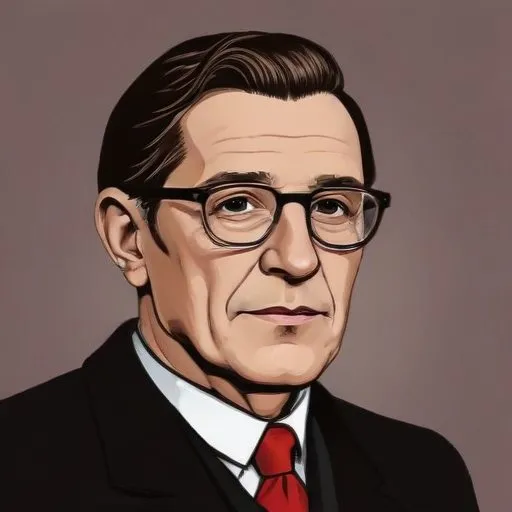
A Shaker elder and musician who wrote the iconic song "Simple Gifts", a timeless melody still widely used today in various genres and adaptations.
Joseph Brackett, a name synonymous with the hauntingly beautiful tune, "Simple Gifts," is widely recognized as one of the most influential American songwriters of the 19th century. Born on May 6, 1797, Brackett's melodic legacy continues to reverberate through the corridors of time, captivating audiences across the globe with its timeless charm.
Brackett's life was deeply intertwined with the United Society of Believers in Christ's Second Appearing, commonly known as the Shakers. At the tender age of 10, he underwent a name change to Joseph, emulating his father's name, as the Brackett family joined a Shaker community in Gorham, Maine. This transformative experience set the stage for a life dedicated to the Shaker principles of simplicity, humility, and creativity.
Brackett's father passed away on July 27, 1838, but the young Shaker continued to rise through the ranks, eventually becoming the head of the Maine Shaker community. His leadership and creative prowess earned him a revered position within the society, paving the way for his most lasting contribution to the world of music.
In 1848, Brackett penned the iconic "Simple Gifts," a Shaker dancing song that would go on to become an internationally beloved tune. The song's origins are shrouded in mystery, with two conflicting narratives attributing its composition to either Brackett or a Negro spirit. However, the majority of Shaker accounts credit Brackett as the song's creator.
For decades, "Simple Gifts" remained largely unknown outside Shaker communities until Aaron Copland's 1944 composition, Appalachian Spring, brought the melody to the forefront of American music. The song's popularity soared further with the addition of Sydney Carter's lyrics, "Lord of the Dance," in 1963. Today, "Simple Gifts" is a testament to Brackett's enduring legacy, transcending generations and musical genres.
Born in 1748
A Quaker minister and theologian who advocated for the abolition of slavery and women's rights, and is known for his role in the Hicksite-Orthodox Quaker schism.
Born in 1720
A pioneering Quaker abolitionist, he passionately advocated for the emancipation of slaves and equal rights, leaving a lasting impact on American social justice.
Born in 1793
A pioneering Quaker minister and women's rights activist who fought for abolition and women's suffrage, playing a key role in the Seneca Falls Convention.
Born in 1820
Pioneering figure in the women's suffrage movement, fighting for women's right to vote and own property. Her tireless efforts led to significant advancements in women's rights.
Born in 1815
Pioneering women's rights activist who led the women's suffrage movement, fighting for women's right to vote and own property.
Born in 1805
Founded an influential abolitionist newspaper, The Liberator, to advocate for the immediate emancipation of slaves. Known for his radical and uncompromising stance against slavery.
Born in 1803
A pioneering abolitionist who wrote influential books and lectured extensively to end slavery, shaping public opinion and inspiring social change.
Born in 1802
A pioneering writer and abolitionist who penned influential works on social justice and women's rights, leaving a lasting impact on American literature and social reform.
