Joseph Plateau: The Father of Cinematic Illusions
The Phenakistiscope and the Birth of Motion Pictures
Joseph Plateau, a Belgian physicist and mathematician, is renowned for his groundbreaking invention of the phenakistiscope, a device that revolutionized the concept of motion pictures. In 1832, Plateau created this innovative device that could display the illusion of a moving image, captivating audiences and laying the foundation for the development of modern cinema.
Early Life and Education
Born on October 14, 1801, in Brussels, Plateau was the son of Antoine Plateau, a talented flower painter. The young Plateau demonstrated exceptional intellectual abilities from an early age, becoming a child prodigy by learning to read at the age of six. This precocious talent was further nurtured during his school days, where he was fascinated by physics and vowed to uncover its secrets.
Academic Pursuits and Contributions
Plateau pursued higher education at the State University of Lige, where he graduated as a doctor. His academic career was marked by a passion for research and experimentation, particularly in the fields of physics and mathematics. His work on the persistence of luminous impressions on the retina led him to perform a daring experiment, gazing directly into the Sun for 25 seconds. Although this experiment ultimately led to his loss of eyesight, it demonstrated his unwavering dedication to scientific inquiry.
The Phenakistiscope: A Revolutionary Innovation
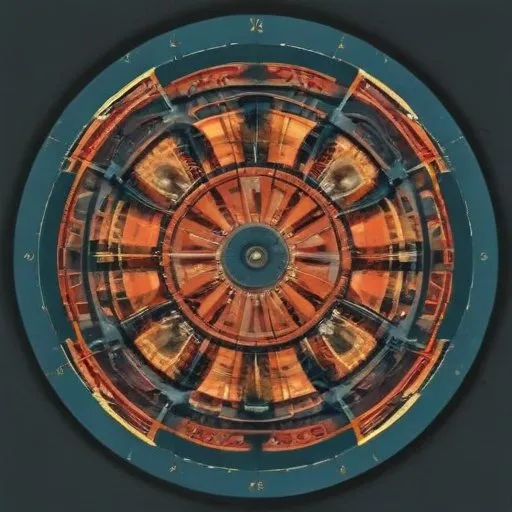
The phenakistiscope, Plateau's most notable invention, consisted of counterrotating disks with repeating drawn images in small increments of motion on one and regularly spaced slits in the other. This device created the illusion of a moving image, mesmerizing audiences and paving the way for the development of motion pictures. The phenakistiscope's impact was profound, influencing the work of later inventors and filmmakers.
Personal Life and Milestones
Plateau married Augustine-Threse-Aime-Fanny Clavareau on August 27, 1840, and they had a son a year later. His daughter, Alice Plateau, married Gustave Van der Mensbrugghe, who later became his collaborator and first biographer. Plateau's personal life was marked by both triumph and tragedy, including the loss of his parents at a young age and his subsequent struggles with health issues.
Honors and Legacy
In recognition of his contributions to science, Plateau became a foreign member of the Royal Netherlands Academy of Arts and Sciences in 1872. His legacy extends far beyond his invention of the phenakistiscope, influencing the development of motion pictures and inspiring future generations of scientists and filmmakers.
Trivia and Fun Facts
- Plateau's phenakistiscope was initially met with skepticism, but its popularity soon grew, leading to its widespread use in entertainment and education.
- He was a prolific writer, publishing numerous papers on physics, mathematics, and optics.
- Plateau's loss of eyesight did not deter him from continuing his research, relying on his collaborators and students to assist him.
Impact on Modern Society
Joseph Plateau's invention of the phenakistiscope has had a profound impact on modern society. The development of motion pictures has transformed the entertainment industry, revolutionized advertising, and influenced the way we consume information. Plateau's pioneering work has also inspired countless scientists, inventors, and filmmakers, shaping the course of cinematic history.
FAQ
What was Joseph Plateaus major discovery?
Joseph Plateau was a Belgian physicist and academic who discovered the principle of persistence of vision, which led to the development of motion pictures and animation.
How did Joseph Plateau create the Phenakistoscope?
Joseph Plateau created the Phenakistoscope, an early animation device, by using a spinning disk with slits and a series of drawings, which, when viewed through the slits, created the illusion of motion.
What was Joseph Plateaus role in the development of photography?
Joseph Plateau was a pioneer in the development of photography, experimenting with early photographic techniques and publishing several papers on the subject.
Who was Joseph Plateaus mentor?
Joseph Plateau was mentored by the Belgian physicist and chemist Adolphe Quetelet, who recognized Plateaus talents and encouraged his research.
What legacy did Joseph Plateau leave in the field of physics?
Joseph Plateaus legacy in the field of physics is marked by his groundbreaking work on the principle of persistence of vision and his contributions to the development of motion pictures and animation.