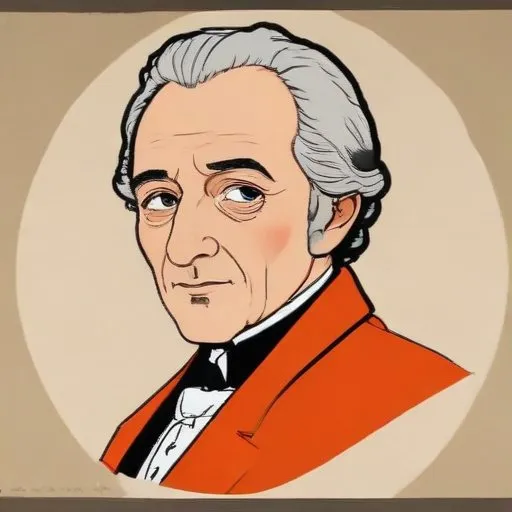
Jules Lematre: The Critic Who Shaped French Literary Culture
The Literary Connoisseur
Jules Lematre was a renowned French critic and dramatist, celebrated for his astute literary analyses and biting wit. He is best known for his meticulous critiques of contemporary authors, which appeared in his comprehensive series,
Les Contemporains, a testament to his razor-sharp insight and profound understanding of the literary landscape.
Rise to Prominence
Born on April 27, 1853, in Vennecy, Loiret, Lematre's intellectual prowess was evident from an early age. He became a professor at the University of Grenoble in 1883, but his true calling lay in literary criticism. In 1884, he resigned from academia to focus on writing, subsequently becoming the drama critic for the
Journal des Débats and later, the
Revue des Deux Mondes.
A Life of Letters
Lematre's literary enterprises were remarkable for their scope and depth. His
Impressions de Théâtre, a collection of dramatic feuilletons, showcased his keen observations and clever wordplay. His writings reverberated throughout the French literary circle, influencing the likes of Maurice Barrès and Charles Maurras.
Political Views and Nationalist Campaigns
Lematre's political leanings were shaped by his involvement with the
Ligue de la Patrie Française, a nationalist movement founded in 1898. Alongside notable figures like Louis Dausset, Gabriel Syveton, and Henri Vaugeois, Lematre campaigned against what he perceived as internationalist and pacifist ideologies. His lectures, later published as
La Campagne Nationaliste (1902), reflected his strong nationalist sentiments. Although he eventually resigned from the
Ligue in 1904, his writings continued to reflect his commitment to French cultural identity.
A Legacy of Insight and Wit
Lematre's impact on French literary culture is undeniable. His elegant prose, peppered with witty asides, continues to delight readers today. His commitment to promoting French literature and culture earned him a place in the French Academy in 1896, a testament to his enduring influence.
Quotations and Memorable Sayings
- "There are a thousand ways of seeing the same object."
- "The body has a character as complex and as difficult to comprehend as the moral."
These quotes, a glimpse into Lematre's sagacity, convey the breadth of his intellectual curiosity and literary prowess.
A Life in Writing
Lematre's dedication to literature was unwavering, even in the face of adversity. He continued to write until his death on August 4, 1914, in Tavers, leaving behind a rich legacy of critical essays, dramatic works, and literary reflections. His is a story of passion, wit, and an unrelenting commitment to the world of letters.
FAQ
What was Jules Lemaîtres contribution to French literature?
Jules Lemaître was a French playwright and critic who made significant contributions to French literature. He was a prominent figure in the Parisian literary scene and wrote numerous plays, novels, and essays.
What were Jules Lemaîtres views on literature and art?
Jules Lemaître was a strong advocate for the importance of literature and art in French culture. He believed that art should be a reflection of life and society, and that it should seek to inspire and educate.
What were Jules Lemaîtres relationships with other French writers and intellectuals?
Jules Lemaître was part of a circle of French writers and intellectuals, including Émile Zola, Guy de Maupassant, and Stéphane Mallarmé. He was known for his witty critiques and his ability to spark lively debates.
How did Jules Lemaîtres work reflect the cultural and intellectual trends of his time?
Jules Lemaîtres work reflected the cultural and intellectual trends of his time, including the rise of realism, naturalism, and symbolism. He was influenced by the works of Gustave Flaubert and Charles Baudelaire, among others.
What are some interesting facts about Jules Lemaîtres life?
Jules Lemaître was born in 1853 in Vennecy, France. He studied law and literature before devoting himself to writing. He was elected to the French Academy in 1895 and died in 1914 at the age of 61.