


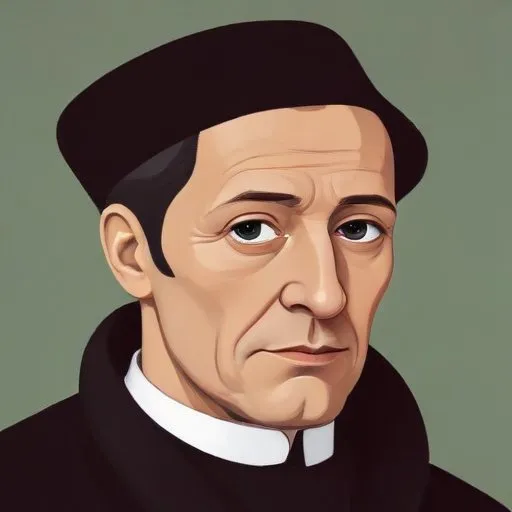
A German-Dutch composer who blended Romantic and Impressionist styles, creating a unique sound that resonated with audiences. He's most known for his chamber music and symphonies.
Julius Rntgen was a renowned German-Dutch composer of classical music, known for his captivating symphonies and piano concertos that echoed the souls of Liszt, Brahms, and Grieg. Born on May 9, 1855, in Leipzig, Germany, Rntgen's life was immersed in music, destined to become a master of the art form.
Rntgen's family was a hub of musical talent, with his father, Engelbert Rntgen, being the first violinist in the Gewandhaus orchestra in Leipzig, and his mother, Pauline Klengel, a skilled pianist. His aunt, Julius Klengel, was a celebrated cellist. Rntgen's early education was unconventional, with private tutors teaching him subjects other than music, which was instructed by his parents and grandparents.
At the tender age of 14, Rntgen's talent was recognized by Carl Reinecke, the director of the Gewandhaus orchestra, who became his first piano teacher. This marked the beginning of a lifelong journey, influenced by the likes of Robert Schumann, Franz Liszt, and Johannes Brahms.
In 1870, Rntgen visited Liszt in Weimar, playing piano for the maestro and earning an invitation to a soiree at Liszt's house. This encounter cemented a lifelong friendship between Rntgen and Liszt. In Leipzig, Rntgen's family was part of the musical circle surrounding Heinrich von Herzogenberg, where he first met Brahms.
At 18, Rntgen embarked on a professional career as a pianist, performing in concerts across southern Germany. During this period, he met Julius Stockhausen, a singer, and Amanda Maier, a Swedish music student, whom he would later marry in 1880.
In 1877, Rntgen faced a crucial decision: to pursue music in Vienna or Amsterdam. He chose Amsterdam, becoming a piano teacher in the city's music school. Alexander de Savornin Lohman, a prominent figure in Amsterdam's cultural scene, took Rntgen under his wing, recognizing his talent and potential.
Rntgen's compositional repertoire includes symphonies, piano concertos, chamber music, and songs, showcasing his mastery of classical music. His works are characterized by their melodic beauty, technical craftsmanship, and emotional depth.
Rntgen's legacy extends beyond his music, inspiring generations of composers and musicians. His friendship with Liszt, Brahms, and Grieg placed him at the heart of the classical music scene, allowing him to contribute to the evolution of the genre.
Rntgen's music embodied the essence of Romanticism, characterized by its emotional intensity, technical complexity, and beauty. His compositions reflected his deep connection to the human experience, conveying emotions that transcended linguistic and cultural boundaries.
Rntgen's legacy is a testament to the power of music, demonstrating its ability to inspire, heal, and bring people together. His life's work continues to enrich the world of classical music, reminding us of the importance of art in our lives.
Born in 1833
A renowned pianist and composer, he crafted complex, expressive works that blended traditional and innovative techniques, leaving an indelible mark on classical music.
Born in 1810
A renowned Romantic-era composer and influential music critic, known for his expressive and emotionally charged works, including symphonies, piano music, and art songs.
Born in 1809
A renowned 19th-century musician who masterfully blended classical and romantic styles, creating iconic works like the "Wedding March" and "Elijah" oratorio. His compositions continue to inspire and influence generations of artists.
Born in 1813
A revolutionary composer who transformed opera with his epic, mythological works, creating a new era of musical storytelling. His iconic operas, such as "Der Ring des Nibelungen," continue to captivate audiences worldwide.
Born in 1813
A renowned composer of iconic operas like La Traviata and Aida, known for his masterful blending of drama and music. His works continue to captivate audiences worldwide.
Born in 1840
A renowned Russian composer and educator, he is best known for his iconic and beloved ballets, such as Swan Lake and The Nutcracker, which continue to enchant audiences worldwide.
Born in 1841
A Czech composer and academic who blended folk influences with classical music, creating iconic works like the "New World Symphony".
Born in 1860
A Slovene-Austrian composer who expanded the art of songwriting by setting poetic lyrics to music, creating a new level of emotional intensity and depth. His innovative compositions continue to influence classical music today.
