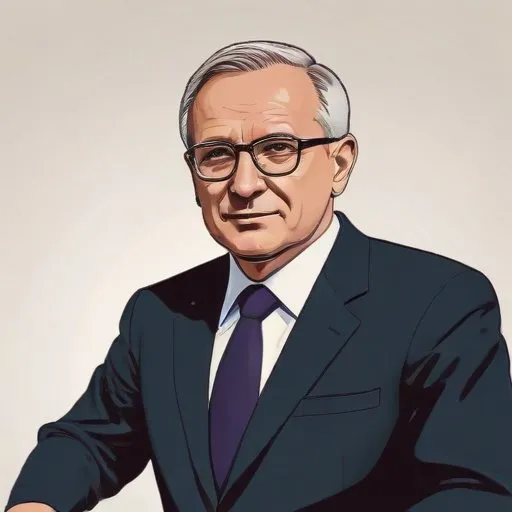
Jzef Czyrek: The Polish Politician Who Shaped International Relations
A Lifetime of Diplomacy and Leadership
Jzef Czyrek is best known for his pivotal role as the Minister of Foreign Affairs of the People's Republic of Poland from 1980 to 1982, during which he navigated complex international relations and played a key part in shaping the country's foreign policy. Throughout his career, Czyrek demonstrated exceptional diplomatic skills, earning him recognition as a prominent figure in Polish politics.
Early Life and Education
Born on July 20, 1928, in Biaobrzegi, Lww Voivodeship, Poland, Czyrek pursued higher education at Jagiellonian University, graduating with a bachelor's degree in economics in 1950. This solid academic foundation laid the groundwork for his future success in the realm of international politics.
Rise to Prominence
Czyrek's career in politics began as a researcher at Jagiellonian University and Cracow University of Economics. In 1952, he joined the Ministry of Foreign Affairs, marking the start of his illustrious journey in diplomacy. His rapid rise through the ranks saw him become a member of the Politburo of the Polish United Workers' Party in 1955, and subsequently, the counsel in Belgrade from 1962 to 1968.
Key Appointments and Achievements
- Deputy Director and Director of Studies and Programming Department at the Ministry of Foreign Affairs (1969-1971)
- Deputy Minister of Foreign Affairs (until August 1980)
- Minister of Foreign Affairs (August 1980-1982)
- Member of the Party's Secretariat (1981)
- Vice-President of the Patriotic Movement for National Rebirth (PRON) (December 1982)
- Top Aide to Polish President and General Secretary of the Communist Party Wojciech Jaruzelski
Round Table Talks and Legacy
Czyrek played a crucial role in the Round Table Talks between the ruling party and opposition figures, which took place from February 6 to April 4, 1989. These talks paved the way for Poland's transition from communism to democracy. Although his term as Minister of Foreign Affairs ended in 1982, Czyrek's contributions to Polish politics continued to shape the country's future.
Personal Milestones and Later Life
Czyrek's tenure as top aide to Wojciech Jaruzelski ended on July 30, 1989, when Jaruzelski resigned from the leadership of the communist party. Czyrek also resigned from the communist party's central committee on the same date. He passed away on June 3, 2013, leaving behind a legacy of diplomatic achievements and a lasting impact on Polish politics.
Influence on Modern Society
Jzef Czyrek's contributions to international relations and Polish politics continue to be felt today. His commitment to diplomacy and his ability to navigate complex political landscapes serve as a testament to his enduring influence on modern society.
FAQ
What was Józef Czyreks role in Polish politics?
Józef Czyrek was a prominent Polish economist and politician who served as the Minister of Foreign Affairs from 1980 to 1982. He played a crucial role in shaping Polands foreign policy during the Cold War era.
What were Józef Czyreks contributions to the Polish economy?
As an economist, Józef Czyrek made significant contributions to Polands economic development. He implemented several reforms aimed at stabilizing the economy and promoting industrial growth.
What were Józef Czyreks views on international relations?
Józef Czyrek was a strong advocate for improved international relations and diplomacy. He believed in promoting dialogue and cooperation between nations to resolve conflicts and address global challenges.
What was Józef Czyreks stance on European integration?
Józef Czyrek was a proponent of European integration and believed that Polands future lay in closer ties with Western Europe. He played a key role in Polands accession to the European Union.
What is Józef Czyreks legacy in Polish history?
Józef Czyreks legacy in Polish history is that of a visionary leader who worked towards Polands economic and political development. He will be remembered for his contributions to Polands transition from a communist to a democratic state.