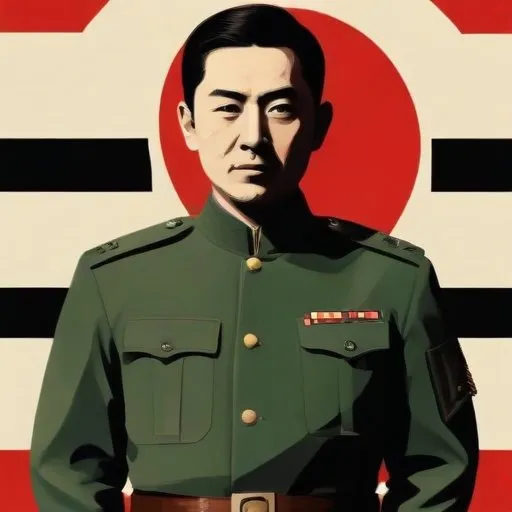
Kakuei Tanaka: The Architect of Modern Japan
A Legacy of Infrastructure and Diplomacy
Kakuei Tanaka, the 39th Prime Minister of Japan, is best known for his bold vision to transform Japan's infrastructure and his diplomatic efforts to normalize relations with China. During his tenure from 1972 to 1974, Tanaka spearheaded the "Plan to Remodel the Japanese Archipelago," a massive infrastructure development program aimed at revitalizing Japan's economy and infrastructure.
Early Life and Rise to Power
Born on May 4, 1918, in rural Niigata Prefecture, Japan, Tanaka grew up in poverty and received little formal education. However, he demonstrated entrepreneurial spirit from an early age, working in the construction industry and eventually becoming the president of his own construction company. During World War II, Tanaka's company flourished, securing lucrative military contracts.
After the war, Tanaka turned to politics, joining the Liberal Democratic Party (LDP) in 1955. He quickly rose through the ranks, serving in various ministerial positions, including Minister of Posts and Telecommunications, Chairman of the LDP Policy Research Council, Minister of Finance, Secretary General of the LDP, and Minister of International Trade and Industry.
The Rise to Prime Ministership
Tanaka's political acumen and tenacity earned him a reputation as a shrewd and capable politician. In 1972, he outmaneuvered
Takeo Fukuda in a power struggle, becoming the Prime Minister of Japan. During his tenure, Tanaka focused on domestic development and international diplomacy.
Diplomatic Breakthroughs
Tanaka's diplomatic efforts culminated in the Japan-China Joint Communiqué, a historic agreement that normalized relations between Japan and China. This milestone marked a significant shift in Japan's foreign policy, paving the way for increased economic cooperation and cultural exchange.
Infrastructure Development
Tanaka's "Plan to Remodel the Japanese Archipelago" aimed to revitalize Japan's infrastructure, stimulate economic growth, and improve the quality of life for Japanese citizens. The plan included ambitious projects such as the construction of high-speed rail networks, expressways, and large-scale urban development.
Controversy and Legal Issues
Tanaka's political career was not without controversy. In 1974, he resigned as Prime Minister amid allegations of corruption, and in 1976, he was implicated in the Lockheed bribery scandals. Although he was arrested and tried, Tanaka maintained influence through his faction, the largest faction in the LDP, and continued to shape Japanese politics until his death in 1993.
Legacy and Impact
Despite his legal troubles, Tanaka's contributions to Japan's modernization and infrastructure development are undeniable. He played a crucial role in shaping Japan's economic growth, improving its international relationships, and laying the groundwork for the country's future prosperity.
Key Milestones and Achievements
- normalization of diplomatic relations with China
- implementation of the "Plan to Remodel the Japanese Archipelago"
- infrastructure development and economic growth initiatives
- leadership in the Liberal Democratic Party and the Japanese government
Personal Life and Anecdotes
Tanaka's rags-to-riches story, from poverty to prominence, is a testament to his entrepreneurial spirit and perseverance. Despite his tough exterior, Tanaka was known for his earthy and tenacious political style, which earned him the respect and admiration of his contemporaries.
Conclusion
Kakuei Tanaka's legacy is a complex tapestry of achievements and controversies. As a visionary leader, he played a significant role in shaping Japan's modern landscape, but his legal issues have also left an indelible mark on his reputation. Nevertheless, Tanaka's contributions to Japan's growth, development, and international relationships remain an integral part of his enduring legacy.
FAQ
What were the key accomplishments of Kakuei Tanaka as Prime Minister of Japan?
During his tenure as Prime Minister from 1972 to 1974, Tanaka implemented several significant policies, including the return of Okinawa to Japan and the normalization of diplomatic relations with China.
What was Kakuei Tanakas early life and military career like?
Tanaka was born in 1918 in Niigata Prefecture, Japan. He served in the Imperial Japanese Army during World War II and was stationed in Manchuria.
What was the Lockheed bribery scandal that implicated Kakuei Tanaka?
In 1976, Tanaka was arrested and charged with accepting bribes from Lockheed Corporation, an American aircraft manufacturer, in exchange for favorable treatment. He was later convicted and imprisoned.
What was Kakuei Tanakas role in Japanese politics after his prime ministership?
After resigning as Prime Minister, Tanaka remained a prominent figure in Japanese politics, serving in various leadership positions within the Liberal Democratic Party.
How did Kakuei Tanakas policies impact the Japanese economy?
Tanakas policies, including his Reconstruction of the Japanese Archipelago plan, aimed to revitalize the Japanese economy through infrastructure development and regional revitalization.