


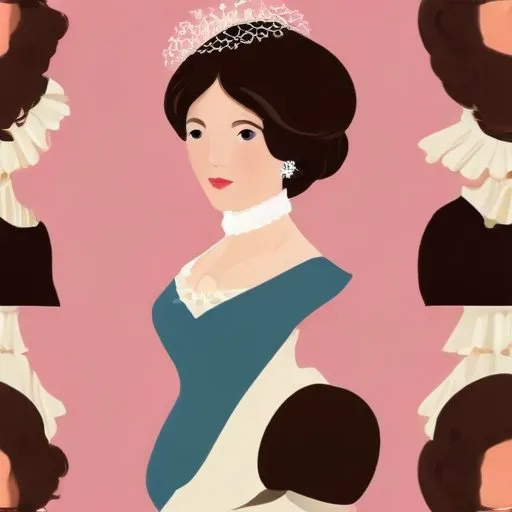
An English aristocrat and heiress, known for being the alleged inspiration for the character of Lady Katherine in the classic novel "Dick Turpin" and her rumored involvement in highway robbery.
Katherine Ferrers, a 17th-century English gentlewoman, is infamous for her alleged exploits as the "Wicked Lady," a notorious highwaywoman who terrorized the countryside of Hertfordshire. Her life is shrouded in mystery, but one thing is certain – she left an indelible mark on history as a female outlaw in a male-dominated world.
Born on May 4, 1634, at Bayford in Hertfordshire, Katherine Ferrers was the daughter of Knighton Ferrers and his wife, Katherine or Catherine Walters. She was born into a family of devout Protestants, favored by both Henry VIII and Edward VI. Upon her grandfather's death, Katherine inherited a considerable fortune, including extensive properties in Hertfordshire.
Tragedy struck early in Katherine's life when her father died in 1640, and her brother, the heir to the family fortunes, passed away soon after. By court decree, she was appointed sole heir to her grandfather's estates, making her a wealthy and independent woman.
Katherine's mother remarried soon after her father's death, wedding Sir Simon Fanshawe, a committed Royalist. When the Civil War broke out in 1642, the family joined King Charles I in Oxford, where they actively supported the Royalist cause. Katherine's mother died that winter, leaving her in the care of her stepfather.
As the war continued, Simon Fanshawe was taken prisoner in 1646, and Katherine was made a ward of the court. She was placed in the care of her stepfather's brother, Richard Fanshawe, and his wife, Ann. Later, she was sent to live with her stepfather's sister, Alice, at Hamerton in Huntingdonshire.
It is during this tumultuous period that Katherine Ferrers allegedly turned to a life of crime, donning the mantle of the "Wicked Lady." According to legend, she robbed coaches and travelers on the highways of Hertfordshire, earning a reputation as a cunning and ruthless thief.
Little is known about the specifics of her criminal exploits, but it is said that she was responsible for numerous robberies and assaults, earning the fear and respect of the local population. Her exploits were shrouded in mystery, with some claiming she used disguises and aliases to evade capture.
Katherine Ferrers' life was cut short when she died from gunshot wounds sustained during a robbery in 1660. Her death marked the end of an era, and her legend lived on as a cautionary tale about the dangers of a life of crime.
Despite her questionable morals, Katherine Ferrers remains an enigmatic figure, fascinating historians and enthusiasts alike. Her story serves as a testament to the agency and independence of women in a male-dominated society, and her notoriety has ensured her place in the annals of history.
Born in 1367
The last king of the House of Plantagenet, deposed in a coup, known for his extravagance and tyranny, leading to his downfall and the rise of the Lancastrian dynasty.
Born in 1456
The wife of Richard III and daughter of Warwick the Kingmaker, she played a pivotal role in the Wars of the Roses, becoming Queen of England after her husband's ascension to the throne.
Born in 1284
The king whose disastrous reign led to his eventual deposition and mysterious death, remembered for his alleged homosexual relationships and power struggles with nobles.
73 Years Old
A British singer-songwriter and pianist known for his emotive, poetic lyrics and soaring melodies, crafting introspective and atmospheric indie-pop soundscapes.
Born in 1716
A renowned 18th-century poet and scholar, celebrated for his lyrical and melancholic works, particularly the iconic "Elegy Written in a Country Churchyard".
