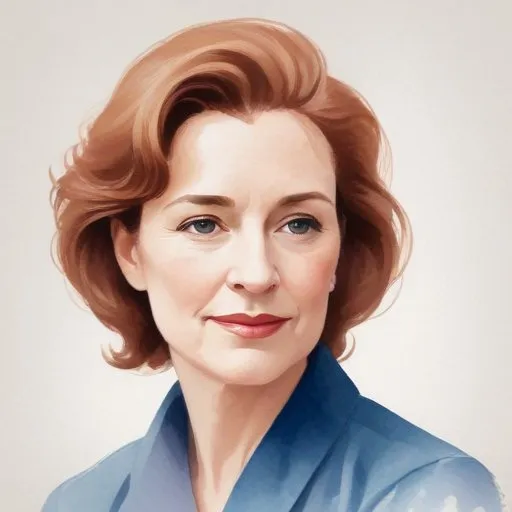
Kathleen Scott: A Pioneering British Sculptor
A Legacy of Portrait Heads and Public Monuments
Kathleen Scott, a renowned British sculptor, is celebrated for her exquisite portrait heads and busts, as well as her impressive public monuments, including war memorials and statues of prominent figures. With a prolific career spanning several decades, Scott's traditional style and technical mastery earned her recognition as one of the most significant British women sculptors of her time.
Early Life and Training
Born on March 27, 1878, in Carlton in Lindrick, Nottinghamshire, Kathleen Scott was the youngest of eleven children to Rev. Lloyd Stuart Bruce and his first wife, Jane Skene. After being orphaned at the age of eight, Scott was raised by her relative, William Forbes Skene, in Edinburgh, where she attended St George's School. She later pursued her artistic interests at the Slade School of Fine Art in London from 1900 to 1902, followed by studies at the Académie Colarossi in Paris with friends Jessie Gavin and Eileen Gray.
Rise to Prominence
Scott's talent was quickly recognized, with her statuette of a mother and child being accepted for the Paris Salon, where it won a medal, within just three months of her studies at the Académie Colarossi. This early success marked the beginning of a distinguished career, during which she befriended renowned artists, including Auguste Rodin.
Artistic Contributions
Portrait Heads and Busts
Scott's mastery of portrait heads and busts earned her widespread acclaim. Her subjects included prominent figures, such as her first husband, Captain
Robert Falcon Scott, and other notable personalities of the time. Her attention to detail and ability to capture the essence of her subjects made her a sought-after sculptor.
Public Monuments
In addition to her portrait work, Scott created several public monuments, including war memorials, which showcased her technical skill and artistic vision. These works not only demonstrated her craft but also contributed to the cultural landscape of Britain during a tumultuous period in history.
Personal Life and Legacy
Scott's personal life was marked by two marriages, first to Captain Robert Falcon Scott and then to Edward Hilton Young, with whom she had two children, Sir
Peter Scott and Wayland Young. Her descendants, including sculptor Emily Young and writer Louisa Young, have continued her artistic legacy.
Assessment and Impact
Despite her significant contributions to British sculpture, Scott's traditional style and criticism of abstract art, as practiced by artists like
Barbara Hepworth and
Henry Moore, have led to a relative lack of recognition for her achievements. Nevertheless, her work remains an important part of Britain's cultural heritage, and her influence can be seen in the many artists who have followed in her footsteps.
Timeline of Key Events
- March 27, 1878: Born in Carlton in Lindrick, Nottinghamshire
- 1900-1902: Studied at the Slade School of Fine Art in London
- 1902: Enrolled at the Académie Colarossi in Paris
- c. 1902: Statuette of a mother and child accepted for the Paris Salon, winning a medal
- 1910s-1940s: Created numerous portrait heads, busts, and public monuments
- 1947: Passed away on July 25
Conclusion
Kathleen Scott's remarkable career, marked by her technical mastery and artistic vision, has left an indelible mark on British sculpture. While her traditional style may have been eclipsed by more modern movements, her contributions to the world of art remain significant, and her legacy continues to inspire future generations of artists.
FAQ
What type of sculptures did Kathleen Scott create?
Kathleen Scott was a British sculptor who created figurative sculptures, often focusing on myths, legends, and allegorical themes. Her work was characterized by meticulous attention to detail and a strong sense of narrative.
What influenced Kathleen Scotts artistic style?
Kathleen Scotts artistic style was influenced by her training at the Royal Academy and her exposure to Renaissance art during her travels to Italy. She was also inspired by classical mythology and literature.
What was Kathleen Scotts role in promoting womens art?
Kathleen Scott was a strong advocate for womens rights in the art world, promoting the work of female artists and encouraging women to pursue careers in sculpture and other male-dominated fields.
What are some of Kathleen Scotts most famous sculptures?
Some of Kathleen Scotts most famous sculptures include The Charioteer (1911), The Spirit of the Woods (1913), and The Mother (1915). These works showcase her skill in capturing the human form and her ability to convey emotion through sculpture.
Is Kathleen Scotts work still exhibited today?
Yes, Kathleen Scotts work is still exhibited today in museums and galleries around the world. Her sculptures are highly regarded for their technical skill and emotional depth, and she remains an important figure in British art history.