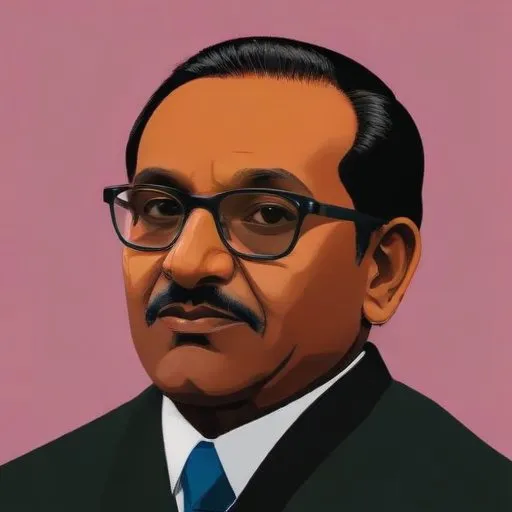
Lakshman Kadirgamar: The Unwavering Statesman
A Beacon of International Diplomacy
Lakshman Kadirgamar was a stalwart figure in Sri Lankan politics, renowned for his unwavering commitment to promoting international diplomacy and combating terrorism. As the Minister of Foreign Affairs of Sri Lanka from 1994 to 2001 and again from April 2004 until his assassination in August 2005, Kadirgamar was a vocal critic of the Liberation Tigers of Tamil Eelam (LTTE) and played a pivotal role in getting them banned internationally.
Early Life and Education
Born on April 12, 1932, in Manipay, Jaffna District, Kadirgamar hailed from a Tamil family of esteemed professionals. His father, Samuel J.C.Kadirgamar Sr, was a Proctor and the founder President of the Law Society of Ceylon, while his mother, Edith Rosemand Parimalam Mather, was a homemaker. After losing his mother at the tender age of seven, Kadirgamar was raised by his older sister, Eeswari, and went on to receive his primary education at C.M.S. Ladies College, Colombo. He later attended Matale during the war years, where his sister's husband was posted.
A Rising Star in International Politics
Kadirgamar's foray into international politics began when he served as the President of the Oxford Union in 1958-1959. This esteemed position catapulted him to international prominence, as he forthrightly condemned the LTTE and campaigned for their banishment. His fearless stance earned him widespread recognition, and he soon became a distinguished lawyer and humanitarian.
Philosophical Contributions and Beliefs
Kadirgamar's philosophical outlook was deeply rooted in his commitment to democracy, sovereignty, and terror. He firmly believed that the pillars of international order must be reinforced to combat the scourge of terrorism. His views on politics and international relations are meticulously documented in the book "Democracy, Sovereignty and Terror: Lakshman Kadirgamar on the Foundations of International Order," edited by Professor Adam Roberts.
Career Highlights and Major Works
- Minister of Foreign Affairs of Sri Lanka (1994-2001, 2004-2005)
- President of the Oxford Union (1958-1959)
- Vocal critic of the LTTE and instrumental in getting them banned internationally
Influence on Modern Society
Kadirgamar's unwavering commitment to combating terrorism has had a profound impact on modern society. His tireless efforts to promote international diplomacy and cooperation have inspired a new generation of leaders to prioritize global security and stability.
Personal Milestones and Key Life Events
Legacy and Historical Context
Lakshman Kadirgamar's legacy is a testament to his unyielding dedication to promoting international diplomacy and combating terrorism. His contributions to the global community have left an indelible mark, and his martyrdom has only served to galvanize his vision for a more secure and stable world.
FAQ
What is Lakshman Kadirgamars most notable achievement in politics?
Lakshman Kadirgamars most notable achievement in politics is his role as Sri Lankas Minister of Foreign Affairs from 1994 to 2001. He played a key role in shaping the countrys foreign policy.
What is Lakshman Kadirgamars educational background?
Lakshman Kadirgamars educational background includes studying at the University of Ceylon, where he earned a degree in law. He later earned a Ph.D. in international law from the University of Oxford.
Is Lakshman Kadirgamar associated with the Sri Lankan Freedom Party?
Yes, Lakshman Kadirgamar is associated with the Sri Lankan Freedom Party, a prominent political party in Sri Lanka.
What is Lakshman Kadirgamars role in international diplomacy?
Lakshman Kadirgamar played a key role in international diplomacy, particularly in the area of disarmament and arms control. He was a strong advocate for nuclear disarmament.
Has Lakshman Kadirgamar received any notable awards?
Yes, Lakshman Kadirgamar has received several notable awards, including the Sri Lankan Ranjan Wijeratne Memorial Award for his contribution to international diplomacy.