


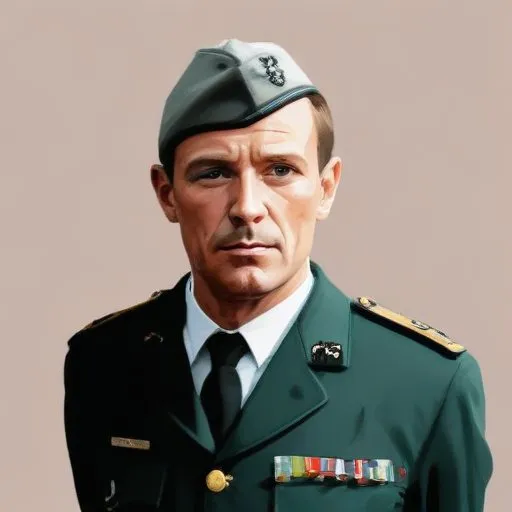
A pioneering doctor and soldier who served in World War I and was one of the first women to receive the Military Medal for bravery. She paved the way for women in medicine and the military.
Leslie Averill is renowned for his bravery during World War I, particularly for his pivotal role in the capture of the fortified town of Le Quesnoy in November 1918. This daring feat, which involved scaling a 30-foot ladder to breach the town's ramparts, earn him the Military Cross and cemented his place in history.
Born on March 25, 1897, in Christchurch, New Zealand, Averill was the son of Alfred Averill, a local vicar who would later become the Archbishop of New Zealand. He excelled in his studies at Christs College, serving as head prefect in 1915. The following year, he began studying medicine at Auckland University.
In 1916, Averill volunteered to fight in World War I with the New Zealand Expeditionary Force (NZEF), inspired by his friend Paul Clark's decision to enlist. Commissioned as a second lieutenant, he underwent training at Trentham Military Camp before arriving in France in May 1918.
As a member of the 4th Battalion of the New Zealand Rifle Brigade, Averill fought in the Second Battle of Bapaume in August 1918, demonstrating exceptional gallantry and leadership. His bravery earned him the Military Cross, a prestigious honor bestowed upon him for his service.
In November 1918, Averill's battalion was tasked with capturing the fortified town of Le Quesnoy. Undaunted by the town's imposing ramparts, Averill, then the battalion's intelligence officer, scouted the defenses and discovered a vulnerable approach route. With the aid of a 30-foot ladder, he climbed the ramparts, single-handedly neutralizing the German guard post and paving the way for his battalion's successful capture of the town.
After the war, Averill returned to New Zealand and completed his medical studies. He established a private practice in Christchurch, becoming a respected doctor and community leader. Averill's later life was marked by his service as a medical administrator, earning him a reputation as a dedicated and compassionate professional.
Leslie Averill's remarkable story serves as a testament to his unwavering courage, resourcefulness, and dedication to his country. His legacy continues to inspire generations, reminding us of the sacrifices made by brave men and women during times of war.
Born in 1884
Scottish-New Zealand journalist and politician who served as the 24th Prime Minister of New Zealand, leading the country through significant social and economic reforms. He's known for his progressive policies and strong leadership during wartime.
Born in 1872
A pioneering politician who championed social welfare and unity, leading New Zealand through the Great Depression and World War II, implementing groundbreaking reforms and earning a revered legacy.
Born in 1901
A New Zealand politician who served as Minister of Finance from 1957 to 1960, implementing significant economic reforms and introducing the country's first pension scheme. He's remembered for his progressive policies and commitment to social welfare.
Born in 1882
A lawyer-turned-politician who served as New Zealand's Prime Minister, implementing significant economic and social reforms, including the establishment of the country's welfare state.
