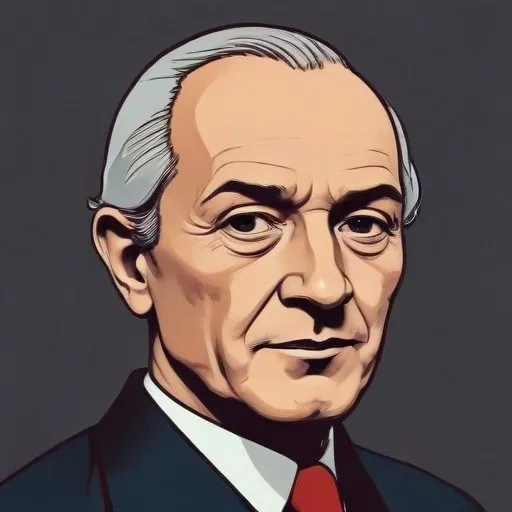
Lieuwe van Aitzema: The Prolific Historian and Diplomat of 17th-Century Netherlands
A Career Marked by Excellence in History and Diplomacy
Lieuwe van Aitzema is renowned for his monumental work, "Saken van Staet in Oorlogh in ende omtrent de Vereenigte Nederlanden," a 14-volume magnum opus that chronicles the tumultuous period of Dutch history from 1621 to 1668. As a historian, diplomat, and bon vivant, van Aitzema's contributions to the field of historiography are immense, providing invaluable insights into the complexities of Dutch politics and international relations during the 17th century.
Early Life and Education
Born on November 19, 1600, in Dokkum, Friesland, van Aitzema demonstrated a penchant for learning from an early age. In 1617, he published a collection of Latin poems, "Poemata Juvenilia," which found its way into the esteemed British Museum. This early foray into the world of literature and politics set the stage for his future accomplishments.
A Diplomatic Career: Representing the Hanseatic Towns
For over three decades, van Aitzema served as the resident and minister for the Hanseatic towns at The Hague, a position that granted him unparalleled access to the inner workings of Dutch politics. During this period, he honed his skills as a diplomat and historian, cultivating an extensive network of contacts that would inform his later writings.
Historical Contributions and Legacy
Van Aitzema's magnum opus, "Saken van Staet in Oorlogh in ende omtrent de Vereenigte Nederlanden," is a testament to his meticulous research and unwavering dedication to the field of history. This exhaustive work, comprising 14 volumes, provides a detailed account of Dutch history from 1621 to 1668, incorporating a vast array of state documents and primary sources. The significance of this work lies in its ability to contextualize the complex events of the Dutch Golden Age, offering a nuanced understanding of the period's politics, economy, and society.
The impact of van Aitzema's work extended far beyond his lifetime, with subsequent historians and scholars drawing upon his research to inform their own studies. Lambert van den Bos, a prominent poet and historian, built upon van Aitzema's work, publishing four continuations of the history between 1685 and 1699.
Personal Milestones and Key Life Events
- 1617: Published "Poemata Juvenilia," a collection of Latin poems
- 1630s-1660s: Served as resident and minister for the Hanseatic towns at The Hague
- 1655-1671: Published "Saken van Staet in Oorlogh in ende omtrent de Vereenigte Nederlanden" in 14 volumes
- February 23, 1669: Passed away in The Hague
Historical Context and Legacy
Lieuwe van Aitzema's life and work are deeply entwined with the tumultuous events of the Dutch Golden Age. His writings provide a unique window into the politics, economy, and society of the period, offering valuable insights into the complexities of Dutch history. As a historian, diplomat, and bon vivant, van Aitzema's legacy extends far beyond his own lifetime, informing generations of scholars and historians to come.
In Conclusion
Lieuwe van Aitzema's remarkable career, marked by excellence in history and diplomacy, has left an indelible mark on the field of historiography. His monumental work, "Saken van Staet in Oorlogh in ende omtrent de Vereenigte Nederlanden," remains a testament to his unwavering dedication to the pursuit of knowledge, providing a rich tapestry of insights into the complexities of Dutch history during the 17th century.
FAQ
Who was Lieuwe van Aitzema?
Lieuwe van Aitzema was a Dutch historian and diplomat who lived in the 17th century. He is best known for his historical works, particularly his chronicle of the Dutch Revolt against Spanish rule.
What were Lieuwe van Aitzemas contributions to Dutch historiography?
Lieuwe van Aitzema made significant contributions to Dutch historiography, writing detailed chronicles of the Dutch Revolt and the Eighty Years War. His works provide valuable insights into Dutch history during this period.
What was Lieuwe van Aitzemas role in Dutch diplomacy?
Lieuwe van Aitzema served as a diplomat for the Dutch Republic, representing the country in negotiations with other European powers. He played a key role in shaping Dutch foreign policy during the 17th century.
What was Lieuwe van Aitzemas writing style like?
Lieuwe van Aitzemas writing style is characterized by his attention to detail and his commitment to accuracy. His chronicles are considered some of the most reliable sources of information on Dutch history during the 17th century.
What was Lieuwe van Aitzemas legacy?
Lieuwe van Aitzemas legacy is that of a meticulous historian and skilled diplomat who contributed significantly to our understanding of Dutch history during the 17th century. His works remain essential reading for historians and scholars today.