


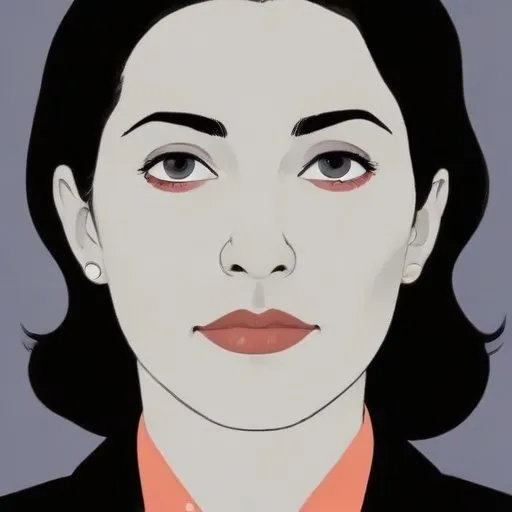
A pioneering poet and critic, she explored themes of love, nature, and the human condition through precise and evocative language, influencing generations of American writers.
Louise Bogan, a lyrical poet extraordinaire, was appointed as the fourth Poet Laureate to the Library of Congress in 1945, marking a historic milestone as the first woman to hold this prestigious title. Her poetic prowess and contributions to the literary world made her one of the finest lyric poets America has produced.
Born on August 11, 1897, in Livermore Falls, Maine, Bogan's early life was marked by a passion for words and a thirst for education. With the help of a benevolent female benefactor, she attended Girls Latin School for five years, where she began writing poetry and discovered the world of Poetry A Magazine of Verse. This educational foundation eventually earned her a spot at Boston University, although she left after her freshman year to pursue a career in writing.
In 1916, Bogan moved to New York to hone her craft, leaving her daughter, Maidie Alexander, in the care of her parents. This bold move marked the beginning of her literary journey, during which she explored the realms of poetry, fiction, and criticism. A few years later, she ventured to Vienna, where she delved into the depths of her loneliness and emerging identity, channeling her emotions into verse.
Upon her return to New York City, Bogan published her debut collection, Body of This Death: Poems, in 1923. This was followed by Dark Summer: Poems in 1927, which solidified her position as a rising star in the literary firmament. Her subsequent appointment as a poetry editor for The New Yorker brought her into close proximity with influential writers of the time, including William Carlos Williams, Edmund Wilson, Marianne Moore, John Reed, Lola Ridge, and Malcolm Cowley.
Bogan's oeuvre consists of six poetry collections, including Collected Poems 1923-1953 (1954) and The Blue Estuaries: Poems 1923-1968 (1968). She also penned several books of prose and translations, cementing her status as a master of language and form. Her poetry is characterized by its musicality, precision, and depth, earning her a reputation as one of the most accomplished lyric poets of her time.
Louise Bogan's contribution to American literature is immeasurable. Her pioneering spirit, lyrical poetry, and dedication to the craft have inspired generations of writers. As the first female Poet Laureate, she paved the way for future women poets, breaking down barriers and challenging the status quo. Her poetry continues to be revered for its beauty, precision, and emotional depth, ensuring her legacy as one of the most celebrated poets of the 20th century.
Born in 1892
A Pulitzer Prize-winning poet and playwright, known for her lyrical and passionate works that explored themes of love, feminism, and social justice. Her poetry is celebrated for its musicality and emotional intensity.
Born in 1885
A pioneering modernist poet and critic who transformed 20th-century literature with innovative styles and provocative ideas, shaping the course of modern poetry.
Born in 1888
A renowned poet, playwright, and critic who reshaped modern poetry with works like "The Waste Land" and "Old Possum's Book of Practical Cats", influencing literature and art with their unique style.
Born in 1879
A modernist master of language and imagination, crafting innovative, symbolic poetry that explores the human experience and the relationship between reality and the individual's perception of it.
Born in 1874
Pulitzer Prize-winning poet and playwright celebrated for rural New England-inspired works that explore human nature, morality, and the American experience.
Born in 1883
A physician-turned-writer, known for his modernist poetry and short stories that explored the everyday lives of ordinary people, often using imagery and experimental styles. His work blurred the lines between poetry and prose, creating a unique literary voice.
Born in 1887
A pioneering modernist poet, known for intricate, precise language and exploration of themes like nature, identity, and morality. Her unique style and intellectual rigor have inspired generations of writers.
Born in 1886
A pioneering figure in modernist poetry, known for experimental and emotionally charged works that explored themes of love, identity, and spirituality.
