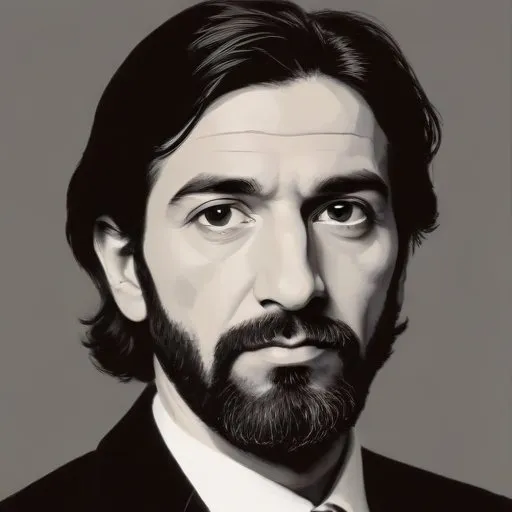
Lucas Samaras: The Maverick of Multidisciplinary Art
A Pioneer of Self-Expression
Lucas Samaras, the Greek-born American artist, is renowned for his unapologetic and unconventional approach to art, blurring the lines between photography, sculpture, and painting. With a career spanning over six decades, Samaras has established himself as a master of self-portraiture, exploring the realms of identity, transformation, and introspection.
Early Beginnings and Influences
Born on September 14, 1936, in Kastoria, Greece, Samaras' artistic journey began during his scholarship at Rutgers University, where he met influential figures such as
Allan Kaprow and
George Segal. His involvement in Kaprow's Happenings and his posing for Segal's plaster sculptures laid the groundwork for his future experimental and interdisciplinary approach to art.
The New Jersey School and the Birth of a Movement
Samaras, along with fellow artists
Claes Oldenburg,
George Brecht, Robert Whitman, Robert Watts, Geoffrey Hendricks, and
Roy Lichtenstein, formed the New Jersey School, a collective that rejected traditional artistic norms and conventions. This movement marked the beginning of Samaras' trajectory as a pioneer of multimedia art, pushing the boundaries of photography, sculpture, and performance art.
A Career of Innovation and Experimentation
- Photography: Samaras' photographic work is characterized by its introspective nature, often featuring his own self-image, distorted and mutilated. His innovative techniques, such as PhotoTransformations, involved manipulating wet dyes in Polaroid film to create unique, otherworldly images.
- Sculpture: Samaras' sculptures, like Stiff Box 12, often take the form of room environments, incorporating personal artifacts and memories. These multimedia collages blur the lines between sculpture, painting, and installation art.
- AutoInterviews: In this series of text-based works, Samaras engaged in self-investigatory interviews, probing the boundaries of his own identity and creative process.
Awards, Honors, and Legacy
Samaras' groundbreaking work has been recognized with numerous awards and exhibitions, including representation at the prestigious Pace Gallery from 1965 and participation in the 53rd Venice Biennale in 2009. His impact on modern art is undeniable, influencing generations of artists to experiment and push the boundaries of their craft.
Personal Milestones and Key Life Events
- Represented Greece at the 53rd Venice Biennale in 2009
- Subject of several portraits by Chuck Close, including paintings, daguerreotypes, and tapestries
- Passed away on March 7, 2024, at the age of 87, leaving behind a profound legacy in the art world
A Lasting Impact on Modern Art
Lucas Samaras' unwavering dedication to exploring the self, his unrelenting experimentation, and his refusal to be bound by convention have left an indelible mark on modern art. His contributions have paved the way for future generations of artists to question, to experiment, and to create.
FAQ
What is Lucas Samarass most famous art form?
Lucas Samaras is a Greek-American artist known for his work in a variety of mediums, including painting, photography, sculpture, and printmaking. He is perhaps best known for his Photo-Transformations, which involve manipulating his own body using cameras and other tools.
What inspired Lucas Samarass Photo-Transformations?
Lucas Samarass Photo-Transformations were inspired by his interest in the relationship between the body and technology. He used his own body as a medium to explore themes of identity, transformation, and the human condition.
Has Lucas Samarass work been exhibited in prominent museums?
Yes, Lucas Samarass work has been exhibited in numerous prominent museums, including the Museum of Modern Art, the Whitney Museum of American Art, and the National Gallery of Art.
What is Lucas Samarass contribution to contemporary art?
Lucas Samaras has made significant contributions to contemporary art, pushing the boundaries of photography and exploring new ways of representing the human body.
What is Lucas Samarass legacy in the art world?
Lucas Samaras is widely regarded as a pioneering figure in contemporary art, known for his innovative and provocative work that continues to inspire new generations of artists.