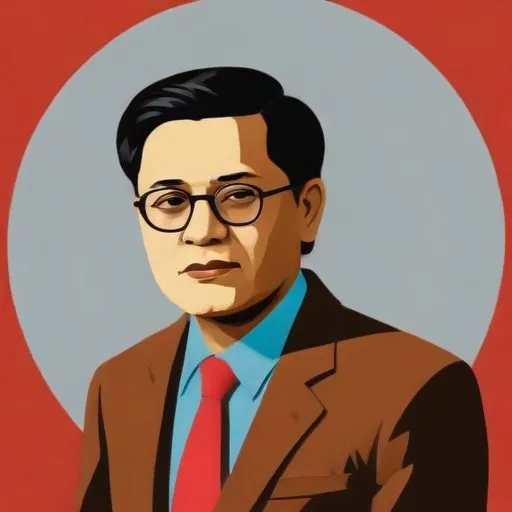
Ludu Daw Amar: The Pioneering Dissident Writer and Journalist
A Leading Voice Against Oppression
Ludu Daw Amar was a renowned Burmese writer, journalist, and dissident, celebrated for her fearless anti-government views and radical left-wing journalism. Born on November 29, 1915, in Mandalay, Burma, Amar was a prominent figure in the country's literary and cultural landscape, leaving an indelible mark on the nation's history.
Early Life and Education
Amar was born into an established Mandalay family that traded in tobacco and manufactured cheroots. She was the fourth of twelve siblings, with only six surviving to adulthood. Educated at the American Baptist Mission School and the National High School, Amar later pursued a degree in science at the Mandalay Intermediate College and Rangoon University.
Literary Career and Activism
Amar's literary career began with the translation of Maurice Collis's "Trials in Burma" in 1938. She was already an accomplished writer, publishing works in various magazines, including the university's "Owei" and "Kyipwa Yay" under her own name and pseudonyms Mya Myint Zu and Khin La Win. Her writing often reflected her strong stance against oppression, making her a respected voice in Burma's literary circles.
Student Activism and Marriage
Amar's activism began during the second university students' strike in 1936, where she, along with her friend M.A. Ma Ohn, became prominent women student leaders. It was during this time that she met her future husband, Ludu U Hla, who was a staunch supporter of the strike. The couple married in 1939 and moved to Mandalay, where U Hla continued to publish his magazine, "Kyipwa Yay".
War-Time Journalism
During World War II, Amar's family fled to the countryside, where she continued to write and edit for "Kyipwa Yay". Her work became a beacon of hope and resistance for the Burmese people, earning her the respect and admiration of the nation.
Legacy and Contributions
Ludu Daw Amar's contributions to Burmese literature and culture are immeasurable. She was a pioneer in promoting traditional Burmese arts, theatre, dance, and music, and her translations of English works into Burmese helped bridge the cultural divide. Her radical journalism and activism paved the way for future generations of writers and dissidents, cementing her place in Burmese history.
Awards and Honors
Amar's work and dedication were recognized with numerous awards and honors, including the prestigious National Literary Award for her outstanding contributions to Burmese literature.
Personal Milestones and Key Life Events
- Born on November 29, 1915, in Mandalay, Burma
- Married to Ludu U Hla in 1939
- Mother of popular writer Nyi Pu Lay
- Fled to the countryside during World War II
- Passed away on April 7, 2008, at the age of 92
Influence on Modern Society
Ludu Daw Amar's life and work continue to inspire and influence modern Burmese society. Her fearlessness in the face of oppression and her commitment to promoting cultural heritage have made her a national icon, revered by generations of writers, artists, and activists.
Philosophical Contributions and Beliefs
Amar's writing and activism were guided by her strong belief in social justice and her commitment to exposing the truth, even in the face of adversity. Her philosophy centered around the power of the written word to inspire change and bring about social reform.
Comparative Analysis with Contemporaries
Amar's work and activism can be compared to that of other prominent dissident writers and journalists of her time, such as
George Orwell and
Anna Akhmatova. Her unique blend of radical journalism and cultural preservation set her apart as a pioneering figure in Burmese literature and history.
Impact on Pop Culture
Ludu Daw Amar's life and work have had a lasting impact on Burmese pop culture. Her story has inspired numerous adaptations in film, literature, and theatre, cementing her place as a cultural icon in modern Burma.
FAQ
What was Ludu Daw Amars role in Burmese journalism?
Ludu Daw Amar was a pioneering journalist and author in Burma, known for her fearless reporting and advocacy for democracy and human rights.
What was Ludu Daw Amars relationship with Aung San Suu Kyi?
Ludu Daw Amar was a close friend and ally of Aung San Suu Kyi, and supported her efforts to bring democracy to Burma, even in the face of government repression.
What were some of Ludu Daw Amars notable works?
Some of Ludu Daw Amars notable works include her memoir Sunshine in the Rain and her collection of short stories The Modern Monk, which explored themes of politics, culture, and identity.
How did Ludu Daw Amars experiences as a woman affect her career?
Ludu Daw Amars experiences as a woman in a male-dominated field often made her a target for harassment and intimidation, but she persevered, using her platform to advocate for womens rights and empowerment.
What is Ludu Daw Amars legacy in Burmese literature?
Ludu Daw Amars legacy in Burmese literature is one of courage, creativity, and advocacy, inspiring generations of writers and journalists to continue her work in promoting democracy and human rights.