


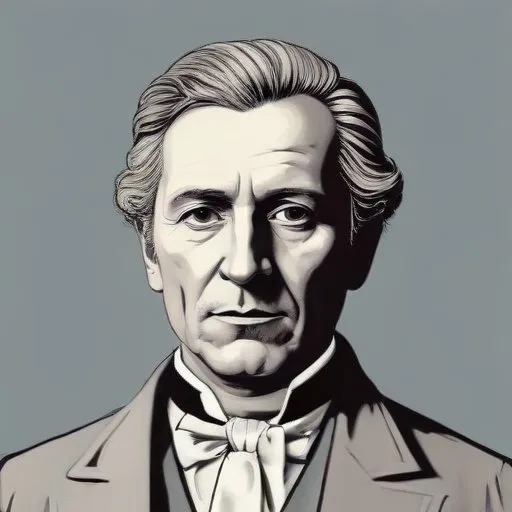
Ludwig Ritter von Kchel is synonymous with Mozart's music, as he is credited with cataloguing the composer's works and originating the KV numbers by which they are known. His monumental work, the Kchel catalogue, published in 1862, is a chronological and thematic register of Mozart's oeuvre, a feat that has made him an indispensable figure in the world of musicology.
Born on January 14, 1800, in Stein, Lower Austria, Kchel studied law in Vienna and graduated with a PhD in 1827. For fifteen years, he was a tutor to the four sons of Archduke Charles of Austria, a position that not only honed his academic skills but also provided him with a generous financial settlement, allowing him to pursue his scholarly interests.
Kchel's intellectual curiosity and passion for learning extended far beyond musicology. He was an accomplished botanist, and his research expeditions to North Africa, the Iberian Peninsula, the United Kingdom, the North Cape, and Russia earned him recognition from the scientific community. Additionally, he was interested in geology and mineralogy, demonstrating his versatility as a scholar.
Kchel's magnum opus, the Kchel catalogue, is a testament to his meticulous research and dedication to Mozart's music. The catalogue, which has undergone revisions since its initial publication, is a comprehensive and authoritative register of Mozart's works, categorized into 24 groups. This groundbreaking work has facilitated musicologists and enthusiasts alike to access and appreciate Mozart's compositions, with each piece identified by its unique KV number.
Interestingly, Otto Jahn, a contemporary musicologist, was working on a comprehensive collection of Mozart's works and a scholarly biography of the composer. When Jahn learned of Kchel's catalogue, he graciously handed over his collection to Kchel, who, in turn, dedicated his catalogue to Jahn. This gesture of academic camaraderie is a testament to the spirit of collaboration and mutual respect that defines the pursuit of knowledge.
Kchel's work has had a profound impact on musicology, influencing generations of scholars and enthusiasts. His catalogue has facilitated the publication of Mozart's complete works, a venture partly funded by Kchel himself. Moreover, he also catalogued the works of Johann Fux, further solidifying his reputation as a meticulous and dedicated musicologist.
Kchel passed away on June 3, 1877, at the age of 77, in Vienna, leaving behind a legacy that continues to inspire and inform musicologists and enthusiasts worldwide. His remarkable life, marked by academic achievements and a passion for learning, serves as a testament to the power of dedication and intellectual curiosity.
Born in 1756
A child prodigy and master of classical music, he composed over 600 works, including symphonies, operas, and chamber music, that continue to inspire and influence musicians today.
Born in 1770
A musical genius who expanded the possibilities of classical music, creating iconic symphonies and piano sonatas that continue to inspire and influence generations of artists.
Born in 1797
A renowned composer of symphonies, operas, and chamber music, particularly famous for his emotional and expressive lieder (art songs) that showcased his mastery of melody and harmony.
Born in 1833
A renowned pianist and composer, he crafted complex, expressive works that blended traditional and innovative techniques, leaving an indelible mark on classical music.
Born in 1678
A virtuosic violinist and prolific composer, he crafted over 400 concertos, including "The Four Seasons," which remains a beloved and iconic masterpiece of classical music.
Born in 1732
A renowned composer and pianist of the Classical period, known for his symphonies, operas, and chamber music that showcased his innovative and expressive style. He played a significant role in shaping the Classical music era.
Born in 1714
A pioneering opera composer who revolutionized the art form with his innovative and expressive works, blending music and drama in a way that captivated audiences.
Born in 1782
A virtuosic violinist and composer who revolutionized the instrument's technical possibilities, leaving an indelible mark on classical music.
