


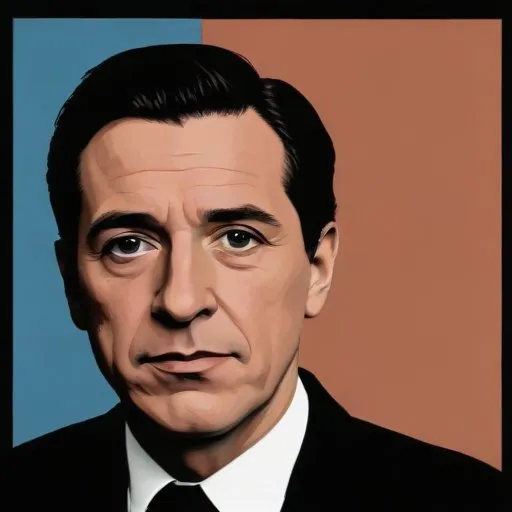
A pioneering underwater photographer and explorer who captured stunning images of the ocean's depths and discovered the remains of the Atocha, a 17th-century Spanish galleon.
Luis Marden, a true Renaissance man, was a renowned American photographer, explorer, writer, filmmaker, diver, navigator, and linguist who made a lasting impact on the world of science and photography. Best known for his work with National Geographic Magazine, Marden was a pioneer in the use of color photography, both on land and underwater.
Born Annibale Luigi Paragallo on January 25, 1913, in Chelsea, Massachusetts, Marden's early life was marked by a passion for photography. Introduced to the art form in a chemistry class at Quincy Senior High School, Marden's interest was intense and lasting. At just 19 years old, he wrote Color Photography with the Miniature Camera, which may be the first book ever published on 35mm color photography.
Marden began his career at WMEX radio station in the Boston area, where he had a photography program called Camera Club of the Air. His expertise in color photography subsequently brought him to National Geographic magazine, where he was officially hired on July 23, 1934. Marden's use of a lightweight Leica camera loaded with Kodachrome film revolutionized the way National Geographic Magazine approached photography.
Though Marden officially retired in 1976, he continued to write occasional stories for National Geographic Magazine. He passed away on March 3, 2003, leaving behind a legacy of stunning photography and inspiring stories of exploration. Marden's work continues to inspire generations of photographers, scientists, and explorers.
"The camera is an instrument, but it's the human being behind it that makes the picture."
Marden's philosophy on photography emphasizes the importance of the human element in capturing truly remarkable images.
Marden's work with National Geographic Magazine spanned several decades, during which he played a significant role in shaping the magazine's visual identity. His pioneering use of color photography and innovative approach to storytelling raised the bar for photographers and journalists worldwide.
Today, Marden's legacy continues to inspire a new generation of photographers, explorers, and scientists. His work serves as a testament to the power of human curiosity and the importance of exploring and documenting our world.
Born in 1910
A pioneering oceanographer who co-developed the aqua-lung, allowing humans to explore the underwater world, and documented his discoveries through captivating films and books.
Born in 1913
A pioneering war photographer and journalist, capturing iconic images of conflict and human struggle, particularly during World War II and the Spanish Civil War.
Born in 1908
A pioneer of street photography, capturing life's fleeting moments in elegant, geometric compositions that defined the genre. Known for coining the term "the decisive moment."
Born in 1904
Pioneering photographer and journalist who captured iconic images of the Great Depression and World War II, and was the first woman to fly on a combat mission.
Born in 1907
A pioneering photojournalist capturing iconic images of World War II, the Great Depression, and major historical events, telling stories through powerful, evocative photographs.
Born in 1912
A pioneering African American photographer and filmmaker who captured the lives of marginalized communities, exposing social injustices through powerful, poignant images.
Born in 1895
Documented the lives of those affected by the Great Depression and the Dust Bowl through powerful, poignant photographs that humanized the struggles of the era. Captured iconic images that shaped the national conversation around poverty and social justice.
Born in 1902
Pioneering landscape photographer and conservationist capturing iconic black-and-white images of the American West, advocating for environmental protection through art.
