


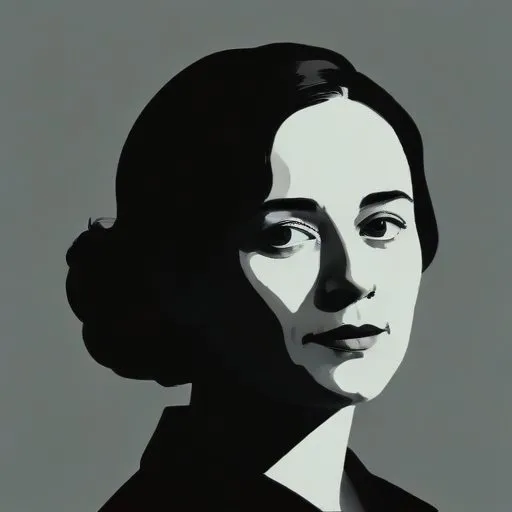
A pioneering female composer and educator, she broke barriers in a male-dominated field, leaving a legacy of musical works and inspiring future generations.
Luise Adolpha Le Beau was a renowned German composer of classical music, born on April 25, 1850, in Rastatt, Grand Duchy of Baden. She is celebrated for her remarkable contributions to the world of classical music, earning her a place among the most prominent female composers of the 19th century.
Le Beau was born to Wilhelm Le Beau, a military officer and musician, and his wife Karoline née Barack. She received her first piano lessons from her father at the age of five and composed her first piece at eight. Her parents devoted themselves to her general education, and she studied languages from 1863 to 1866 at a local girls' school.
After completing her education, Le Beau began taking piano lessons from Hofkapellmeister William Kalliwoda in Karlsruhe and singing lessons from Anton Haizinger. In 1868, she made her debut as a pianist, performing Beethoven's E-flat major Concerto and Mendelssohn's G minor Concerto in Karlsruhe. Later, she met Franz Lachner and Anton Rubinstein, who would shape her musical journey.
Le Beau's compositions include symphonies, operas, choral works, and chamber music. Her symphony in F major, Op. 41, is considered one of her most notable works. She also composed the opera Hadumoth, which premiered in 1898. Le Beau's music was characterized by its romantic style, filled with expressive melodies and rich harmonies.
Le Beau's contributions to classical music paved the way for future generations of female composers. She broke barriers, challenging the traditional male-dominated music scene of her time. Her music continues to inspire and influence contemporary composers, ensuring her legacy lives on.
In 1873, Le Beau applied for piano lessons with Clara Schumann in Baden-Baden, marking a significant milestone in her musical development.
Her concert tour in 1874 took her to five cities in The Netherlands, solidifying her reputation as a talented pianist and composer.
Le Beau believed that music was a powerful medium for self-expression and emotional exploration. She advocated for the importance of education and equal opportunities for women in the arts. Her music reflects her commitment to these values, conveying a sense of passion and dedication.
Le Beau's life and work have inspired generations of musicians and composers. Her compositions continue to be performed and admired, ensuring her place in the annals of classical music history. As a pioneering female composer, she paved the way for others to follow in her footsteps.
Luise Adolpha Le Beau's remarkable journey serves as a testament to her perseverance, talent, and dedication to her craft. Her music remains a lasting legacy, a celebration of her contributions to the world of classical music.
Born in 1805
A talented pianist and composer who made significant contributions to the Romantic era, creating over 460 pieces of music, including lieder, choruses, and orchestral works.
Born in 1819
A renowned 19th-century pianist and composer, she was one of the first females to achieve recognition in a male-dominated field, creating over 60 pieces of music. Her compositions showcased romanticism and lyricism.
Born in 1858
A pioneering female composer who broke glass ceilings in the male-dominated world of classical music, creating works that showcased her unique voice and perspective.
Born in 1886
A pioneering female viola player and composer who broke gender barriers in the early 20th-century classical music scene, known for her innovative and expressive works.
Born in 1892
A pioneering female composer and educator, she broke gender barriers in the classical music world, leaving a lasting legacy in the development of modern French music.
Born in 1876
An Italian composer and educator, he's most known for his operas and orchestral works, blending German Romanticism with Italian lyricism. His music is characterized by its lyricism, humor, and dramatic flair.
Born in 1813
A renowned composer of iconic operas like La Traviata and Aida, known for his masterful blending of drama and music. His works continue to captivate audiences worldwide.
Born in 1864
A renowned composer and conductor of the late Romantic era, known for his tone poems and operas that showcased his mastery of orchestration and expressive storytelling.
