


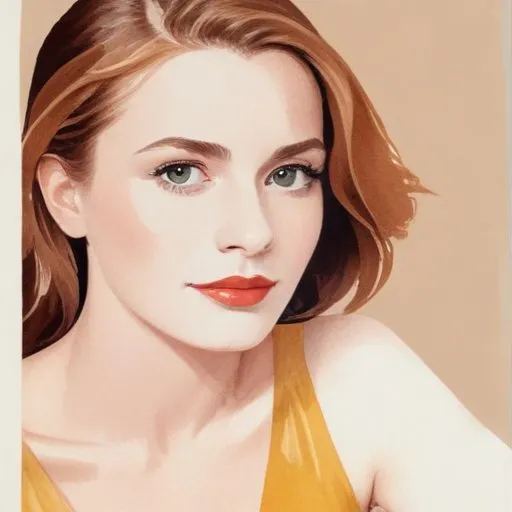
Austrian actress and dancer known for her romantic relationship with Johann Wolfgang von Goethe, inspiring his poetry, and her own artistic talents. She was a muse and creative force in her own right.
Marianne von Willemer, a captivating Austrian actress and dancer, is forever etched in the annals of literary history as the inspiration behind Johann Wolfgang von Goethe's esteemed poetry. Her bewitching charm and creative essence infused life into Goethe's works, earning her an indelible mark on the world of German literature.
Born Marianne Pirngruber on November 20, 1784, in Linz, Austria, she was destined for the stage. Her early years were marked by a passion for performance, and at the tender age of 14, she left her hometown to pursue her dreams in Frankfurt am Main.
It was in Frankfurt that Marianne's life took a dramatic turn. She became the third wife of Johann Jakob von Willemer, a prominent banker, who introduced her to the revered poet Johann Wolfgang von Goethe. Their meeting in 1814 and 1815 would prove to be a pivotal moment in both their lives, as Goethe was captivated by Marianne's beauty, intelligence, and artistic flair.
Goethe's fascination with Marianne was palpable, and he immortalized her in the Buch Suleika section of his seminal work, West-östlicher Divan. However, what is often overlooked is that several of the poems in this collection were, in fact, penned by Marianne herself. This remarkable revelation highlights not only her poetic prowess but also the profound impact she had on Goethe's creative process.
Shrouded in mystery, Marianne's life remains somewhat of an enigma. Despite her associations with prominent figures, she herself remained an introvert, preferring the quiet anonymity of her personal life to the public glare of her artistic pursuits. This air of mystique only adds to the allure of her story, rendering her an even more fascinating and complex character.
Marianne von Willemer's influence on Goethe's work is undeniable, and her contribution to the world of German literature cannot be overstated. As a testament to her enduring legacy, her name continues to be invoked in literary circles, serving as a powerful reminder of the transformative power of art and creativity.
In the end, Marianne von Willemer's story serves as a poignant reminder of the profound impact that individuals can have on one another, and the transformative power of art to transcend time and mortality.
Born in 1797
A renowned composer of symphonies, operas, and chamber music, particularly famous for his emotional and expressive lieder (art songs) that showcased his mastery of melody and harmony.
Born in 1770
A musical genius who expanded the possibilities of classical music, creating iconic symphonies and piano sonatas that continue to inspire and influence generations of artists.
Born in 1749
A German literary giant who penned iconic works like "Faust" and "The Sorrows of Young Werther", shaping the Romantic movement and influencing countless writers.
Born in 1790
Austrian actor and playwright who wrote and performed in popular folk plays, often incorporating magic and fantasy elements, and was a key figure in Vienna's theatrical scene. He is particularly known for his humorous and satirical works that poked fun at social issues of his time.
Born in 1750
A renowned 18th-century composer and conductor, known for his operas and rivalry with Mozart, as depicted in the movie Amadeus.
96 Years Old
A renowned cellist and conductor who revolutionized the way classical music is performed and perceived, known for his innovative and historically informed interpretations of Baroque and Classical music.
Born in 1714
A pioneering opera composer who revolutionized the art form with his innovative and expressive works, blending music and drama in a way that captivated audiences.
Born in 1833
A renowned pianist and composer, he crafted complex, expressive works that blended traditional and innovative techniques, leaving an indelible mark on classical music.
