


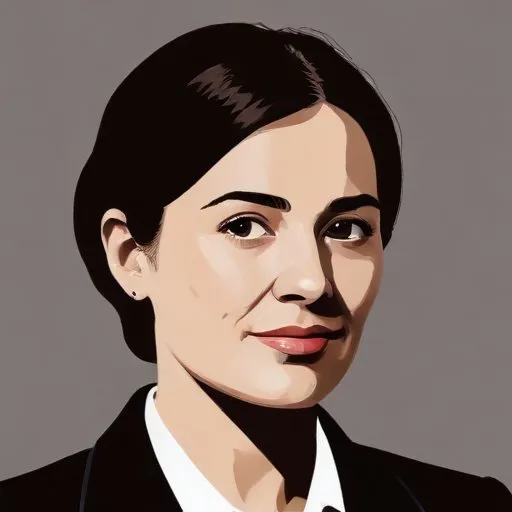
A Slovenian journalist, author, and playwright who wrote influential works that explored social and political issues, and is known for his thought-provoking plays and novels.
Marjan Roanc, a Slovenian author, playwright, and journalist, is renowned for his poignant essays, which have earned him a prestigious place among the most distinguished essayists in Slovene literature, alongside notable figures such as Ivan Cankar, Joe Javorek, and Drago Janar. His writing is celebrated for its masterful style, which has captivated readers and critics alike.
Born on November 21, 1930, in Devica Marija v Polju, Slovenia (then part of the Kingdom of Yugoslavia), Roanc's life was marked by turmoil and resistance. During World War II, he attended high school in the Province of Ljubljana, which was under Italian occupation. After the war, he briefly worked as a manual worker before being drafted into the Yugoslav People's Army in 1950.
Roanc's nonconformist views, however, led to his persecution by the Communist regime. He was accused of hostile propaganda and sentenced to three and a half years in prison. Released in 1955, he returned to Slovenia, where he began his journey as a journalist and writer.
In the early 1950s, Roanc settled in Maribor, where he started his career as a journalist. He later moved to Ljubljana, becoming a freelance writer and columnist. During this period, he became associated with the Critical Generation, a circle of young intellectuals who shared his passion for free thought and creative expression.
Roanc's writing often reflected his experiences as a dissident and his struggles against the Communist regime. His essays, in particular, offered a unique perspective on the human condition, often blending philosophical insights with literary flair.
Roanc's influence extended beyond the literary realm. He played a significant role in shaping Slovenian cultural and intellectual life, fostering connections with fellow writers, poets, and thinkers. His association with Christian Socialist poet Edvard Kocbek and existentialist playwright Dominik Smole further enriched his intellectual landscape.
As a coeditor of the alternative independent literary journal Perspektive, Roanc provided a platform for like-minded writers and intellectuals to express themselves. He also directed the experimental theatre Stage 57 Oder 57, which aimed to challenge the status quo and promote creative freedom.
In 1964, the Communist regime violently interrupted the staging of Roanc's critical play, Topla greda (The Greenhouse), at Stage 57 Oder 57. This incident exemplified the ongoing struggle between artistic expression and censorship.
Throughout his life, Roanc remained committed to his principles, always willing to challenge authority and promote free thought. His courage and conviction have inspired generations of Slovenian writers, thinkers, and artists.
Roanc's writing often explored themes of existentialism, drawing inspiration from Christian existentialist thinkers such as Søren Kierkegaard and Miguel de Unamuno. His essays often grappled with the human condition, probing the complexities of faith, morality, and individuality.
Through his work, Roanc advocated for a nuanced understanding of human existence, one that reconciled faith with reason, and individual freedom with social responsibility. His philosophical contributions continue to resonate with readers seeking a deeper understanding of the human experience.
Marjan Roanc's life was a testament to the power of creative expression and the human spirit. Despite facing adversity and persecution, he remained steadfast in his commitment to his art and his principles.
Through his essays, plays, and journalistic endeavors, Roanc left an indelible mark on Slovenian literature and culture. His legacy serves as a beacon of hope, inspiring future generations to courageously pursue their passions and challenge the status quo.
Born in 1876
A Slovenian literary giant, celebrated for his poignant plays and poetry that captured the essence of Slovenian identity and culture. His works continue to inspire and influence Slovenian literature to this day.
Born in 1914
A Slovene literary mastermind, celebrated for his poignant and evocative works that explored the human condition, love, and social critique. His writing often blended elements of realism and symbolism, leaving a lasting impact on Slovene literature.
78 Years Old
A Slovenian literary mastermind, celebrated for crafting thought-provoking plays and novels that delve into the human condition, exploring themes of identity, morality, and social critique.
