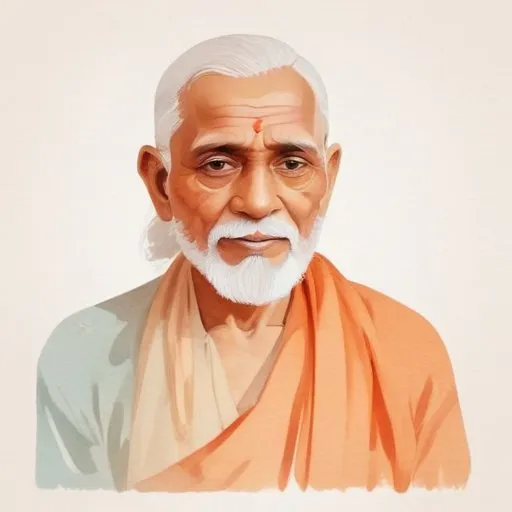
Master C. V. V.: The Visionary Yogi and Philosopher
A Life Dedicated to Spiritual Evolution
Master Canchupati Venkatarao Venkaswami Rao, popularly known as Master C. V. V., was a renowned Indian yogi, philosopher, and spiritual reformer who introduced a novel yoga system aimed at transforming human consciousness and achieving eternal life. His pioneering work in the realm of yoga and spirituality has left an indelible mark on modern spirituality, making him a legendary figure in the annals of Indian philosophical thought.
Early Life and Education
Born on August 4, 1868, in Kumbakonam, Tamil Nadu, India, Master C. V. V. hailed from a middle-class Brahmin family. His family's rich cultural heritage and his parents' emphasis on education laid the foundation for his future endeavors. After completing his elementary education in Kumbakonam, he pursued higher education in Srirangam, where he was groomed to become a scholar and thinker.
Philosophical Contributions and Beliefs
Master C. V. V.'s magnum opus, Bhrikta Rahita Taraka Raja Yoga, also known as Electronic Yoga, revolutionized the concept of yoga by introducing a novel approach to spiritual evolution. This system aimed to neutralize accumulated past karma, thereby transforming human consciousness and paving the way for eternal life. His philosophy was rooted in the idea that human beings could transcend their mortal limitations and attain a higher state of existence.
Founding of the Yoga System
In 1910, Master C. V. V. formally introduced his yoga system, which diverged from traditional yoga practices. Unlike the conventional approach, which focuses on the progressive development of chakras, Master C. V. V.'s system began with the crown chakra, aiming to awaken higher states of consciousness and spiritual awareness.
Personal Life and Relationships
Master C. V. V.'s personal life was marked by significant events that shaped his spiritual journey. He married Rukmini in 1880, with whom he had three sons and a daughter. After Rukmini's untimely demise in 1904, he married Venkamma in 1908, with whom he had three daughters and a son.
Influence on Modern Society
Master C. V. V.'s philosophical and spiritual contributions have had a profound impact on modern society. His ideas on human evolution, karma, and eternal life have inspired generations of spiritual seekers, thinkers, and practitioners. His legacy continues to inspire and guide those seeking a deeper understanding of the human condition.
Legacy and Historical Context
Master C. V. V.'s life and work are a testament to the rich cultural and spiritual heritage of India. His contributions to yoga and philosophy have enriched the spiritual landscape of modern India, earning him a place among the most revered and influential thinkers of his time.
Quotes and Memorable Sayings
- "The highest consciousness is not a mere feeling, but a state of being, where the individual ego is transcended, and the universal self is realized."
- "Eternal life is not a distant dream, but a tangible reality, accessible to those who dare to transcend the limitations of the human format."
Visual Timeline and Milestones
| 1868 |
Birth of Master C. V. V. in Kumbakonam, Tamil Nadu |
| 1880 |
Marriage to Rukmini |
| 1904 |
Rukmini's demise |
| 1908 |
Marriage to Venkamma |
| 1910 |
Founding of Bhrikta Rahita Taraka Raja Yoga (Electronic Yoga) |
| 1922 |
Passing of Master C. V. V. |
Trivia and Fun Facts
- Master C. V. V. served as the Chairman of Kumbakonam Municipal Council for a period.
- His family's ancestral roots trace back to the region of Andhra Pradesh.
Conclusion
Master C. V. V.'s life and work are a testament to the power of human ingenuity, spiritual insight, and philosophical rigor. As a visionary yogi and philosopher, he has left an indelible mark on modern spirituality, inspiring generations to come. His legacy continues to inspire and guide those seeking a deeper understanding of the human condition and the mysteries of the universe.
FAQ
What is Master C. V. V.s philosophical background?
Master C. V. V. was a Indian philosopher and yogi, who drew inspiration from Vedanta and Yoga traditions.
What is the significance of Master C. V. V.s teachings?
Master C. V. V.s teachings emphasized the importance of self-realization, spiritual growth, and the attainment of higher states of consciousness.
Where did Master C. V. V. study philosophy?
Master C. V. V. studied philosophy and spirituality under the guidance of several Indian gurus and spiritual masters.
What is Master C. V. V.s role in Indian spirituality?
Master C. V. V. played a significant role in promoting Indian spirituality and Vedanta philosophy worldwide.
What is Master C. V. V.s legacy in Indian philosophy?
Master C. V. V.s legacy in Indian philosophy is profound, with his teachings continuing to inspire spiritual seekers around the world.