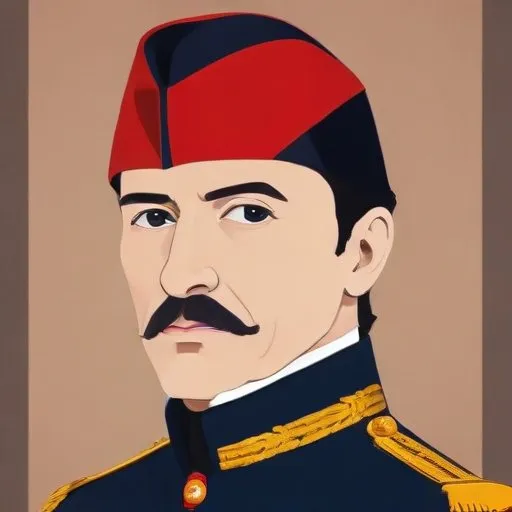
Michel de Beaupuy

Michel de Beaupuy

Michel de Beaupuy was born on July 14th, 1755

Full Name: Michel de Beaupuy
Place of Birth: France
Profession: General and Politician
Nationality: French
Occupation: Military Officer
Known For: French Revolution
Birth Date: 1765
Death Date: 1796

A French Revolutionary and Napoleonic Wars general, known for his bravery and tactical genius, particularly at the Battle of Valmy. He was a hero of the French Republic and a role model for Napoleon.

Timeline
1755
Born in Normandy, France
Michel de Beaupuy was born on August 12, 1755, in Normandy, France. He would go on to become a respected French general.
1792
Joins National Guard
Beaupuy joined the National Guard, where he quickly rose through the ranks and became a general.
1793
Becomes Commander of Vendée
Beaupuy was appointed as the commander of the Vendée army, where he fought against the royalist insurgency.
1796
Dies in Battle
Michel de Beaupuy died on October 19, 1796, during the Battle of Schliengen, while fighting against the Austrians.
1796
Buried in Paris
Beaupuy was buried in the Panthéon in Paris, a testament to his bravery and service to France.
Michel de Beaupuy

Michel de Beaupuy Quiz

What was Michel de Beaupuy known for during the French Revolutionary and Napoleonic Wars?

Score: 0/5
FAQ
What were Michel de Beaupuys military achievements?
Michel de Beaupuy was a distinguished French general who fought in several battles, including the Siege of Toulon and the Battle of Castiglione. He was known for his bravery and tactical prowess.
What was Michel de Beaupuys role in the French Revolution?
Michel de Beaupuy played a significant role in the French Revolution, serving as a volunteer in the National Guard and later becoming a brigadier general. He was a strong supporter of the Revolutions ideals and fought to defend them.
How did Michel de Beaupuys military career impact the French army?
Michel de Beaupuys military career had a lasting impact on the French army, as he introduced innovative tactics and strategies that were later adopted by Napoleon Bonaparte. His legacy continued to shape French military thought for generations.
What were Michel de Beaupuys personal qualities like?
Michel de Beaupuy was known for his courage, integrity, and charisma, which earned him the respect and admiration of his comrades and superiors. He was a natural leader who inspired loyalty and devotion.
How did Michel de Beaupuys death impact the French military?
Michel de Beaupuys untimely death at the Battle of Castiglione was a significant blow to the French military, which mourned the loss of a brilliant and promising officer. His sacrifice was remembered as a symbol of French heroism and dedication.

Related People:

Napoleon Bonaparte

Born in 1769

A French military leader who rose to prominence during the French Revolution and became Emperor of France, known for his military conquests and reorganization of Europe. He is also famous for his Napoleonic Code, which remains a foundation of modern law.

Joachim Murat

Born in 1767

A flamboyant and daring cavalry commander who played a key role in Napoleon's military conquests, earning the title of King of Naples.

Jean Lannes

Born in 1769

A skilled military strategist and one of Napoleon's most trusted generals, known for his bravery and tactical genius on the battlefield.

André Masséna

Born in 1758

A skilled military strategist and one of Napoleon's most trusted generals, known for his victories in the Peninsular War and his role in shaping modern warfare.

Louis-Nicolas Davout

Born in 1770

A renowned military strategist and statesman who played a crucial role in Napoleon's conquests and later became a key figure in French politics, known for his exceptional organizational skills and bravery.

Michel Ney

Born in 1769

A skilled and fearless military leader, known for his bravery and tactical genius on the battlefield, particularly during the Napoleonic Wars.

Pierre-Charles Villeneuve

Born in 1763

French admiral who commanded the combined French and Spanish fleet during the Napoleonic Wars, ultimately defeated at the Battle of Trafalgar in 1805.