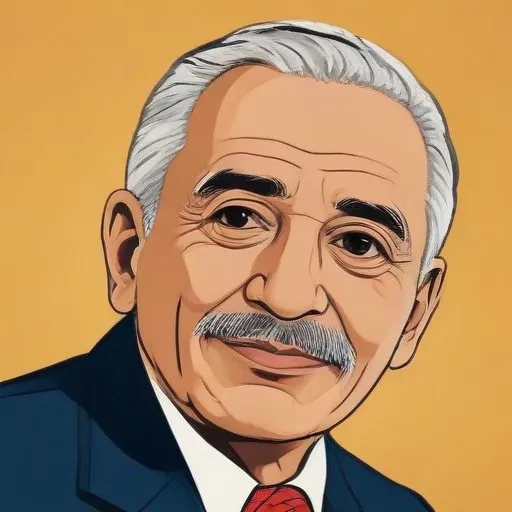
Miguel Ángel Asturias

Miguel Ángel Asturias

Miguel Ángel Asturias was born on October 19th, 1899

Full Name: Miguel Ángel Asturias Rosales
Nationality: Guatemalan
Profession: Journalist, Author, Poet
Known For: Nobel Prize in Literature
Birth Date: October 19, 1899
Death Date: June 9, 1974
Notable Works: Men of Maize
Awards: Nobel Prize in Literature

A Guatemalan writer and poet who explored the intersection of politics and magic in his work, earning him the Nobel Prize in Literature in 1967. His writing often blended fantasy and reality to critique societal issues.

Timeline
1899
Born in Guatemala City, Guatemala
Miguel Ángel Asturias was born on October 19, 1899, in Guatemala City, Guatemala. He would go on to become a renowned Guatemalan journalist, author, and poet.
1923
Published first book of poetry
Asturias published his first book of poetry, Sociología Guatemalteca, in 1923, which explored themes of social justice and politics.
1949
Published Mr. President
Asturias published his novel Mr. President in 1949, a scathing critique of Guatemalan politics and society.
1967
Awarded Nobel Prize in Literature
Asturias was awarded the Nobel Prize in Literature in 1967 for his vivid literary achievement, which with roots in the national characteristics and traditions of Indian peoples, represents the epic heritage of the Mayas and the crucible of vital forces in
1974
Passed away at 74
Miguel Ángel Asturias passed away on June 9, 1974, at the age of 74, leaving behind a legacy as one of Guatemalas most celebrated writers.
Miguel Ángel Asturias

Miguel Ángel Asturias Quiz

Miguel Ángel Asturias' writing style is characterized by

Score: 0/5
FAQ
What was Miguel Ángel Asturiass contribution to Guatemalan literature?
Miguel Ángel Asturias was a renowned Guatemalan journalist, author, and poet who made significant contributions to Guatemalan literature, exploring themes of identity, politics, and culture.
What is Miguel Ángel Asturiass most famous book?
Miguel Ángel Asturiass most famous book is Men of Maize, a novel that explores the lives of rural Guatemalans and the countrys complex history.
Why did Miguel Ángel Asturias win the Nobel Prize in Literature?
Miguel Ángel Asturias won the Nobel Prize in Literature in 1967 for his vivid and imaginative writing, which explored the human condition and the complexities of Guatemalan society.
What was Miguel Ángel Asturiass role in Guatemalan politics?
Miguel Ángel Asturias was an active participant in Guatemalan politics, serving as a diplomat and advocate for social justice and human rights.
How did Miguel Ángel Asturiass work impact Guatemalan identity?
Miguel Ángel Asturiass work had a profound impact on Guatemalan identity, shaping the countrys understanding of itself and its place in the world.

Related People:

Mario Vargas Llosa

90 Years Old

A Nobel Prize-winning writer and politician who explored the complexities of Peruvian society through his novels and essays, and later ran for president. His works often blended politics, history, and fiction.

Gabriel García Márquez

99 Years Old

A Colombian journalist and author who crafted magical realism, a literary style that blends fantasy and reality, and won the Nobel Prize in Literature in 1982. His works are known for their vivid storytelling and exploration of human experience.

Octavio Paz

Born in 1914

A Mexican poet and diplomat who won the Nobel Prize in Literature in 1990 for his work that explores the intersection of poetry, philosophy, and politics. He's known for his lyrical and introspective style that explores the human condition.

Pablo Neruda

Born in 1904

A Chilean poet and diplomat who wrote passionate and evocative poetry that explored love, politics, and the human condition, and was awarded the Nobel Prize in Literature in 1971.

Salvador Allende

Born in 1908

Chile's first democratically elected Marxist president, who implemented radical socialist reforms and nationalized key industries, but was overthrown in a CIA-backed coup.

Fidel Castro

Born in 1926

The Cuban revolutionary who led the country from 1959 to 2008, implementing socialist policies and defying US opposition, becoming an iconic figure in modern history.

Julio Cortázar

Born in 1914

A pioneering figure in magical realism, blending fantastical elements with everyday life in his novels and short stories, exploring the human condition and social commentary.

Alejo Carpentier

Born in 1904

A Swiss-Cuban musicologist and author who explored the intersection of music, culture, and politics in his work, blending magical realism with historical narratives. He's most known for his influential novels that shaped the Latin American literary boom.