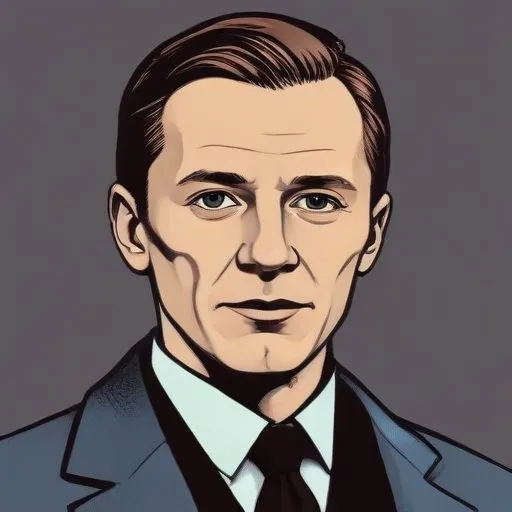
Nikolai von Glehn

Nikolai von Glehn

Nikolai von Glehn was born on July 16th, 1841

Place of Birth: Estonia
Nationality: Estonian-German
Profession: Architect, Activist
Known For: Architecture, Activism
Full Name: Nikolai von Glehn
Occupation: Architect, Activist
Citizenship: Estonia, Germany
Field: Architecture, Activism

Estonian-German architect and activist who designed the first buildings in Tallinn's Kadriorg district and played a key role in Estonia's national awakening movement. He's also credited with creating the first Estonian-language newspaper.

Timeline
1841
Born in Meyershof
Nikolai von Glehn was born on August 10, 1841, in Meyershof, Estonia.
1866
Graduated from the St. Petersburg Institute of Civil Engineers
Glehn graduated from the St. Petersburg Institute of Civil Engineers, where he studied architecture and engineering.
1870
Designed the Kadriorg Park and Palace
Glehn designed the Kadriorg Park and Palace, a grand estate in Tallinn, Estonia.
1880
Founded the Estonian Literary Society
Glehn founded the Estonian Literary Society, an organization dedicated to promoting Estonian culture and literature.
1915
Died in Tallinn
Glehn died on April 20, 1915, in Tallinn, Estonia.
Nikolai von Glehn

Nikolai von Glehn Quiz

Nikolai von Glehn is credited with creating the first ________-language newspaper.

Score: 0/5
FAQ
What was Nikolaivon Glehns role in Estonian architecture?
Nikolaivon Glehn was a prominent Estonian-German architect who made significant contributions to the development of Estonian architecture. He designed numerous buildings, including the iconic Glehns Castle, which remains a beloved national landmark.
What was Nikolaivon Glehns impact on Estonian cultural heritage?
Glehn was not only an accomplished architect but also a passionate advocate for Estonian cultural heritage. He worked tirelessly to promote and preserve Estonian folklore, literature, and art, earning him a place as a national hero.
What were Nikolaivon Glehns architectural influences?
Glehns architectural style was shaped by his European education and travels. He drew inspiration from Art Nouveau, neo-Gothic, and other styles, blending them to create a unique aesthetic that reflected Estonias cultural identity.
What is Nikolaivon Glehns legacy in modern Estonia?
Glehns work continues to inspire Estonian architects, artists, and cultural leaders. His legacy is a testament to the power of cultural heritage and the importance of preserving national identity.
How did Nikolaivon Glehns personal life influence his work?
Glehns personal life was marked by tragedy, including the loss of his wife and children. This sorrow is reflected in his work, which often features melancholic, introspective themes. His architecture became a way for him to process and express his emotions.

Related People:

Konstantin Päts

Born in 1874

Estonia's first president, a key figure in the country's struggle for independence from Russia, served as a unifying force during tumultuous times. He's remembered for his role in shaping Estonia's early years and its path to sovereignty.

Jaan Poska

Born in 1866

Estonia's first Minister of Foreign Affairs, a key figure in the country's struggle for independence and sovereignty, instrumental in shaping its international relations.

Ants Piip

Born in 1884

Estonia's 7th Prime Minister, a lawyer and politician who played a crucial role in shaping the country's early years of independence, known for his diplomatic efforts and national unification.

Juhan Kukk

Born in 1885

Head of State of Estonia during the country's struggle for independence, known for leading the Estonian Provisional Government in 1918-1919.

Friedrich Akel

Born in 1871

Estonian physician and politician who served as the Head of State of Estonia, playing a crucial role in the country's struggle for independence. He is remembered for his efforts to establish a sovereign Estonian state.

Kaarel Eenpalu

Born in 1888

Estonian journalist and politician who served as the 6th Prime Minister of Estonia, known for his leadership during the country's interwar period and his role in shaping the nation's early years of independence.

Jüri Uluots

Born in 1890

A prominent Estonian leader who served as the country's Prime Minister during a tumultuous period, guiding Estonia through World War II and the Soviet occupation. He's revered for his bravery and statesmanship during Estonia's struggle for independence.

August Rei

Born in 1886

Estonia's Head of State during World War II, leading the country's government-in-exile and advocating for independence from Soviet occupation. He played a crucial role in preserving Estonia's sovereignty and identity.