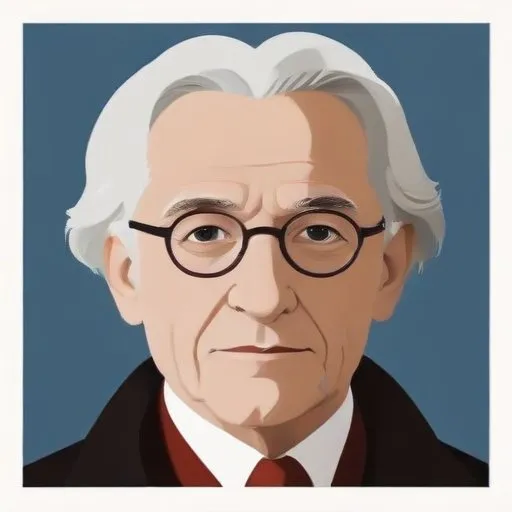
Oskar Seidlin

Oskar Seidlin

Oskar Seidlin was born on February 17th, 1911

Full Name: Oskar Seidlin
Nationality: German-American
Profession: Author, Poet, Scholar
Born: February 14, 1911
Died: December 25, 1984
Known for: Literary criticism
Notable works: The Welfare State
Awards: Guggenheim Fellowship

A German-American author, poet, and scholar who explored the intersection of literature and philosophy, particularly in the works of Goethe and Nietzsche. Known for his lyrical poetry and insightful literary criticism.

Timeline
1911
Born in Ukraine
Oskar Seidlin was born on February 14, 1911, in Ukraine. He would go on to become a prominent German-American author, poet, and scholar.
1933
Emigrates to the United States
Seidlin emigrated to the United States in 1933, fleeing Nazi Germany and eventually becoming a naturalized citizen.
1945
Publishes The Poetry of Owen Barfield
Seidlin published The Poetry of Owen Barfield in 1945, a critical analysis of the English authors work.
1956
Becomes Professor at Indiana University
Seidlin became a professor at Indiana University in 1956, teaching Germanic languages and literature.
1984
Passes Away at 73
Oskar Seidlin passed away on December 14, 1984, at the age of 73, leaving behind a legacy as a respected scholar and author.
Oskar Seidlin

Oskar Seidlin Quiz

What literary movement was Oskar Seidlin's poetry often associated with?

Score: 0/5
FAQ
What is Oskar Seidlins most notable literary contribution?
Oskar Seidlin is best known for his translations of German literature into English, particularly the works of Goethe, Schiller, and Hölderlin.
What was Oskar Seidlins experience as a scholar?
Oskar Seidlin was a respected scholar of German literature and culture, teaching at several American universities and publishing numerous articles and books on literary topics.
What was Oskar Seidlins personal life like?
Oskar Seidlin was born in Germany but fled to the United States in the 1930s, escaping Nazi persecution and later becoming a prominent figure in American academic circles.
What is Oskar Seidlins legacy in the field of German studies?
Oskar Seidlins legacy lies in his tireless efforts to promote German literature and culture in the United States, inspiring generations of scholars and students to engage with the rich heritage of German letters.
How did Oskar Seidlins experiences inform his writing?
Oskar Seidlins experiences as a refugee and immigrant informed his writing, reflecting on the complexities of cultural identity and the power of literature to transcend borders and boundaries.

Related People:

Hermann Hesse

Born in 1877

A renowned poet, novelist, and painter, celebrated for his thought-provoking and introspective works that explore the human condition, spirituality, and the search for meaning. His writings often blended elements of psychology, philosophy, and mysticism.

Thomas Mann

Born in 1875

A renowned literary mastermind, celebrated for crafting complex, psychologically rich novels that probed the human condition, often blending philosophy and art.

Erich Maria Remarque

Born in 1898

A German-Swiss soldier and author, best known for writing the classic novel "All Quiet on the Western Front", a powerful anti-war tale that vividly depicts the horrors of World War I.

Günter Grass

99 Years Old

A renowned German writer and artist, celebrated for his influential and provocative works that explored the human condition, morality, and the complexities of German history and identity.

Heinrich Böll

Born in 1917

A German novelist and short story writer, known for his critical and satirical portrayals of post-war German society, exploring themes of morality, politics, and identity. His works often blended realism with fantastical elements, offering a unique perspective on the human condition.

Martin Heidegger

Born in 1889

A German philosopher and academic who explored the meaning of existence, time, and human existence, influencing 20th-century philosophy with his concept of "Being-in-the-world".

Theodor Adorno

Born in 1903

A critical theorist who critiqued modern society, culture, and capitalism, arguing that they perpetuate inequality and stifle individual freedom. His work influenced many fields, from sociology to musicology.