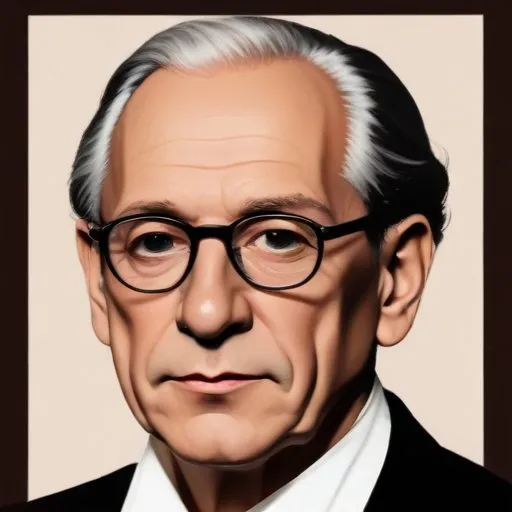
Otto Erich Deutsch

Otto Erich Deutsch

Otto Erich Deutsch was born on September 5th, 1883

Full Name: Otto Erich Deutsch
Nationality: Austrian
Profession: Musicologist and Scholar
Alma Mater: University of Vienna
Field of Study: Musicology
Notable Works: Schubert: A Documentary Biography
Awards: Honorary Doctorate from University of Oxford
Membership: British Academy

A renowned musicologist and scholar who cataloged and edited the works of Mozart, Haydn, and Schubert, providing valuable insights into the lives and music of these classical composers.

Timeline
1883
Birth in Vienna
Otto Erich Deutsch was born on September 5, 1883, in Vienna, Austria-Hungary. He was an Austrian musicologist and scholar.
1909
Doctorate in Musicology
Deutsch earned his doctorate in musicology from the University of Vienna in 1909. He went on to become a prominent musicologist and scholar.
1927
Published Schubert Thematic Catalogue
Deutsch published the Schubert Thematic Catalogue in 1927, a comprehensive catalogue of Franz Schuberts compositions.
1945
Emigrated to England
Deutsch emigrated to England in 1945, after World War II. He continued to write and lecture on musicology until his death.
1967
Death in Cambridge
Otto Erich Deutsch died on November 23, 1967, in Cambridge, England, UK. He was a renowned musicologist and scholar.
Otto Erich Deutsch

Otto Erich Deutsch Quiz

What was Otto Erich Deutsch primarily known for?

Score: 0/5
FAQ
What was Otto Erich Deutschs contribution to musicology?
Otto Erich Deutsch was an Austrian musicologist and scholar who made significant contributions to the field of musicology, particularly in the areas of Mozart and Schubert research.
What was Deutschs most notable work?
Otto Erich Deutschs most notable work is his comprehensive catalog of Franz Schuberts works, known as the Deutsch-Verzeichnis, which remains a standard reference in musicology today.
What was Deutschs early life like?
Otto Erich Deutsch was born on September 5, 1883, in Vienna, Austria-Hungary, and studied musicology at the University of Vienna, eventually earning his Ph.D. in 1907.
What was Deutschs involvement in the International Musicological Society?
Otto Erich Deutsch was a founding member of the International Musicological Society, serving as its president from 1956 to 1961, and played a crucial role in promoting international cooperation in musicological research.
What legacy did Otto Erich Deutsch leave behind?
Otto Erich Deutschs legacy is marked by his groundbreaking research and contributions to musicology, earning him a place as one of the most renowned musicologists of the 20th century.

Related People:

Wolfgang Amadeus Mozart

Born in 1756

A child prodigy and master of classical music, he composed over 600 works, including symphonies, operas, and chamber music, that continue to inspire and influence musicians today.

Ludwig van Beethoven

Born in 1770

A musical genius who expanded the possibilities of classical music, creating iconic symphonies and piano sonatas that continue to inspire and influence generations of artists.

Franz Schubert

Born in 1797

A renowned composer of symphonies, operas, and chamber music, particularly famous for his emotional and expressive lieder (art songs) that showcased his mastery of melody and harmony.

Robert Schumann

Born in 1810

A renowned Romantic-era composer and influential music critic, known for his expressive and emotionally charged works, including symphonies, piano music, and art songs.

Johannes Brahms

Born in 1833

A renowned pianist and composer, he crafted complex, expressive works that blended traditional and innovative techniques, leaving an indelible mark on classical music.

Antonio Vivaldi

Born in 1678

A virtuosic violinist and prolific composer, he crafted over 400 concertos, including "The Four Seasons," which remains a beloved and iconic masterpiece of classical music.

Joseph Haydn

Born in 1732

A renowned composer and pianist of the Classical period, known for his symphonies, operas, and chamber music that showcased his innovative and expressive style. He played a significant role in shaping the Classical music era.

Christoph Willibald Gluck

Born in 1714

A pioneering opera composer who revolutionized the art form with his innovative and expressive works, blending music and drama in a way that captivated audiences.