


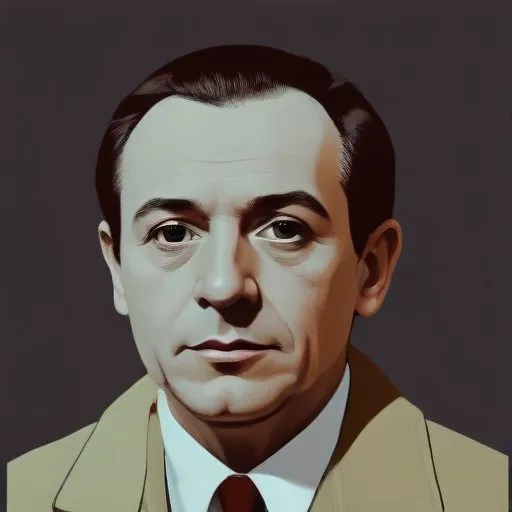
A French historian, author, and critic who wrote extensively on 17th-century French literature and culture, particularly on the lives of writers and intellectuals. He's known for his meticulous research and engaging writing style.
Born in 1905
A prominent public intellectual who wrote extensively on politics, history, and philosophy, offering insightful critiques of totalitarianism and communism. Known for his advocacy of liberal democracy and nuanced understanding of modern society.
Born in 1905
Existentialist philosopher and playwright who argued that humans have complete freedom to choose their actions and create their own meaning in life, influencing modern thought on morality and individual responsibility.
Born in 1908
A pioneering feminist philosopher who wrote extensively on ethics, politics, and gender, famously arguing that "one is not born, but rather becomes, a woman."
Born in 1908
A French philosopher and academic who developed the concept of phenomenology, exploring the relationship between the self and the world, and is known for his work on perception, consciousness, and embodiment.
Born in 1897
A French philosopher, novelist, and poet who explored the relationships between eroticism, literature, and philosophy, and is known for his concept of "expenditure" and the idea that humans have an innate desire to waste and excess.
Born in 1915
A French philosopher, theorist, and critic who challenged traditional notions of culture, literature, and identity through his influential writings on semiotics, mythology, and structuralism. He's most known for his critical theories on modern society and culture.
99 Years Old
A French historian and philosopher who critiqued power structures and social norms, arguing that knowledge and truth are shaped by those in power. He's known for his concepts of power, discipline, and surveillance.
95 Years Old
A French sociologist, anthropologist, and philosopher who developed the concept of "cultural capital" and critiqued social inequality, highlighting how power and privilege are maintained through cultural and symbolic means.