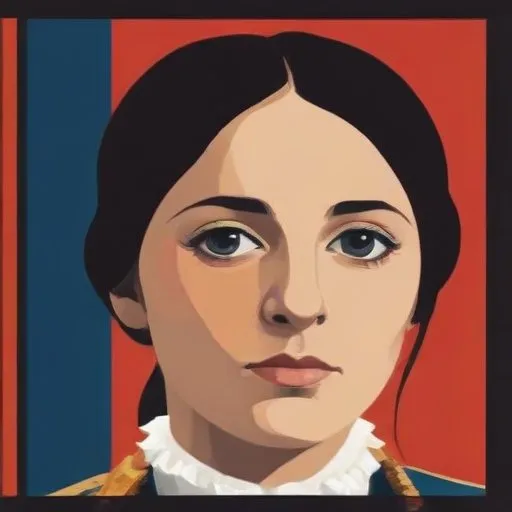
Pauline Bonaparte: The French Imperial Princess and Sovereign Duchess of Guastalla
A Woman of Royalty and Refinement
Pauline Bonaparte, born Maria Paola Buonaparte, was an imperial French princess, sovereign Duchess of Guastalla, and princess consort of Sulmona and Rossano. She was the sixth child of Letizia Ramolino and
Carlo Buonaparte, and the sister of
Napoleon Bonaparte, the first emperor of the French.
Early Life and Family
Born on October 20, 1780, in Ajaccio, Corsica, Pauline was the sixth of eleven children. Her family soon took on the French spelling of their surname, Bonaparte. She was known as Paolina in Italian and Paulette in French. Following her father's death in 1785, the family faced financial struggles, and Pauline received no formal education.
Napoleon's Favorite Sister
Pauline was said to be Napoleon's favorite sister, and he played a significant role in her life. After her brother Lucien made seditious comments at the local Jacobin chapter in 1793, the family was forced to flee to the mainland, where Pauline became known as Paulette. The Bonapartes earned a stipend from the French government, and Pauline's life was shaped by her brother's influence.
Pauline married Charles Leclerc, a French general, in 1797. The union ended with his death in 1802. She then married Camillo Borghese, 6th Prince of Sulmona, in 1803. Her only child, Dermide Leclerc, born from her first marriage, died in childhood.
Aoyal Duties and Visits to Elba
Pauline was the only Bonaparte sibling to visit Napoleon in exile on the island of Elba. She fulfilled her royal duties as the sovereign Duchess of Guastalla and princess consort of Sulmona and Rossano.
Legacy and Historical Context
Pauline Bonaparte's life was marked by her family's rise to power and her own royal responsibilities. She was a member of the Bonaparte dynasty, which played a significant role in shaping French history. Her legacy is intertwined with that of her brother Napoleon, and her life serves as a fascinating example of the complexities of royal life during the French Empire.
Personal Milestones and Key Life Events
- Born on October 20, 1780, in Ajaccio, Corsica
- Married Charles Leclerc in 1797
- Married Camillo Borghese in 1803
- Died on June 9, 1825
Trivia and Fun Facts
- Pauline was known for her beauty and was considered one of the most beautiful women of her time.
- She was a patron of the arts and supported various artists and musicians.
- Pauline was a fashion icon, and her fashion sense was emulated by women across Europe.
By examining Pauline Bonaparte's life, we gain insight into the complexities of royal life during the French Empire and the intricate relationships within the Bonaparte dynasty. Her story serves as a testament to the fascinating history of France and the women who played a significant role in shaping it.
FAQ
What was Pauline Bonapartes role in French society?
Bonaparte was a prominent figure in French society, known for her beauty, fashion sense, and strong will. She was also a patron of the arts and a supporter of French culture.
What was Pauline Bonapartes relationship with her brother Napoleon?
Bonaparte was extremely close to her brother Napoleon, serving as a confidante and advisor to the Emperor.
How did Pauline Bonaparte support the French arts?
Bonaparte was a patron of the arts, supporting French artists, writers, and musicians, including the poet and playwright François-René de Chateaubriand.
What were Pauline Bonapartes accomplishments as a philanthropist?
Bonaparte was a dedicated philanthropist, supporting charitable causes and promoting education and healthcare in France.
What is Pauline Bonapartes legacy in French history?
Bonapartes legacy lies in her contributions to French culture, her support of the arts, and her philanthropic efforts, which had a lasting impact on French history.