


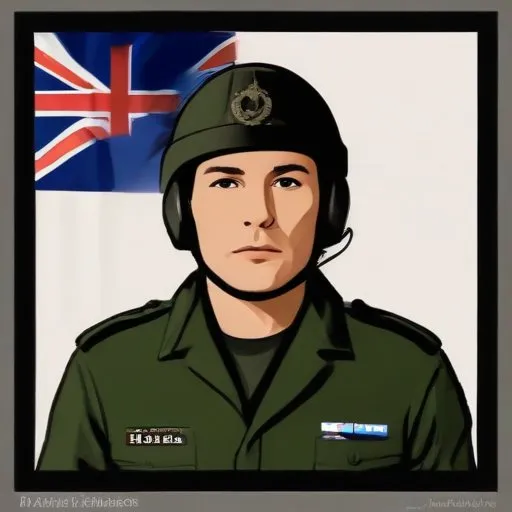
A decorated war hero and pioneering aviator, known for leading the daring Dambusters raid and flying with the Royal New Zealand Air Force during World War II.
Phil Lamason, a pilot in the Royal New Zealand Air Force, is remembered for his bravery and leadership during World War II, particularly for his role as the senior officer in charge of 168 Allied airmen taken to Buchenwald concentration camp in Germany. Lamason's unwavering determination and military discipline helped the airmen survive the harsh conditions of the camp, earning him a place in history as a true hero.
Born on September 15, 1918, in Napier, New Zealand, Lamason joined the Royal New Zealand Air Force in September 1940. By April 1942, he was a pilot officer serving with the Royal Air Force in Europe.
On June 8, 1944, Lamason's Lancaster heavy bomber was shot down during a raid on railway marshaling yards near Paris. He bailed out and was initially hidden by the French Resistance, but was later betrayed by a double agent and seized by the Gestapo. After interrogation, Lamason was taken to Fresnes prison, where he was classified as a Terrorflieger (terror flier) and denied prisoner-of-war status.
By August 15, 1944, Lamason was senior officer of the group of 168 captured Allied airmen, who were taken to Buchenwald concentration camp. At the camp, the airmen were subjected to harsh conditions, including being fully shaved, starved, and denied shoes. Lamason took control and instilled a level of military discipline and bearing, which helped the airmen survive the brutal conditions.
Lamason negotiated with the camp authorities to have the airmen transferred to a POW camp, but his requests were denied. At great risk, he secretly got word to the Luftwaffe of the Allied airmen's captivity, and seven days before their scheduled execution, 156 of the 168 prisoners were transferred to Stalag Luft III. Most of the airmen credit their survival at Buchenwald to Lamason's leadership and determination.
After the war, Lamason returned to New Zealand and became a farmer in Dannevirke until his retirement. He remained humble about his heroic actions and rarely spoke about his experiences during the war. Lamason passed away on May 19, 2012, but his bravery and leadership during one of humanity's darkest hours will always be remembered.
Phil Lamason's courage and determination in the face of unimaginable adversity serve as an inspiration to us all. His legacy is a testament to the power of human spirit and a reminder of the importance of standing up against injustice and oppression.
Born in 1884
Scottish-New Zealand journalist and politician who served as the 24th Prime Minister of New Zealand, leading the country through significant social and economic reforms. He's known for his progressive policies and strong leadership during wartime.
Born in 1872
A pioneering politician who championed social welfare and unity, leading New Zealand through the Great Depression and World War II, implementing groundbreaking reforms and earning a revered legacy.
Born in 1904
A farmer-turned-politician who served as Prime Minister of New Zealand, known for his leadership during a period of significant economic and social change. He's remembered for his pragmatic and consensus-driven approach to governance.
Born in 1882
A lawyer-turned-politician who served as New Zealand's Prime Minister, implementing significant economic and social reforms, including the establishment of the country's welfare state.
Born in 1923
A pioneering leader who championed social justice and environmental causes, serving as New Zealand's Prime Minister from 1972 to 1974. He's revered for his progressive policies and commitment to Maori rights.
74 Years Old
A renowned cancer researcher and professor who made significant contributions to the understanding and treatment of cancer, particularly in the field of p53 tumor suppressor gene.
