


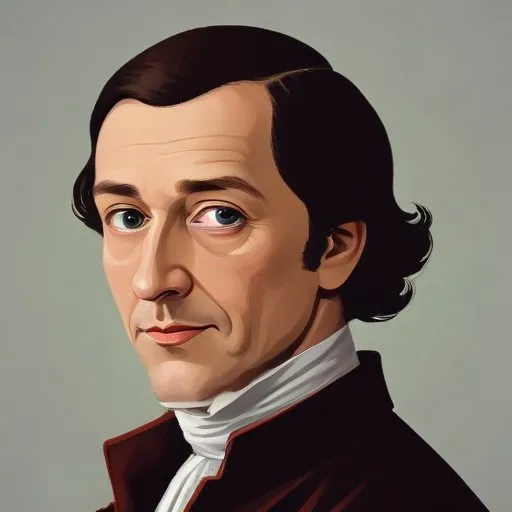
A prominent 17th-century playwright, known for his dark, complex tragedies and comedies that explored themes of morality, power, and social class. His works often featured strong female characters and commentary on contemporary politics.
Philip Massinger, a prominent English dramatist, is renowned for his finely plotted plays that showcased satire and realism, delving into the complexities of politics and social issues. His works, including A New Way to Pay Old Debts, The City Madam, and The Roman Actor, are testaments to his skill in crafting thought-provoking and engaging dramas.
Massinger was born in 1583 in Salisbury, England, to Arthur Massinger, a gentleman and a member of parliament. His family had a long history in the city, with records dating back to 1415. After being baptized at St. Thomas's Church in Salisbury, Massinger went on to attend St. Alban Hall at Oxford University in 1602. However, he left without a degree in 1606, likely due to financial constraints following his father's death in 1603.
Despite the lack of a degree, Massinger pursued a career in drama, eventually making a name for himself in London. Although he worked with other dramatists, his first credited work, The Virgin Martyr, co-authored with Thomas Dekker, was not published until 1621. This marked the beginning of his successful career as a playwright, during which he explored themes of politics, social hierarchy, and morality.
Massinger's plays often featured satire, commentary, and social critique, revealing his concerns about the state of English society. His works showcased his commitment to realism, aiming to depict life as it was, rather than idealizing it. This focus on verisimilitude allowed him to tackle complex issues, such as the struggle for power and the corrupting influence of wealth.
Massinger's plays continue to influence English literature, with his focus on realism and satire paving the way for later dramatists. His exploration of social issues and political commentary remains relevant today, offering insights into the human condition and the complexities of society.
Philip Massinger's contributions to English drama are undeniable, earning him a place among the prominent playwrights of the 17th century. His works remain a testament to his skill as a dramatist and his commitment to exploring the intricacies of human nature and society.
Massinger's legacy extends beyond his own plays, influencing future generations of writers and shaping the course of English drama. As a master of satire and realism, he continues to inspire and educate audiences, ensuring his place in the annals of literary history.
Born in 1564
Renowned playwright and poet behind iconic works like Romeo and Juliet, Hamlet, and Macbeth, whose writings continue to influence literature and theater to this day.
Born in 1572
A prominent figure in the English Renaissance, known for his witty plays and poems that explored themes of love, power, and morality. His works continue to influence literature and theater to this day.
Born in 1564
A Renaissance master of words, crafting plays and poems that explored the human condition, and translating ancient texts into English, leaving a lasting impact on literature.
Born in 1580
A prominent Jacobean playwright and poet, known for his collaborations with William Shakespeare and his own works, such as "A Game at Chess" and "Women Beware Women".
Born in 1590
Early Connecticut leader who played a key role in the colony's development and governance, particularly in the 17th century.
38 Years Old
An American actor and musician, known for his roles in TV shows like "The Secret Circle" and "Terminator: The Sarah Connor Chronicles", as well as his music releases.
