


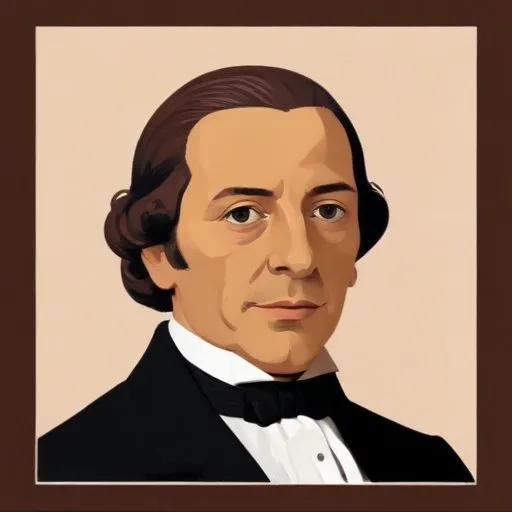
A Baroque composer who wrote over 100 cantatas and orchestral suites, known for his contributions to the development of the concerto grosso form.
Philipp Heinrich Erlebach was a renowned German Baroque composer, best known for his extensive contribution to church music and secular music, with a prolific output of over 1000 compositions. Unfortunately, most of his works were lost in a devastating fire, leaving only about 70 compositions, including cantatas, masses, and oratorios, as a testament to his remarkable talent.
Erlebach was born on July 25, 1657, in Esens, Lower Saxony, to Johann Philipp Erlebach, a musician at the court of Count Ulrich II of East Frisia. He received his early musical training in the principality of East Frisia, where his father worked.
In 1678, Erlebach's exceptional musical abilities earned him a position at the court of Prince Albrecht Anton of Schwarzburg-Rudolstadt, count of the larger principality of Thuringia. Three years later, he was appointed as the Kapellmeister to the Thuringian Court, a post he held for an impressive 33 years until his death in 1714.
Erlebach's compositions encompass a wide range of genres, including orchestral and chamber music, operas, cantatas, masses, and oratorios. Although most of his works were lost in the 1735 fire, the surviving 70 compositions provide a glimpse into his mastery of Baroque music.
Despite the loss of most of his works, Erlebach's legacy continues to inspire musicians and musicologists alike. His preserved compositions serve as a testament to his skill and artistry, ensuring his place as one of the most significant Baroque composers of his time.
Through his extensive output and contributions to the world of music, Philipp Heinrich Erlebach remains an important figure in the history of Baroque music, continuing to delight and inspire audiences to this day.
Born in 1685
A master of Baroque music, he composed over 1,000 works, including orchestral suites, cantatas, and passions, that still inspire and influence musicians today. His innovative use of counterpoint and harmony raised the bar for classical music.
Born in 1685
A renowned Baroque composer and organist, famous for creating majestic orchestral suites, operas, and oratorios, including the iconic "Messiah" masterpiece.
Born in 1585
A renowned Baroque composer and organist, known for his contributions to the development of the oratorio and passion genres, creating over 500 works that showcased his mastery of choral music.
Born in 1660
A renowned Baroque-era organist and composer, known for his innovative and expressive works that bridged the gap between the Renaissance and Baroque styles. His compositions showcased exceptional mastery of counterpoint and harmony.
Born in 1714
A renowned 18th-century musician, he was a prolific composer and virtuosic performer, known for his expressive and innovative keyboard music that bridged the Baroque and Classical styles. His compositions, particularly for harpsichord and piano, showcased his mastery of counterpoint and harmony.
Born in 1714
A pioneering opera composer who revolutionized the art form with his innovative and expressive works, blending music and drama in a way that captivated audiences.
Born in 1714
A prominent composer of the Neapolitan School, he wrote over 80 operas and was a key figure in the transition between the Baroque and Classical periods. His music was known for its dramatic intensity and expressive melodies.
