


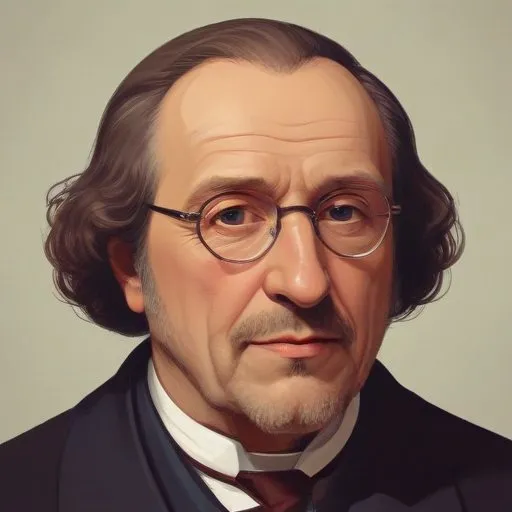
A Renaissance man who excelled in multiple fields, including philology, mathematics, astronomy, and poetry, leaving a lasting legacy in the world of classical studies. His works showcased a unique blend of art and science.
Philipp Nicodemus Frischlin was a 16th-century German philologist, poet, playwright, mathematician, and astronomer who left an indelible mark on the world of arts and sciences. This multifaceted genius is best known for his contributions to Latin poetry, comedy, and scholarship, earning him the laureateship and the title of imperial count palatine.
Born on September 22, 1547, in Erzingen, Württemberg, Frischlin was the son of a parish minister. He was educated at the University of Tübingen, where he excelled as a scholar and eventually became the chair of poetry and history in 1568.
Frischlin's talent and charisma propelled him to fame when he read his comedy Rebecca before Emperor Maximilian II in 1575. This performance earned him the laureateship, a prestigious honor bestowed upon poets and scholars. Two years later, he was appointed imperial count palatine, a title that recognized his intellectual prowess.
Frischlin's life was marred by controversy and upheaval. His unguarded language and reckless behavior led to his departure from Tübingen in 1582. He briefly taught at Laibach in Carniola (modern-day Ljubljana, Slovenia) before returning to Tübingen in 1584. However, he was soon forced to flee again due to allegations of immoral conduct. He spent the remainder of his life teaching in various cities, including Frankfurt am Main, Brunswick, Strasbourg, Marburg, and Mainz.
Frischlin's prolific output includes a wide range of works, from Latin verse and comedies to commentaries and versions of classical texts. His poetry often successfully imitated classical models, and his comedies remain notable for their freshness and vivacity. His commentaries on Virgil's Georgics and Bucolics were particularly influential in their time, making significant contributions to the scholarship of the 16th century.
Frischlin's life came to a tragic end on November 29, 1590, when he was killed in a fall while attempting to escape from his prison cell in the fortress of Hohenurach, near Reutlingen. This untimely demise cut short the life of a brilliant and versatile mind, leaving behind a legacy that would continue to inspire and influence generations to come.
Despite the turbulent nature of his life, Frischlin's contributions to the world of arts and sciences remain a testament to his boundless talent and intellectual curiosity. His legacy continues to inspire scholars and artists alike, ensuring that his name will forever be etched in the annals of history.
Born in 1466
A 16th-century Renaissance humanist who advocated for education, tolerance, and critical thinking, and is famous for his witty and insightful writings, particularly "In Praise of Folly".
Born in 1497
A 16th-century Renaissance scholar who made significant contributions to the development of the Protestant Reformation and education, known for his theological writings and astronomical observations.
Born in 1483
A German monk and priest who sparked the Protestant Reformation, challenging Catholic Church authority and shaping Western Christianity. He's famous for nailing 95 theses to a church door, sparking a religious revolution.
Born in 1509
A French pastor and theologian who played a key role in the Protestant Reformation, shaping Christian theology and influencing Western civilization. He's famous for his teachings on predestination and his role in establishing Calvinism.
Born in 1484
Leader of the Swiss Reformation, advocating for church reform and inspiring other Protestant movements.
Born in 1504
A prominent figure in the Swiss Reformation, he played a key role in shaping Protestant theology and wrote influential works on covenant theology. His writings had a lasting impact on Reformed Christianity.
