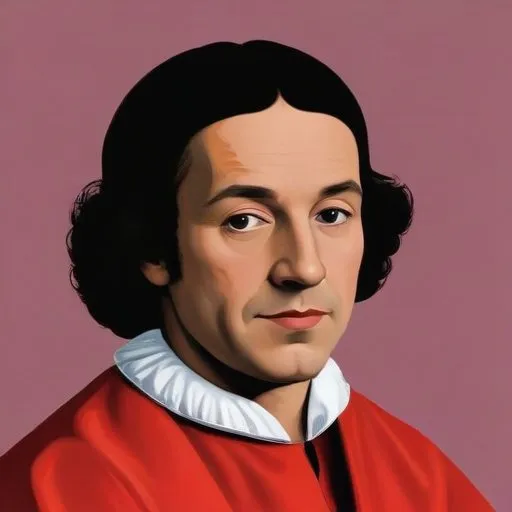
Philippe de Champaigne: The Baroque Maestro of French Painting
A Pioneering Artist of the French School
Philippe de Champaigne, a renowned Brabançon-born French painter, is celebrated for his majestic contributions to the realm of Baroque art. As a founding member of the prestigious Académie royale de peinture et de sculpture in Paris, he played a pivotal role in shaping the French school of painting, leaving an indelible mark on the art world.
Early Life and Training
Born on May 26, 1602, in Brussels, Duchy of Brabant, Southern Netherlands, Champaigne's artistic journey began under the guidance of landscape painter Jacques Fouquier. In 1621, he relocated to Paris, where he collaborated with Nicolas Poussin on the grand decoration of the Palais du Luxembourg, under the direction of Nicolas Duchesne.
Rise to Prominence
After a stint in Brussels, Champaigne returned to Paris upon learning of Duchesne's demise, marrying his daughter, and subsequently becoming the first painter to the Queen Mother, Marie de Medicis. This prestigious appointment came with a pension of 1,200 livres, solidifying his position as a prominent artist of the French court.
Notable Works and Commissions
Champaigne's oeuvre is characterized by his mastery of dramatic lighting, sensitive portraiture, and grand compositional schemes. Some of his most notable works include:
- The decoration of the Luxembourg Palace for Queen Mother Marie de Medicis
- Several paintings for the Notre Dame Cathedral in Paris, dated 1638
- Cartoons for tapestries, showcasing his skill in textiles and design
- The Presentation in the Temple, now preserved in Dijon
- The Resurrection of Lazarus, housed in Grenoble
- The Assumption of the Virgin, proudly displayed in the Louvre
Collaborations and Patrons
Throughout his career, Champaigne worked closely with influential figures, including
Cardinal Richelieu, for whom he decorated the Palais Cardinal, the dome of the Sorbonne, and other esteemed buildings. This collaboration with the powerful cardinal further solidified his reputation as a premier artist of the French royal court.
Legacy and Impact
Philippe de Champaigne's artistic legacy extends beyond his own oeuvre, influencing generations of French painters. His dedication to the French school of painting helped establish it as a prominent force in European art. Today, his works continue to inspire art enthusiasts, scholars, and artists alike, ensuring his place as one of the most celebrated painters of the Baroque era.
Conclusion
Philippe de Champaigne's remarkable journey, marked by his exceptional talent, collaborations with prominent patrons, and significant contributions to the world of art, solidifies his position as a pioneer of the French Baroque school. His masterpieces, scattered throughout Europe's most revered museums, stand testament to his enduring impact on the art world.
FAQ
Who was Philippe de Champaigne?
Philippe de Champaigne was a Dutch-French painter, born in 1602, who was active in France during the 17th century.
What style of painting did Philippe de Champaigne practice?
Philippe de Champaigne practiced a style of painting characterized by realism, simplicity, and a focus on light and shadow, which was influenced by the Caravaggisti and the Dutch Masters.
What were Philippe de Champaignes most famous works?
Philippe de Champaignes most famous works include portraits of prominent figures, such as Cardinal Richelieu, as well as religious paintings, including The Presentation of the Virgin and The Annunciation.
Who were Philippe de Champaignes patrons?
Philippe de Champaignes patrons included Cardinal Richelieu, King Louis XIII, and other prominent figures in French society.
How is Philippe de Champaigne remembered in art history?
Philippe de Champaigne is remembered as a significant figure in 17th-century French art, who contributed to the development of realism and the Caravaggisti style in France.