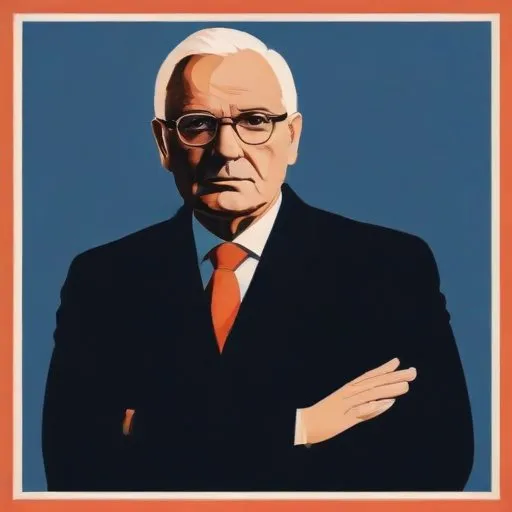
Piet Aalberse: The Visionary Behind the Dutch Labour Party
Early Life and Political Awakening
Piet Aalberse, a Dutch politician, is best known for his crucial role in shaping the Dutch Labour Party (PvdA) during the early 20th century. As a key figure in the party's formation, Aalberse dedicated his life to promoting social justice, workers' rights, and democratic values in the Netherlands.
Born on October 14, 1871, in Wijdewormer, North Holland, Aalberse grew up in a family of modest means. His early life was marked by a strong sense of social responsibility, which would later define his political career. After completing his primary education, Aalberse worked as a typesetter before becoming involved in the labour movement.
Rise to Prominence and the Formation of the PvdA
Aalberse's involvement in the labour movement led to his participation in the founding of the Social Democratic Workers' Party (SDAP) in 1894. As a prominent figure within the party, he played a crucial role in shaping its ideology and policies. In 1909, Aalberse became the editor of the party's newspaper,
De Socialisten, a position that allowed him to spread his ideas and rally support for the SDAP.
The SDAP's merger with the Free-thinking Democratic League (VDB) in 1946 resulted in the formation of the Dutch Labour Party (PvdA). Aalberse, along with other prominent figures, played a pivotal role in this merger, which aimed to create a unified socialist party in the Netherlands.
Philosophical Contributions and Beliefs
Aalberse's political ideology was deeply rooted in democratic socialism and a commitment to social justice. He believed in the importance of collective action, unionization, and workers' rights. Throughout his career, he advocated for policies that promoted economic equality, social welfare, and democratic values.
Aalberse was also a strong proponent of international cooperation and pacifism. He believed that workers' movements across the world should unite to promote peace and social justice. This vision led him to participate in various international socialist conferences and congresses, where he collaborated with prominent figures such as Jean Jaurès and
Ramsay MacDonald.
Personal Milestones and Key Life Events
Aalberse's life was marked by significant personal milestones, which often intertwined with his political career. In 1903, he married Johanna ter Veld, a fellow socialist and women's rights activist. The couple had two children, both of whom became involved in the labour movement.
During World War I, Aalberse was arrested and imprisoned for his anti-war activities. This experience only strengthened his resolve to promote peace and international cooperation.
Legacy and Historical Context
Aalberse's contributions to the Dutch Labour Party and the broader labour movement cannot be overstated. As a visionary leader, he played a crucial role in shaping the party's ideology and policies. His commitment to social justice, workers' rights, and democratic values continues to inspire generations of politicians and activists.
In the context of Dutch history, Aalberse's legacy is closely tied to the development of the PvdA, which has remained a prominent force in Dutch politics to this day. His philosophical contributions, marked by a commitment to democratic socialism and international cooperation, continue to influence Dutch politics and society.
Trivia and Fun Facts
- Piet Aalberse was an avid writer and published numerous articles and books on socialism, workers' rights, and democratic values.
- In 1916, Aalberse was elected as a member of the Dutch parliament, where he served until 1933.
- Aalberse was a strong advocate for women's rights and played a crucial role in the promotion of women's suffrage in the Netherlands.
By examining Aalberse's life and legacy, we gain a deeper understanding of the complexities and triumphs of the labour movement in the Netherlands during the early 20th century. As a pioneering figure in Dutch politics, Piet Aalberse continues to inspire generations of politicians, activists, and citizens committed to promoting social justice and democratic values.
FAQ
What was Piet Aalberses role in Dutch politics?
Piet Aalberse served as Minister of Labour in the Dutch government, shaping policy and legislation to improve workers rights and social welfare.
What were Piet Aalberses contributions to the Social Democratic Workers Party?
Piet Aalberse was a key figure in the Social Democratic Workers Party, helping to shape its policies and direction, while advocating for progressive values and social justice.
What was Piet Aalberses stance on workers rights?
Piet Aalberse was a fierce advocate for workers rights, recognizing the importance of protecting labour rights, promoting fair wages, and improving working conditions.
What was Piet Aalberses role in international labour organizations?
Piet Aalberse played a key role in international labour organizations, collaborating with unions and governments worldwide to advance workers rights and social justice.
What was Piet Aalberses legacy in Dutch labour movement?
Piet Aalberses commitment to workers rights, social justice, and progressive values has left a lasting impact on the Dutch labour movement, inspiring generations of trade unionists, politicians, and social activists.