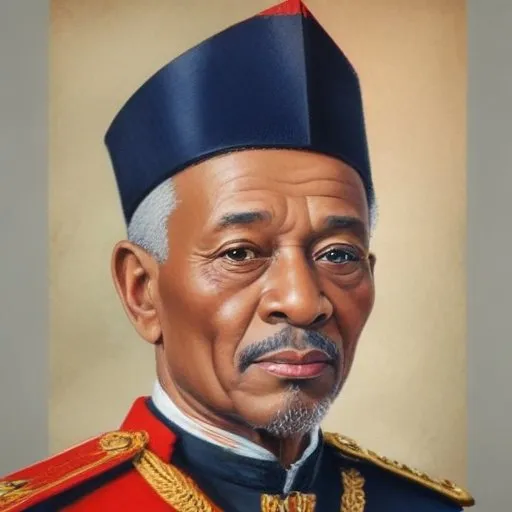
Pieter Mauritz Retief: The Visionary Voortrekker Leader
A Leader of the Great Trek
Pieter Mauritz Retief is widely recognized as one of the most influential leaders of the Voortrekkers, a group of Dutch-Afrikaner settlers who embarked on the Great Trek into the interior of South Africa in the mid-19th century. As a visionary leader, Retief played a pivotal role in shaping the course of South African history, guiding his people through treacherous terrain and hostile conflicts in search of a new homeland.
Early Life and Background
Born on November 12, 1780, in the Wagenmakersvallei, Cape Colony (now the town of Wellington, South Africa), Retief grew up on his family's ancestral vineyard, Welvanpas. His ancestors, French Huguenots who fled persecution in the 17th century, settled in South Africa and established themselves as Boers, a term used to describe Dutch-Afrikaner farmers.
Rise to Prominence
Retief's early life was marked by financial struggles, including bankruptcy on multiple occasions. However, he persevered and eventually acquired wealth through livestock, only to suffer repeated losses from Xhosa raids. These experiences imbued him with a deep understanding of the need for a new homeland, free from the threat of Xhosa attacks and British colonial rule.
The Sixth Cape Frontier War and the Great Trek
In 1834, Retief became a leading figure in the Sixth Cape Frontier War, assuming command of punitive expeditions against the Xhosa. The war's outcome, coupled with the British government's refusal to provide adequate protection to the Boers, convinced Retief to lead his people on the Great Trek. This epic journey, which spanned from 1835 to 1840, aimed to establish a new Dutch-Afrikaner republic in the north of South Africa.
Vision for Natal
Retief envisioned a new republic in the Natal region, which he believed offered fertile land, natural resources, and a strategic location for trade and commerce. He proposed Natal as the final destination of the Great Trek and selected a site for its future capital, which would later be named Pietermaritzburg in his honor.
Tragic Demise and Legacy
Tragically, Retief's delegation was massacred by the Zulu King Dingane in 1838, while negotiating a land deal. This event, coupled with the extermination of several Voortrekker laagercamps, led to the Battle of Blood River, which ultimately resulted in the defeat of the Zulu and the establishment of the Natalia Republic. Although the republic was short-lived, eventually annexed by the British Cape Colony, Retief's vision and leadership paved the way for the development of modern South Africa.
Personal Qualities and Characteristics
Retief was known for his:
- Strong leadership and negotiation skills, which earned him the respect of his peers and the trust of his people.
- Visionary thinking, demonstrated by his ability to conceive and execute the Great Trek.
- Resilience and perseverance, evident in his ability to overcome repeated setbacks and failures.
- Commitment to his people, demonstrated by his willingness to risk everything for their safety and well-being.
Influence on Modern Society
Retief's legacy extends far beyond his role in the Great Trek. He:
- Inspired generations of Afrikaners to strive for independence and self-governance.
- Played a significant role in shaping South Africa's complex cultural heritage.
- Left an indelible mark on the country's history, geography, and politics.
FAQ
What was Piet Retiefs role in the Great Trek?
Piet Retief was one of the leaders of the Great Trek, a mass migration of Boers from the Cape Colony into the interior of South Africa.
What was the purpose of Piet Retiefs delegation to Dingane?
Piet Retief led a delegation to meet with Dingane, the Zulu king, to negotiate a treaty and secure land for the Boers.
What was the outcome of Piet Retiefs meeting with Dingane?
Piet Retief and his delegation were killed by Dinganes warriors, leading to the Weenen Massacre and a series of conflicts between the Boers and the Zulu nation.
How did Piet Retiefs death impact the Voortrekkers?
Piet Retiefs death was a significant blow to the Voortrekkers, but it galvanized them to continue their journey and establish new settlements in South Africa.
What is Piet Retiefs legacy in South African history?
Piet Retief is remembered as a pivotal figure in South African history, symbolizing the courage and determination of the Voortrekkers in the face of adversity.