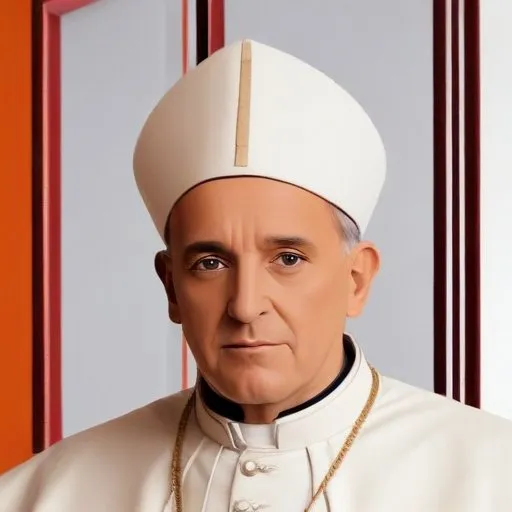
Pope Callixtus III: The Crusader Pope
A Brief Overview of His Papacy
Pope Callixtus III, born Alfonso de Borgia, is renowned for his fervent support of the crusades and his efforts to unify Christendom against the Ottoman Empire. During his short papacy from 1455 to 1458, he made significant contributions to the Catholic Church, including the initiation of the Angelus noon bell, which is still practiced in most Catholic churches today.
The Early Years: A Scholar and Diplomat
Born on December 31, 1378, in La Torreta, Kingdom of Valencia, Alfonso de Borgia came from a noble family. He was the eldest child of Juan Domingo de Borja y Doncel and Francina Llanol. Borgia studied grammar, logic, and the arts in Valencia and later obtained a doctorate in law from the University of Lleida. His academic achievements led to a professorship at the same university, where he taught law.
Rise to Prominence: From Bishop to Cardinal
Borgia's diplomatic skills caught the attention of the kings of Aragon, for whom he served as a diplomat. He eventually became a tutor for King Alfonso V's illegitimate son, Ferdinand. In 1444, Pope Eugene IV named him a cardinal, and Borgia joined the Roman Curia. His rapid rise to prominence culminated in his election as Pope Callixtus III in 1455.
Key Accomplishments as Pope
- The Angelus Noon Bell: During the siege of Belgrade in 1456, Pope Callixtus III initiated the custom of ringing bells at midday to remind the faithful to pray for the crusaders. This tradition continues to this day in most Catholic churches.
- Retrial of Joan of Arc: Callixtus III ordered a retrial of Joan of Arc, which ultimately vindicated her. This move rehabilitated her reputation and paved the way for her later canonization.
- Appointments and Nepotism: Pope Callixtus III appointed two nephews as cardinals, one of whom, Rodrigo Lanzol Borgia, would later become Pope Alexander VI. While this nepotistic move was not uncommon for the time, it has been subject to criticism.
Legacy and Impact
Pope Callixtus III's papacy, although brief, left an indelible mark on the Catholic Church. His crusading zeal, educational contributions, and administrative reforms have influenced the Church's approach to diplomacy, evangelization, and internal governance. As the last pope to take the pontifical name Callixtus, he remains an important figure in Catholic history.
Personal Milestones and Family Ties
Borgia's family played a significant role in shaping his life and career. His sister Isabel married Jofr Llanol i Escriv, and their son, Pedro Luis de Borja, would later become a prominent figure in the Church. Another sister, Catalina, became the mother of Luis de Mil y de Borja.
Final Thoughts
Pope Callixtus III's commitment to the crusades, education, and Church reform has secured his place in the annals of Catholic history. Despite controversies surrounding his nepotism, his legacy continues to inspire and educate generations of Catholics worldwide.
FAQ
Who was Pope Callixtus III?
Pope Callixtus III was the Pope of the Catholic Church from 1455 to 1458, a member of the Borgia family, and known for his efforts to reform the Church and promote the Crusades.
What were Pope Callixtus IIIs main accomplishments?
Pope Callixtus IIIs main accomplishments include the canonization of St. Vincent Ferrer, the promotion of the Crusades against the Ottoman Empire, and the reform of the Churchs administration and finances.
How did Pope Callixtus III die?
Pope Callixtus III died on August 6, 1458, after a short illness, and was succeeded by Pope Pius II.
What was Pope Callixtus IIIs relationship with the Borgia family?
Pope Callixtus III was a member of the Borgia family, and his papacy helped to establish the familys power and influence in the Catholic Church.
What legacy did Pope Callixtus III leave behind?
Pope Callixtus IIIs legacy is one of reform and renewal, as he worked to restore the Churchs authority and promote the Crusades, and his papacy paved the way for the Renaissance papacy.