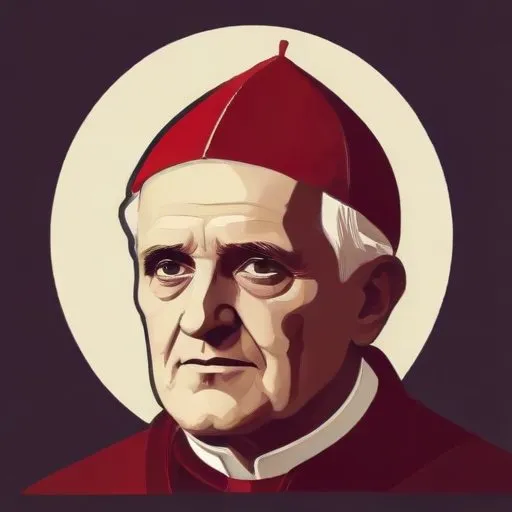
The Unyielding Pope: Gregory XVI, Defender of Faith and Tradition
A Life of Unwavering Conviction
Pope Gregory XVI, born Bartolomeo Alberto Cappellari, is renowned for his stalwart commitment to the Catholic Church and his unrelenting defense of tradition. As the 254th Pope, he led the Church from 1831 to 1846, earning a reputation as a steadfast guardian of orthodoxy and a fervent opponent of modernizing reforms.
Rise to Prominence
Born on September 18, 1765, in Belluno, Republic of Venice, Cappellari hailed from a lower noble family. His intellectual prowess and linguistic skills soon became apparent, leading to his appointment as a teacher of philosophy and theology at the Monastery of San Michele in Murano, near Venice, at the tender age of 22.
Camaldolese Monk and Scholar
As a Camaldolese monk, Cappellari's dedication to his order and his faith deepened. He was ordained a priest in 1787 and quickly rose through the ranks, becoming censor librorum for his Order and the Holy Office at Venice. In 1795, he relocated to Rome, where he published a polemic in 1799, solidifying his reputation as a theological authority.
Ultramontanism and the Papal States
Gregory XVI's papacy was marked by his fervent adherence to ultramontanism, a position that emphasized the authority of the papacy and the importance of the Catholic Church as a beacon of tradition and orthodoxy. He saw democratic and modernizing reforms as threats to the Church's authority and the stability of the Papal States.
Encyclicals and Condemnations
In his encyclical
Mirari vos, Gregory XVI condemned the notion of liberty of conscience, declaring it "false and absurd, or rather mad." He also vehemently opposed the slave trade, which was increasingly suppressed during his pontificate.
Legacy and Impact
As the most recent pope to take the pontifical name Gregory, Gregory XVI's legacy is complex and multifaceted. He encouraged missionary activity abroad, strengthened the papacy's authority, and inspired devotion among the faithful. Though his staunch conservatism and traditionalism earned him criticism, his unwavering commitment to the Church and its teachings remains an enduring testament to his conviction.
Personal Milestones
- Born: September 18, 1765
- Ordained: 1787
- Elected Pope: February 2, 1831
- Died: June 1, 1846
Philosophical Contributions
Gregory XVI's philosophical contributions lie in his unwavering defense of Catholic dogma and his commitment to the authority of the papacy. His emphasis on tradition and orthodoxy continues to shape Catholic thought and inform religious discourse.
Quotes and Memorable Sayings
- "It is an error to believe that liberty of conscience is a natural right."
- "The Church is the pillar and foundation of truth."
Historical Context and Legacy
Gregory XVI's papacy unfolded against the backdrop of European upheaval and revolutionary fervor. His staunch conservatism and traditionalism earned him both praise and criticism, but his lasting impact on the Catholic Church remains undeniable. As a champion of orthodoxy and a defender of faith, Pope Gregory XVI continues to inspire devotion and admiration among the faithful.
FAQ
What were Pope Gregory XVIs major accomplishments?
Pope Gregory XVIs major accomplishments include his efforts to reform the Catholic Church, promoteeducation and missionary work, and strengthen the Churchs stance on social issues. He also played a key role in promoting Catholic-Orthodox unity.
What was Pope Gregory XVIs stance on slavery?
Pope Gregory XVI was a strong opponent of slavery, and he issued several encyclicals condemning the practice. He believed that all human beings were equal in the eyes of God and should be treated with dignity and respect.
What was Pope Gregory XVIs role in Catholic education?
Pope Gregory XVI was a strong supporter of Catholic education, and he established several institutions to promote Catholic learning and scholarship. He believed that education was essential for the development of the Church and society.
What was Pope Gregory XVIs relationship with the Jesuits?
Pope Gregory XVI had a complex relationship with the Jesuits, which was marked by periods of conflict and reconciliation. He ultimately rehabilitated the Jesuit order and recognized its importance in Catholic education and missionary work.
What is Pope Gregory XVIs legacy in the Catholic Church?
Pope Gregory XVIs legacy in the Catholic Church is one of reform and renewal. He played a key role in shaping the Churchs stance on social issues and promoted Catholic education and missionary work.