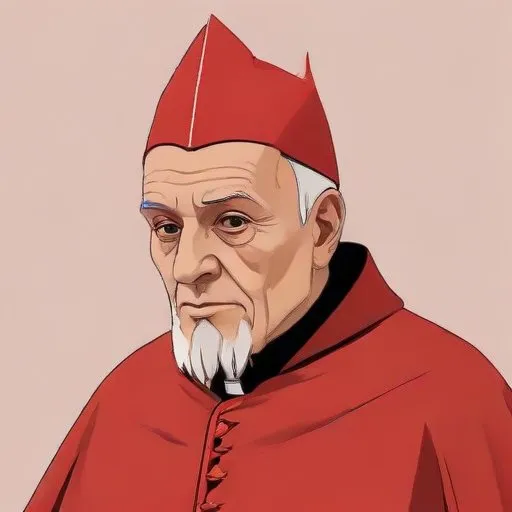
Pter Pzmny: The Hungarian Jesuit Who Shaped the Nation's Literary Language
A Life of Devotion and Scholarship
Pter Pzmny, a Hungarian Jesuit, is renowned for his pivotal role in creating the Hungarian literary language, earning him the esteemed title of "the Hungarian Cicero in the purple." As a philosopher, theologian, cardinal, pulpit orator, and statesman, Pzmny left an indelible mark on the Counter-Reformation in Royal Hungary.
Early Life and Education
Born on October 4, 1570, in Nagyvrad, Principality of Transylvania (now Oradea, Romania), Pzmny was the son of Mikls Pzmny, vice-ispán of Bihar County. His early education took place in Nagyvrad and Kolozsvr (Cluj), where he converted to Roman Catholicism in 1583 under the influence of his stepmother. In 1587, he entered the Society of Jesus, embarking on a journey that would shape his life's work.
Rise to Prominence
Pzmny's academic pursuits took him to the University of Vienna (1589-1592) and the Collegio Romano in Rome (1592-1596), where he studied philosophy and theology under the guidance of St.
Robert Bellarmine, S.J. Ordained to the priesthood in 1596, he became a Doctor of Theology in 1597. His exceptional talents soon earned him recognition, and he was sent to Graz, Austria, to serve on the staff of the Jesuit college and later to lecture in theology at the University of Graz.
A Life of Service and Conversion
In 1601, Pzmny was dispatched to the Jesuit establishment at Sellye (now Šaľa, Slovakia), where his eloquence and dialectical skills won over hundreds of converts to Catholicism, including prominent noble families. Notable among these were Count Mikls Esterházy and Pl Rákóczi.
Legacy and Impact
Pzmny's most enduring legacy is the creation of the Hungarian literary language, which has had a profound impact on Hungarian culture and identity. In recognition of his contributions, a street in Vienna was named after him in 1867 – the Pazmanitengasse.
Personal Milestones and Key Life Events
- 1570: Born on October 4th in Nagyvrad, Principality of Transylvania
- 1583: Converted to Roman Catholicism
- 1587: Entered the Society of Jesus
- 1592-1596: Studied philosophy and theology at the Collegio Romano in Rome
- 1596: Ordained to the priesthood
- 1597: Became a Doctor of Theology
- 1601: Sent to the Jesuit establishment at Sellye, Slovakia
- 1637: Passed away on March 19th
Philosophical Contributions and Beliefs
Pzmny's work was deeply rooted in his commitment to the Counter-Reformation and the ideals of the Catholic Church. His philosophical contributions centered on the promotion of Catholicism and the development of a Hungarian literary language that would foster national unity and cultural identity.
Influence on Modern Society
Pzmny's legacy extends far beyond his own time, shaping the cultural and linguistic heritage of Hungary. His creation of the Hungarian literary language continues to influence Hungarian literature, education, and national identity to this day.
FAQ
What was Péter Pázmánys role in the Catholic Reformation?
Péter Pázmány was a key figure in the Catholic Reformation in Hungary and played a significant role in the Counter-Reformation movement. He was a cardinal, philosopher, and writer who worked to promote Catholicism in Eastern Europe.
What were Péter Pázmánys contributions to Hungarian literature?
Péter Pázmány made significant contributions to Hungarian literature, including the publication of several books on philosophy, theology, and linguistics. He is considered one of the founders of Hungarian literary language.
What was Péter Pázmánys relationship like with the Habsburgs?
Péter Pázmány had a close relationship with the Habsburgs, who ruled over Hungary at the time. He was a strong supporter of the Habsburgs and worked to promote their interests in Eastern Europe.
How did Péter Pázmány die?
Péter Pázmány died on March 19, 1637, in Pozsony, Hungary (now Bratislava, Slovakia).
What was Péter Pázmánys legacy in Hungarian history?
Péter Pázmánys legacy in Hungarian history lies in his contributions to the Catholic Reformation, Hungarian literature, and his role as a leading figure in the Counter-Reformation movement.