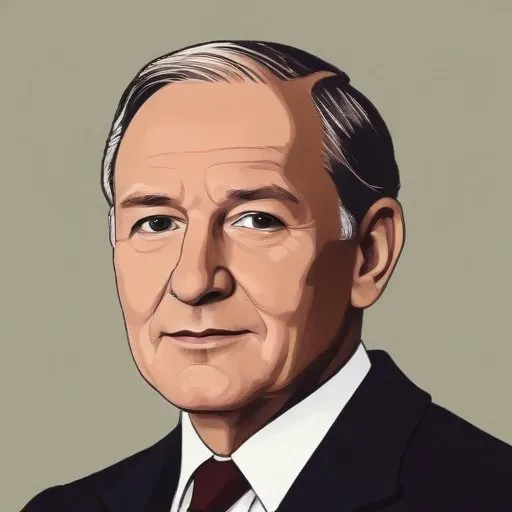
R. B. Bennett: The Canadian Statesman and Philanthropist
A Leader in Turbulent Times
R. B. Bennett, the 11th Prime Minister of Canada, is remembered for his unwavering commitment to the country during the Great Depression, and his pioneering efforts to revitalize the nation's economy. As a lawyer, businessman, and politician, Bennett's illustrious career spanned over five decades, leaving an indelible mark on Canadian history.
A Rise to Prominence
Born on July 3, 1870, in Hopewell Hill, New Brunswick, Bennett grew up in nearby Hopewell Cape. He pursued his passion for law at Dalhousie University, graduating in 1893. His subsequent move to Calgary in 1897 marked the beginning of his remarkable journey, as he established a law firm with James Lougheed and began accumulating wealth through shrewd investments and leadership roles in various organizations.
A Life of Public Service
Bennett's foray into politics began in 1898, when he was elected to the Legislative Assembly of the Northwest Territories. He later served in the Alberta Legislature from 1909 to 1911, resigning to contest a seat in the House of Commons. Although he declined to run for re-election in 1917, Bennett briefly served as Minister of Justice under
Arthur Meighen in 1921. His return to the Commons in 1925 was followed by a stint as Minister of Finance in Meighen's second government in 1926.
Leadership and Legacy
Bennett's ascension to the leadership of the Conservative Party in 1927 paved the way for his eventual premiership. After the 1930 election, he became the Prime Minister of Canada, tasked with navigating the treacherous waters of the Great Depression. Initially, his government adopted laissez-faire policies, but these proved ineffective in addressing the crisis. Bennett then shifted gears, emulating the New Deal policies of
Franklin D. Roosevelt in the United States, in an effort to revitalize the economy.
A Life of Philanthropy
Bennett's commitment to philanthropy was evident in his numerous charitable endeavors. He was a devoted supporter of education, donating generously to various institutions, including the University of New Brunswick and Dalhousie University. His philanthropic efforts also extended to the arts, with significant contributions to the Calgary Symphony Orchestra and the Glenbow Museum.
Personal Milestones and Accolades
- Knighted in 1914 for his services to the Empire
- Elevated to the peerage as Viscount Bennett in 1941
- Honorary degrees from several universities, including Harvard and McGill
Legacy and Impact
R. B. Bennett's legacy is a testament to his unwavering dedication to Canada and its people. Despite the challenges posed by the Great Depression, he persevered, introducing policies that laid the groundwork for future economic growth. His contributions to education, the arts, and philanthropy continue to inspire generations. As a statesman, leader, and philanthropist, Bennett's indelible mark on Canadian history will forever be cherished.
FAQ
What is R. B. Bennetts role in Canadian politics?
R. B. Bennett was the 11th Prime Minister of Canada, serving from 1930 to 1935. He was a prominent figure in Canadian politics and played a key role in shaping the countrys response to the Great Depression.
What is R. B. Bennetts most notable achievement as Prime Minister?
R. B. Bennetts most notable achievement as Prime Minister was the establishment of the Canadian Wheat Board, which helped to stabilize the countrys agricultural sector during the Great Depression.
How did R. B. Bennetts policies address the Great Depression?
R. B. Bennetts policies aimed to address the Great Depression by increasing government spending, implementing protectionist trade policies, and establishing programs to support Canadian industry and agriculture.
What is R. B. Bennetts legacy in Canadian history?
R. B. Bennetts legacy in Canadian history is that of a leader who navigated the country through a time of great economic uncertainty. His policies helped to stabilize the Canadian economy and paved the way for future economic growth.
What was R. B. Bennetts involvement in the Canadian Bar Association?
R. B. Bennett was a prominent member of the Canadian Bar Association and served as its president from 1929 to 1930. He was a respected lawyer and advocate who played a key role in shaping Canadian law and policy.