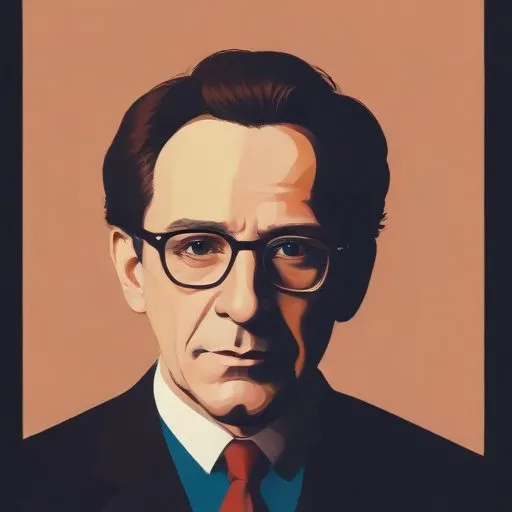
Richard Neustadt: The Pioneering Presidential Scholar
Richard Neustadt is renowned for his groundbreaking work in understanding the intricacies of the United States presidency, earning him the title of one of the most influential presidential scholars of the 20th century. His magnum opus, "Presidential Power," is widely regarded as a seminal work in the field of presidential studies, offering unparalleled insights into the decision-making process at the highest levels of government.
Early Life and Education
Born on June 26, 1919, in Philadelphia, Pennsylvania, Neustadt was the son of Elizabeth Neufeld and Richard Mitchells Neustadt, a progressive activist and social worker. He hailed from a family of Jewish immigrants from Central Europe. Neustadt's academic pursuits took him to the University of California, Berkeley, where he earned a BA in History in 1939, followed by an M.A. degree from Harvard University in 1941.
A Career in Public Service
Neustadt's professional journey began as an economist in the Office of Price Administration, followed by a stint in the US Navy during World War II. After the war, he joined the Bureau of the Budget, where he worked on his Ph.D. at Harvard, which he completed in 1951. His expertise in public administration led to his appointment as special assistant in the White House Office from 1950 to 1953 under President
Harry S. Truman.
Academic Pursuits and Literary Contributions
Neustadt's academic career spanned several prestigious institutions, including Cornell University and Columbia University, where he taught government and penned some of his most influential works. His most notable book, "Presidential Power" (1960), was followed by a revised edition, "Presidential Power and the Modern Presidents: The Politics of Leadership" (1990). This seminal work explored the complexities of presidential decision-making, arguing that the President's power is often weaker than perceived. Neustadt's other notable works include "Alliance Politics," "Preparing to be President," and "The Swine Flu Affair: Decision-Making on a Slippery Disease" (co-authored with Harvey V. Fineberg).
Awards and Honors
Neustadt's contributions to the field of presidential studies were recognized with several awards, including the
Woodrow Wilson Foundation Award in 1961. His book "Thinking in Time: The Uses of History for Decision-Makers" won the prestigious Grawemeyer Award.
Influence on Modern Society
Neustadt's work has had a profound impact on our understanding of presidential leadership and decision-making. His ideas have influenced generations of scholars, policymakers, and politicians, shaping the way we think about the presidency and its role in American politics.
Controversies and Public Perception
Despite his significant contributions, Neustadt's work was not without controversy. Some critics argued that his work overemphasized the limitations of presidential power, while others saw his ideas as too theoretical. However, his intellectual honesty and commitment to rigorous scholarship earned him widespread respect and admiration.
Legacy
Richard Neustadt's legacy extends far beyond his published works. He inspired a generation of scholars to explore the intricacies of presidential politics, and his ideas continue to influence policy debates and academic discourse. His commitment to understanding the presidency has left an indelible mark on American politics, ensuring that his work remains relevant and vital to this day.
Memorable Quotes
- "The President's power is the sum of his ability to persuade, to negotiate, and to inspire."
- "The most effective presidents are those who understand the limits of their power and use it wisely."
Trivia and Fun Facts
- Neustadt was a passionate advocate for the importance of history in informing policy decisions.
- He was known for his dry wit and humor, often infusing his academic lectures with entertaining anecdotes.
FAQ
What was Richard Neustadts most famous book?
Richard Neustadts most famous book is Presidential Power and the Modern Presidents, which explores the presidency and political power in the United States.
What was Richard Neustadts role in the Kennedy administration?
Richard Neustadt served as a special assistant to President John F. Kennedy, advising on issues related to presidential power and decision-making.
What was Richard Neustadts approach to political science?
Richard Neustadts approach to political science focused on the importance of presidential leadership, institutions, and decision-making in shaping policy outcomes.
How did Richard Neustadts work influence political science?
Richard Neustadts work had a significant impact on the field of political science, shaping the study of the presidency, policy-making, and institutional politics.
What awards did Richard Neustadt receive?
Richard Neustadt received several awards for his contributions to political science, including the Woodrow Wilson Foundation Award and the American Political Science Associations Charles Merriam Award.