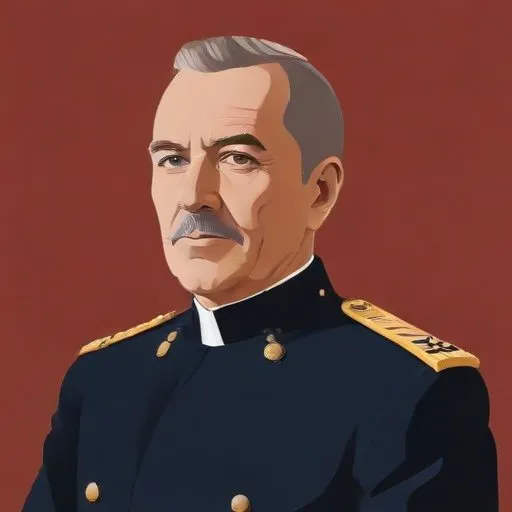
Richard S. Ewell

Richard S. Ewell

Richard S. Ewell was born on February 8th, 1817

Full Name: Richard Stoddert Ewell
Place of Birth: Washington, D.C.
Occupation: General, Engineer
Nationality: American
Notable Battles: American Civil War, Gettysburg
Rank: Lieutenant General
Education: United States Military Academy
Nickname: Old Bald Head

A Confederate general during the American Civil War, known for his tactical skills and bravery, particularly at the Battle of Gettysburg.

Written by: Jack Thompson Jack Thompson

Richard S. Ewell: The Controversial Confederate General

Richard S. Ewell is remembered as a prominent Confederate general during the American Civil War, known for his bravery and strategic prowess on the battlefield. He fought alongside legendary commanders Stonewall Jackson and Robert E. Lee, earning a reputation as a skilled and effective military leader.

Early Life and Career

Born on February 8, 1817, in Georgetown, Washington D.C., Ewell was raised in Prince William County, Virginia. He graduated from the United States Military Academy in 1840, 13th in his class of 43 cadets. Nicknamed "Old Bald Head" or "Baldy" by his friends, Ewell was commissioned as a second lieutenant in the 1st U.S. Dragoons.

Pre-Civil War Exploits

During the Mexican-American War, Ewell distinguished himself under General Winfield Scott, earning recognition and promotion to captain for his bravery at the Battle of Contreras and the Battle of Churubusco. He later served in the New Mexico Territory, exploring the Gadsden Purchase with Colonel Benjamin Bonneville. In 1859, Ewell was wounded in a skirmish with Apaches under Cochise.

Confederate Service

In 1860, illness forced Ewell to return to Virginia, where he joined the Confederate States Army. He quickly rose through the ranks, becoming a brigadier general in 1861. Ewell fought in several key battles, including the First Battle of Bull Run, the Shenandoah Valley Campaign, and the Seven Days Battles.

Controversy and Criticism

Personal Life and Legacy

Ewell married Lizinka Campbell Brown in 1863, and the couple had one daughter, Lizinka Campbell Ewell. After the war, Ewell returned to Virginia, where he died on January 25, 1872. Despite controversy, Ewell remains an important figure in American military history, remembered for his bravery, strategic prowess, and dedication to the Confederate cause.

Quotes and Memorable Sayings

  • "I am very ill with vertigo, nausea, etc., and now am excessively debilitated..." - Ewell, writing about his health issues in 1860.

Historical Context and Legacy

Ewell's military career spanned multiple conflicts, from the Mexican-American War to the American Civil War. His experiences and decisions continue to be studied by historians and military strategists. While controversy surrounds his legacy, Ewell remains an important figure in American military history.

Visual Timeline and Milestones

  • February 8, 1817: Richard S. Ewell born in Georgetown, Washington D.C.
  • 1840: Graduates from the United States Military Academy
  • 1843-1845: Serves with Philip St. George Cooke and Stephen Watts Kearny on escort duty along the Santa Fe and Oregon Trails
  • 1860: Returns to Virginia due to illness
  • 1861: Joins the Confederate States Army
  • 1863: Marries Lizinka Campbell Brown
  • January 25, 1872: Richard S. Ewell dies in Spring Hill, Virginia
Timeline
1817
Born in Washington, D.C.
Richard Stoddert Ewell was born in Washington, D.C., to a prominent American family.
1839
Graduated from West Point
Ewell graduated from the United States Military Academy at West Point, New York.
1861
Joined Confederate Army
Ewell resigned from the United States Army to join the Confederate States Army during the American Civil War.
1864
Wounded at the Battle of Fishers Hill
Ewell was wounded at the Battle of Fishers Hill, and his leg was amputated.
1872
Died in Spring Hill
Richard Stoddert Ewell passed away in Spring Hill, Tennessee, at the age of 55.
Richard S. Ewell

Richard S. Ewell Quiz

What was Richard S. Ewell's role during the American Civil War?

Score: 0/5
FAQ
What was Richard S. Ewells role in the American Civil War?
Richard S. Ewell was a prominent Confederate general during the American Civil War, serving under Robert E. Lee and Stonewall Jackson. He played a key role in several important battles, including the Battle of Bull Run and the Battle of Gettysburg.
What were Richard S. Ewells strengths as a military commander?
Richard S. Ewell was known for his tactical genius and his ability to adapt to changing circumstances on the battlefield. He was also a skilled horseman and was often praised by his superiors for his bravery and leadership skills.
How did Richard S. Ewells military career affect his personal life?
Richard S. Ewells military career took a toll on his personal life, particularly after he was wounded at the Battle of Groveton. He suffered from chronic pain and was eventually forced to retire from active duty due to his injuries.
What is Richard S. Ewells legacy in American military history?
Richard S. Ewells legacy in American military history is that of a skilled and courageous commander who played a significant role in several important battles. Despite some criticized decisions, he is remembered as one of the most talented generals of the Confederacy.
How did Richard S. Ewells military experiences shape his views on slavery and the Confederacy?
Richard S. Ewells military experiences during the Civil War did not seem to significantly change his views on slavery and the Confederacy. He remained a steadfast supporter of the Confederate cause, even after the war, and did not publicly speak out against slavery.

Related People:

Robert E. Lee

Born in 1807

Led the Confederate States Army during the American Civil War, surrendering to Union forces at Appomattox, marking the war's effective end.

Stonewall Jackson

Born in 1824

A Confederate general during the American Civil War, he's renowned for his unconventional tactics and bravery, earning him a legendary status among military historians.

James Longstreet

Born in 1821

A Confederate general during the American Civil War, later serving as a diplomat and ambassador to Turkey, known for his military strategies and post-war reconciliation efforts.

A. P. Hill

Born in 1825

A Confederate general during the American Civil War, known for his bravery and tactical skills, leading troops in several key battles, including the Battle of Chancellorsville.

John Bell Hood

Born in 1831

A Confederate general during the American Civil War, known for his bravery and aggressive tactics, but also criticized for his reckless decisions that led to devastating defeats.

Braxton Bragg

Born in 1817

A Confederate general during the American Civil War, he's infamous for his tactical blunders and defeats, ultimately losing the war for the South.

Ulysses S. Grant

Born in 1822

Led the Union Army to victory in the Civil War and later became President, known for issuing the Emancipation Proclamation and strengthening federal authority.