


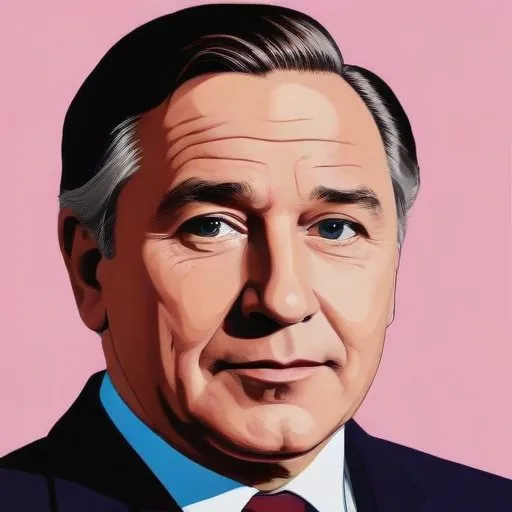
First Prime Minister of Newfoundland, leading the country to self-government and later confederation with Canada. He played a crucial role in shaping the country's early history.
Sir Robert Bond is renowned as the last Premier of Newfoundland Colony from 1900 to 1907 and the first Prime Minister of the Dominion of Newfoundland from 1907 to 1909. This transformative leader played a pivotal role in shaping the future of Newfoundland, leading the transition from a British colony to a dominion status.
Born on February 25, 1857, in St. John's, Newfoundland, Robert Bond was the son of merchant John Bond. After his father's death in 1872, Bond inherited a considerable amount of wealth and pursued his education in England. He later returned to Newfoundland and articled under Sir William Whiteway, laying the foundation for his future political career.
Bond's political journey began in 1882 when he contested the House of Assembly seat in Trinity Bay. He soon became the Speaker of the House of Assembly before the Whiteway government was defeated in 1885. Bond's subsequent electoral victories in Fortune Bay, Trinity Bay, and Twillingate cemented his position as a prominent political figure in Newfoundland.
During his tenure, Bond held various portfolios, including Colonial Secretary, and made concerted efforts to negotiate free trade with the United States. Although his attempts were unsuccessful due to Canadian objections, he persevered, demonstrating his commitment to the economic development of Newfoundland.
In 1900, Bond became the Premier of Newfoundland, a position he held until 1907. During this period, he attended the Coronation of King Edward VII and Queen Alexandra, as well as the conference of Colonial Premiers in London. His leadership marked a significant shift in Newfoundland's history, as the colony transitioned to a dominion status in 1907.
Bond's legacy extends beyond his political achievements. He was a strong advocate for the welfare of Newfoundlanders, particularly the fishing community. His commitment to their interests and concerns is still remembered and revered today.
Bond's political philosophy was centered around the idea of Newfoundland's autonomy and self-governance. He firmly believed in the importance of protecting the island's natural resources and promoting its economic growth through strategic international relationships.
Sir Robert Bond's legacy continues to shape the identity and politics of Newfoundland and Labrador. His vision for a self-governing dominion has inspired generations of leaders, contributing to the province's unique cultural and economic heritage.
Today, Bond is remembered as a pioneering figure in Newfoundland's history, celebrated for his unwavering dedication to the people and his unwavering commitment to the island's development.
Born in 1815
The first Prime Minister of Canada, a key figure in the country's formation and development, known for shaping its early years and creating a unified nation.
Born in 1841
The 7th Prime Minister of Canada, a champion of national unity and French-English relations, who navigated the country through significant industrial and economic growth. He's also known for his role in shaping Canada's autonomy from Britain.
Born in 1874
The tenth Prime Minister of Canada, serving for a record 22 years, is most known for leading the country through significant periods of economic and social change, including the Great Depression and World War II.
Born in 1882
The 12th Prime Minister of Canada, a strong leader who played a crucial role in shaping the country's post-war economy and foreign policy, and is credited with establishing universal hospital insurance and old-age pensions.
Born in 1895
The 13th Prime Minister of Canada, a champion of individual rights and freedoms, introduced the Canadian Bill of Rights, a precursor to the Charter of Rights and Freedoms. He's also known for his anti-apartheid stance and leadership during the Suez Crisis.
Born in 1897
A Canadian leader who served as Prime Minister and won the Nobel Peace Prize for resolving the Suez Canal Crisis, known for his diplomatic efforts and peacekeeping initiatives.
Born in 1919
The charismatic leader who championed Canadian unity and implemented progressive policies, known for his iconic style and influential legacy in shaping modern Canada.
92 Years Old
The 20th Prime Minister of Canada, serving from 1993 to 2003, known for his leadership during the Quebec sovereignty movement and his role in shaping Canada's national unity. He implemented policies like the Clarity Act and the National Child Benefit.
