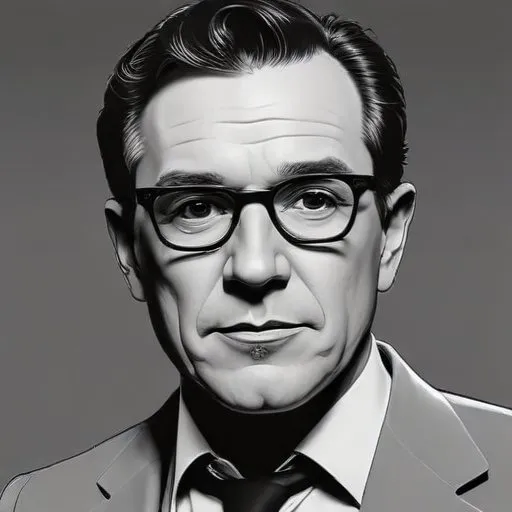
The Pioneering Vision of Robert Drew: Father of Direct Cinema
A Legacy of Gripping Storytelling
Robert Drew, a trailblazing American documentary filmmaker, is renowned for revolutionizing the medium with his innovative approach to non-fiction storytelling. He is widely regarded as the father of direct cinema, a genre that seeks to capture reality without script or narration, instead relying on the unfolding drama to speak for itself.
Early Life and Inspirations
Born on February 15, 1924, in Toledo, Ohio, Drew grew up in Fort Thomas, Kentucky, with a fascination for flight. His father, a film salesman and pilot, instilled in him a sense of adventure that would shape his future endeavors. During World War II, Drew joined the U.S. Army Air Corps as a cadet, where he flew combat missions in Italy and survived being shot down behind enemy lines.
From Combat Pilot to Journalist
After the war, Drew's chance encounter with
Ernie Pyle, a celebrated war correspondent, sparked his interest in storytelling. He began writing for Life magazine, eventually becoming a writer and editor. A Nieman Fellowship at Harvard University further solidified his passion for journalism. However, it was his disdain for traditional documentaries – which he deemed dull and unengaging – that drove him to create a new paradigm for the medium.
The Birth of Direct Cinema
In 1955, Drew established a unit within Time Inc. dedicated to crafting documentaries that utilized "picture logic" rather than "word logic." This pioneering approach sought to capture the raw, unscripted essence of life, without the crutch of narration or scripted narrative. His groundbreaking work would go on to influence generations of documentarians.
Notable Works and Accolades
- Primary (1960) – A groundbreaking film that followed the 1960 Wisconsin Democratic presidential primary, capturing the candid interactions between candidates John F. Kennedy and Hubert Humphrey.
- Crisis: Behind a Presidential Commitment (1963) – A tense, behind-the-scenes portrayal of the Kennedy administration's handling of the University of Alabama desegregation crisis.
- Both films were added to the National Film Registry of the Library of Congress, solidifying Drew's legacy as a cinematic innovator.
- The International Documentary Association honored him with a Career Achievement Award, recognizing his trailblazing contributions to the medium.
Preserving the Legacy
The Academy Film Archive has meticulously preserved many of Drew's films, including
Faces of November,
Herself Indira Gandhi, and
Bravo, Kathy's Dance. These timeless classics continue to inspire new generations of filmmakers and documentarians.
A Lasting Impact on Modern Storytelling
Robert Drew's innovative approach to documentary filmmaking has left an indelible mark on the medium. His pioneering spirit and commitment to capturing the unvarnished truth have influenced a wide range of genres, from reality TV to immersive journalism. As a testament to his lasting impact, Drew's work remains a powerful reminder of the transformative power of storytelling.
FAQ
What was Robert Drews contribution to documentary filmmaking?
Robert Drew revolutionized documentary filmmaking by introducing the direct cinema style, which emphasized observational, unobtrusive, and unscripted storytelling.
What films did Robert Drew direct?
Robert Drew directed several influential documentaries, including Primary (1960), Crisis: Behind a Presidential Commitment (1963), and The Chair (1963), which captured pivotal moments in American history.
How did Robert Drews work impact journalism?
Robert Drews documentaries raised the bar for journalistic storytelling, inspiring a new generation of filmmakers and journalists to adopt more immersive and nuanced approaches to reporting.
What awards did Robert Drew receive for his work?
Robert Drew received numerous awards, including an Emmy, a Peabody, and a DuPont-Columbia Award, recognizing his innovative storytelling and contributions to documentary filmmaking.
What was Robert Drews relationship with ABC News?
Robert Drew had a long association with ABC News, where he worked as a producer and director, creating influential documentaries that pushed the boundaries of journalistic storytelling.