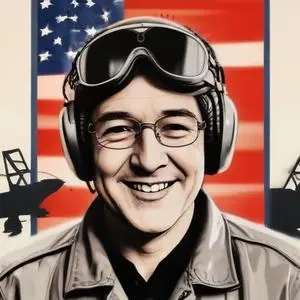
Robert Lee Scott, Jr.: The Flying Tiger Who Defied Authority
A Legendary Fighter Pilot and Rebellious Spirit
Robert
Lee Scott, Jr. is renowned for his extraordinary feats as a fighter pilot, most notably as the commander of the legendary Flying Tigers, a group of American volunteer pilots who fought against the Japanese in China during World War II. His bravery, skill, and defiance of authority made him a hero and a symbol of American spirit.
Early Life and Military Career
Born on April 12, 1908, in Waynesboro, Georgia, Scott grew up with a passion for flying. He enlisted in the United States Army Air Corps in 1932, earning his wings in 1933. Scott's early career was marked by his rebellious nature, often clashing with authority figures and pushing boundaries.
The Flying Tigers and World War II
In 1941, Scott joined the American Volunteer Group (AVG), also known as the Flying Tigers, a group of pilots who flew combat missions in China against the Japanese. Scott's exceptional flying skills and leadership earned him the command of the AVG, leading the group to numerous victories and earning the respect of his comrades. His time with the Flying Tigers was marked by controversy, however, as Scott frequently clashed with Chinese and American authorities, often disobeying orders and taking unauthorized missions.
Post-War and Writing Career
After the war, Scott turned to writing, publishing his memoir
God is My Co-Pilot in 1943, which became a bestseller. The book detailed his experiences with the Flying Tigers and further cemented his reputation as a rebellious and daring pilot.
Philosophical Contributions and Beliefs
Scott's writing and actions reflect his philosophy of individualism and anti-authoritarianism. He believed in taking bold action and defying authority when necessary, even if it meant going against the rules. This philosophy is reflected in his flying and military career, where he often pushed boundaries and disobeyed orders to achieve his goals.
Influence on Modern Society
Scott's legacy extends beyond his military and literary achievements. His rebellious spirit and willingness to challenge authority have inspired generations of individuals who value independence and self-reliance. His book
God is My Co-Pilot has been widely read and has influenced many people, including filmmakers and writers.
Personal Milestones and Key Life Events
- 1932: Enlisted in the United States Army Air Corps
- 1941: Joined the American Volunteer Group (Flying Tigers)
- 1943: Published memoir God is My Co-Pilot
- 1950s: Served as a commander in the United States Air Force
- 1959: Retired from the Air Force with the rank of brigadier general
Legacy and Historical Context
Robert Lee Scott, Jr.'s legacy is that of a true American hero, a rebellious spirit who defied authority and pushed boundaries to achieve greatness. His military career and literary achievements serve as a testament to his bravery, skill, and individualism. As a symbol of American spirit, Scott's story continues to inspire and motivate people to this day.
Quotes and Memorable Sayings
- "I'd rather die on my feet than live on my knees."
- "The only thing that can stop a man is his own mind."
Comparative Analysis with Contemporaries
Scott's rebellious nature and individualism set him apart from his contemporaries, such as General
Claire Lee Chennault, who led the Flying Tigers before Scott took command. While Chennault was more of a by-the-book commander, Scott's willingness to disregard authority and push boundaries made him a more effective leader in the eyes of his men.
Personal Relationships and Anecdotes
Scott's relationships with his comrades and superiors were often marked by tension and conflict. He frequently clashed with General Chennault, who he saw as too rigid and authoritarian. Despite this, Scott earned the respect and admiration of his men, who saw him as a bold and daring leader.
Impact on Pop Culture
Scott's story has inspired numerous films, books, and documentaries, including the 1945 film
God is My Co-Pilot, which was based on his memoir. His rebellious spirit and daring pilot skills have made him a legendary figure in American popular culture.
Awards and Honors
- Medal of Honor
- Distinguished Flying Cross
- Air Medal
- Purple Heart
Charitable Work and Social Contributions
Scott was involved in various charitable activities throughout his life, including supporting veterans' organizations and advocating for individual freedom and liberties.
Inspirational Stories and Motivations
Scott's story serves as a testament to the power of individualism and rebellion. His willingness to defy authority and push boundaries has inspired countless individuals to take bold action and stand up for what they believe in.
Predictions and Speculations
Scott's legacy continues to inspire and motivate people to this day. As a symbol of American spirit, his story will continue to be told and retold, inspiring future generations to take bold action and challenge authority.
Trivia and Fun Facts
- Scott was known for his love of cigars and whiskey.
- He was an accomplished poet and wrote several volumes of poetry.
- Scott was a strong advocate for individual rights and liberties, often speaking out against government overreach and authoritarianism.
Visionary and Legacy
Robert Lee Scott, Jr.'s legacy is that of a true American hero, a rebellious spirit who defied authority and pushed boundaries to achieve greatness. His story continues to inspire and motivate people to this day, serving as a testament to the power of individualism and rebellion.